
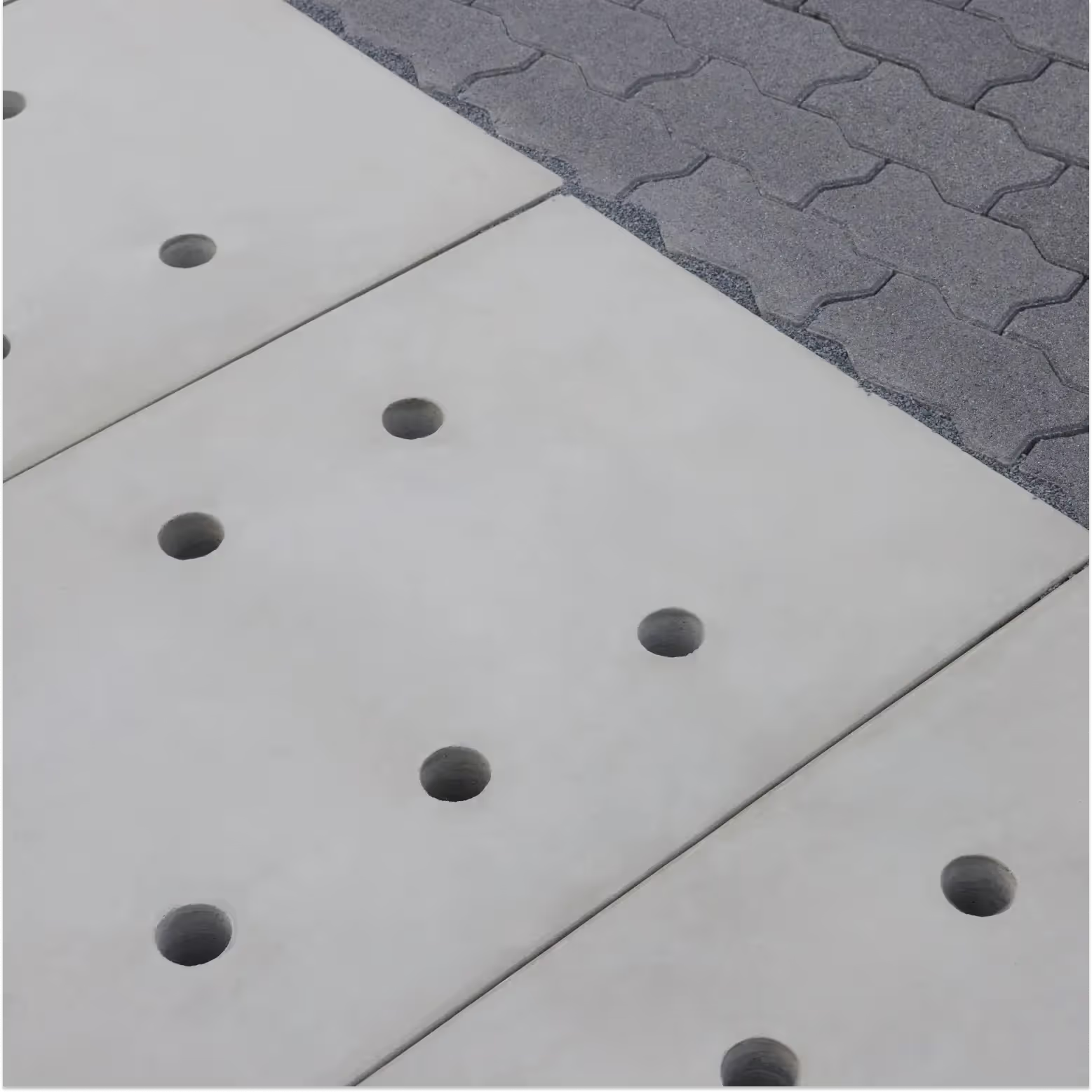
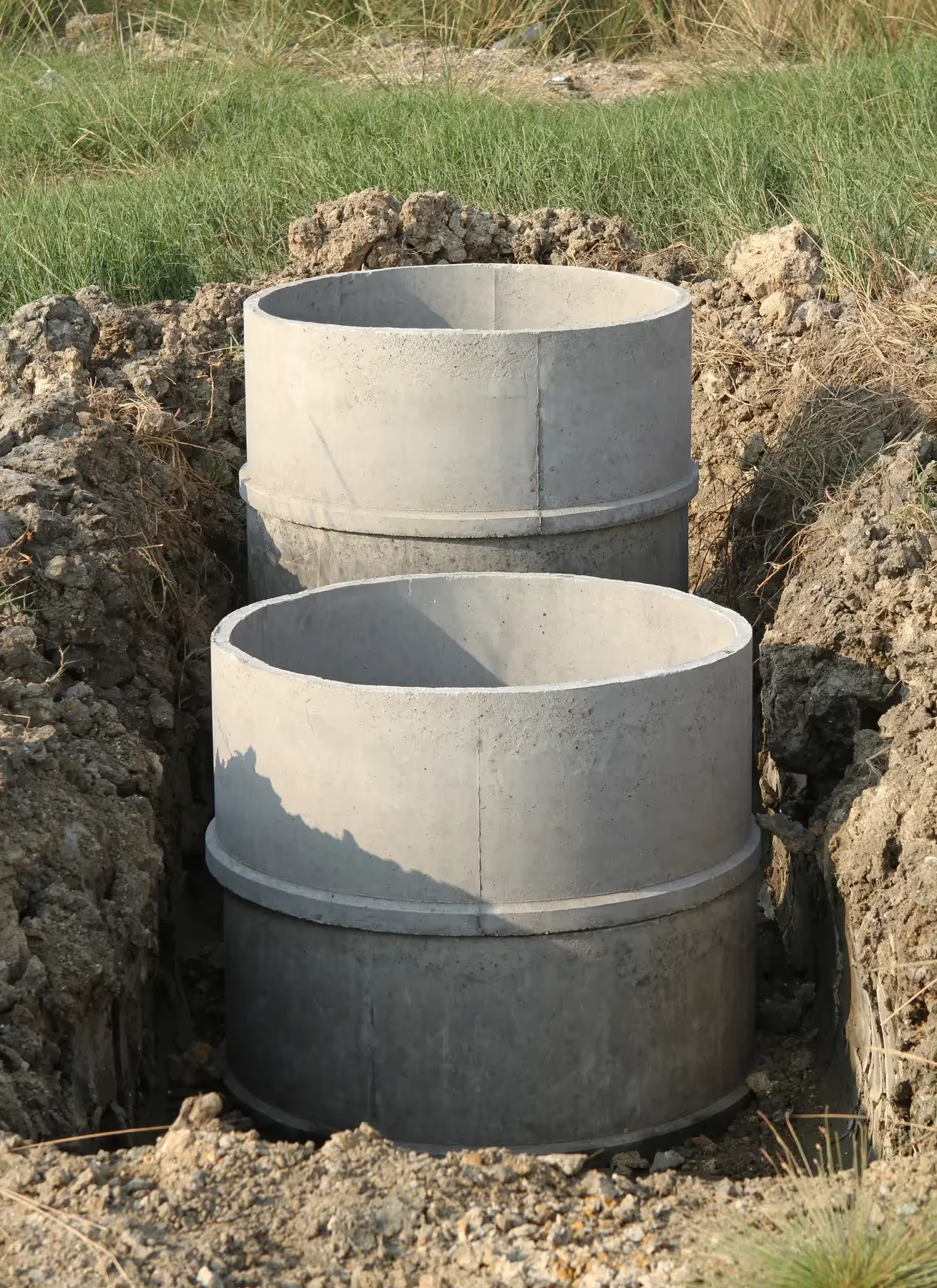
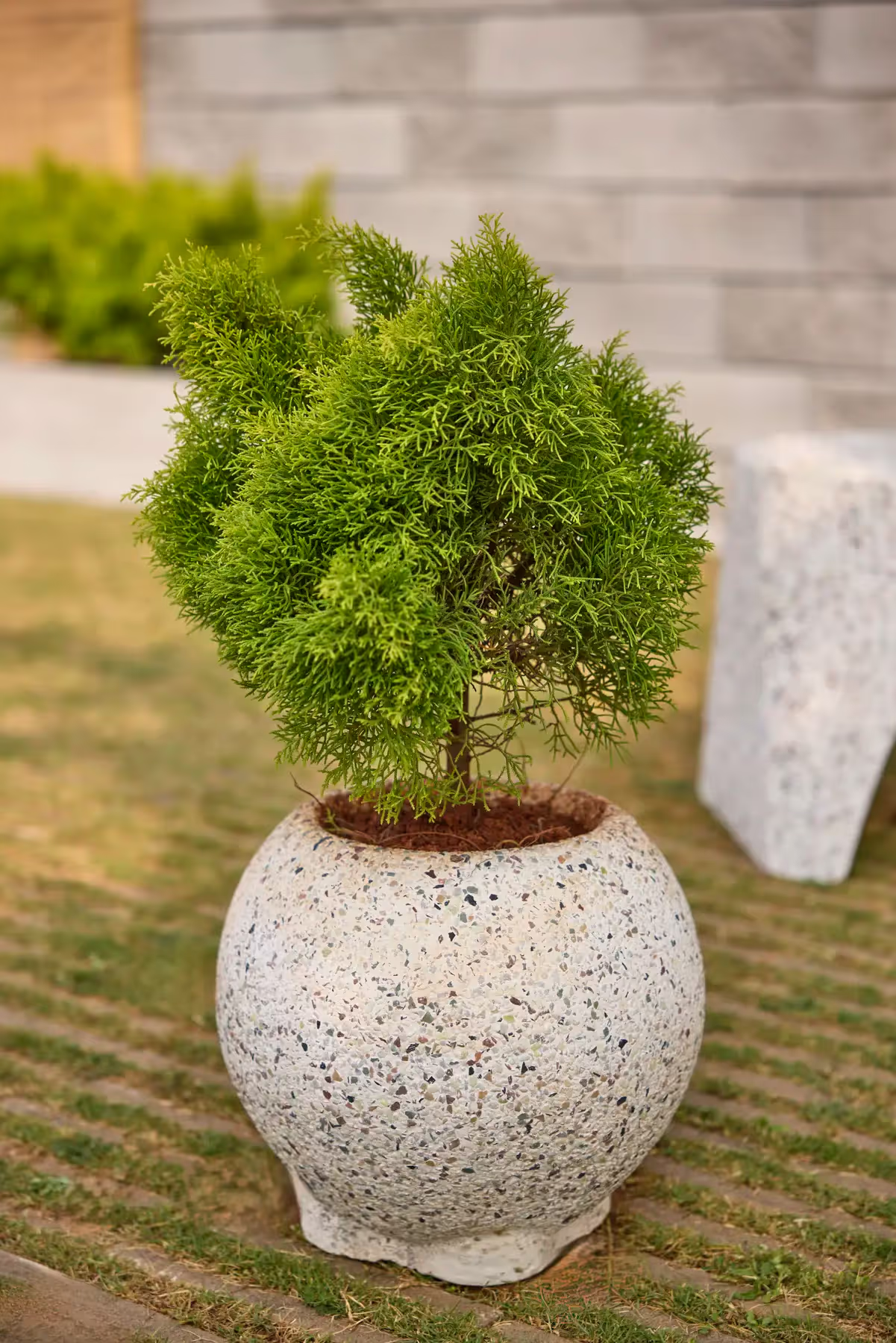
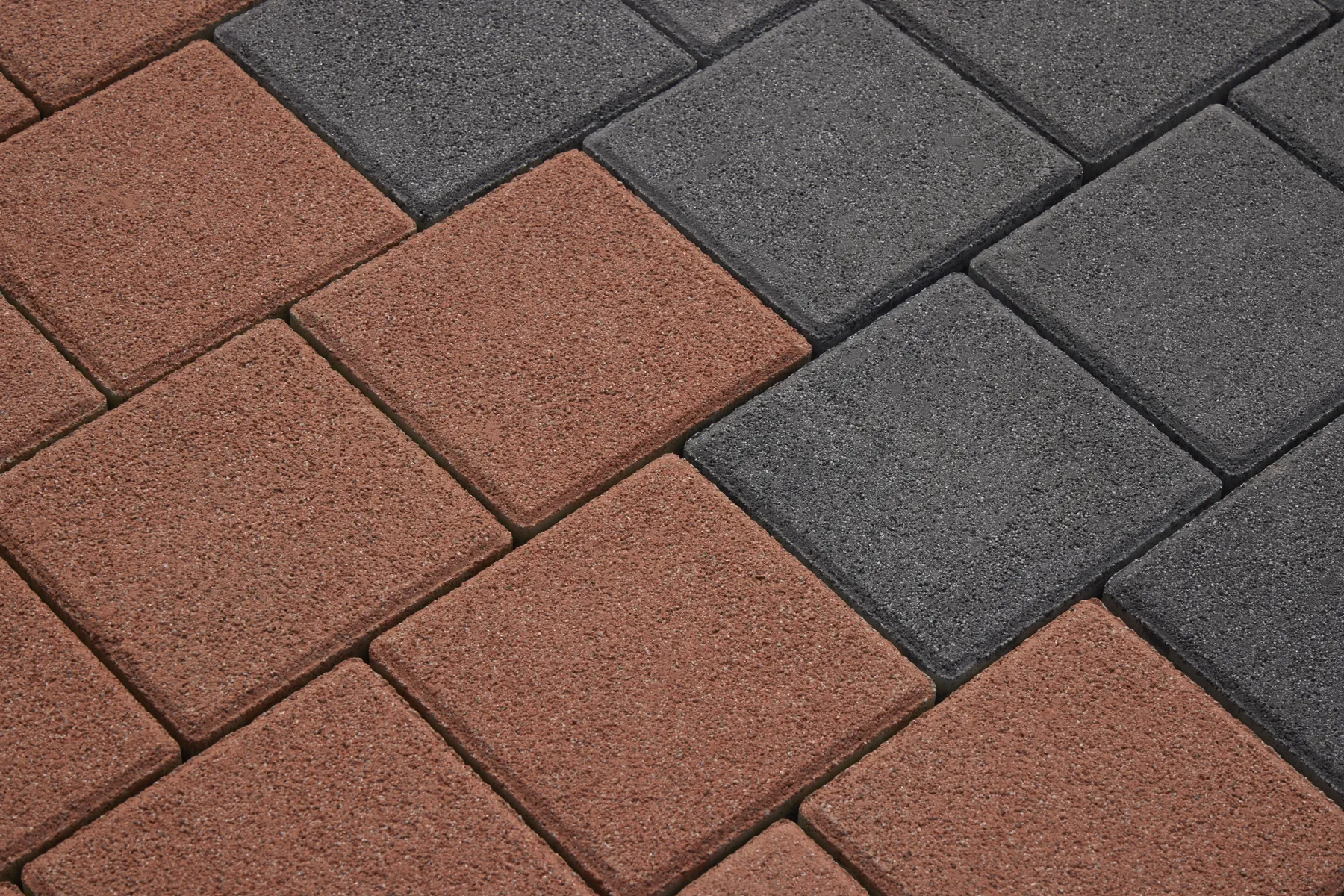
As interior and exterior spaces merge, architects are reimagining where concrete hardscaping products can be used. While our premium concrete pavers and tiles have been tried and tested on driveways, poolsides, gardens and patios, we’re excited to see how they’re now being utilised in areas inside buildings.
1. Facades and interior walls
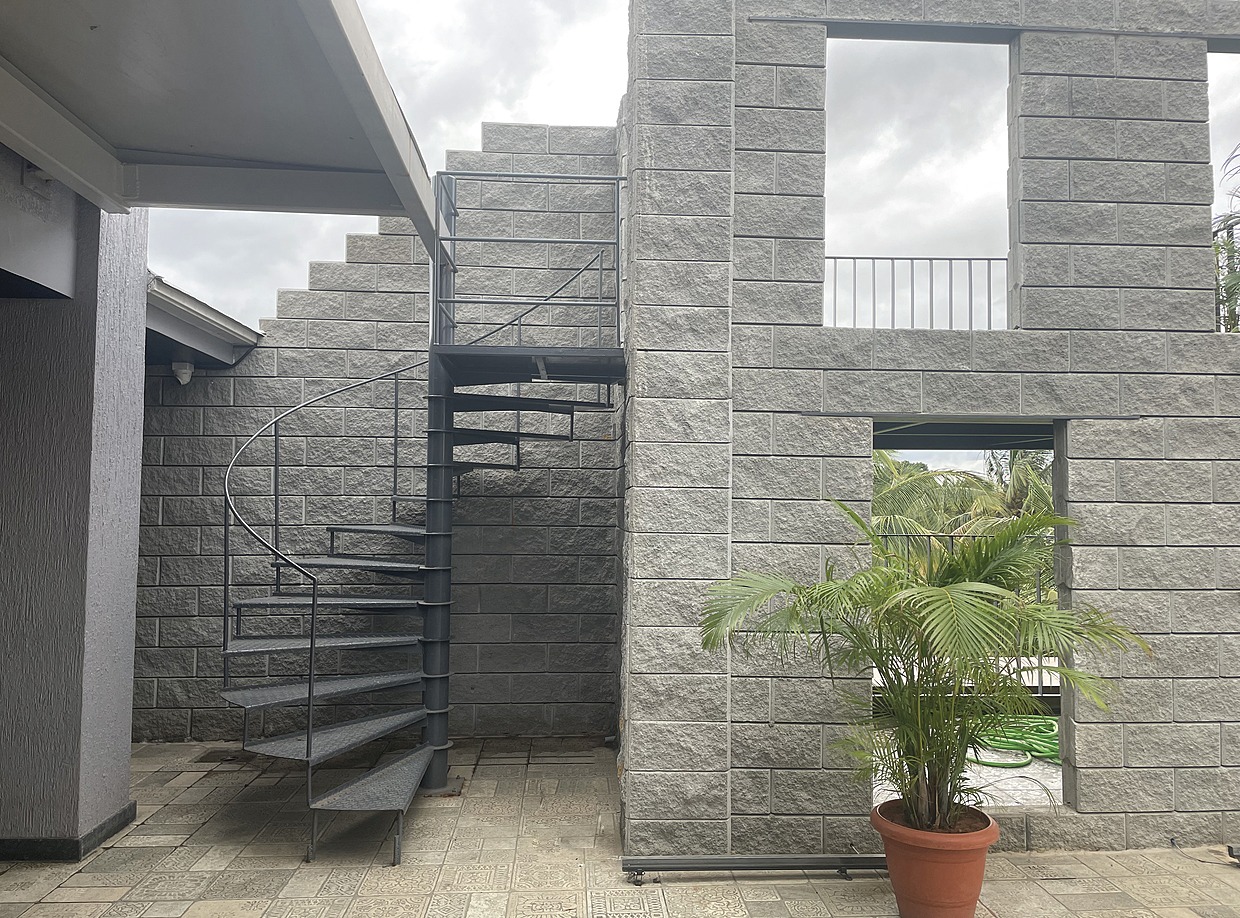
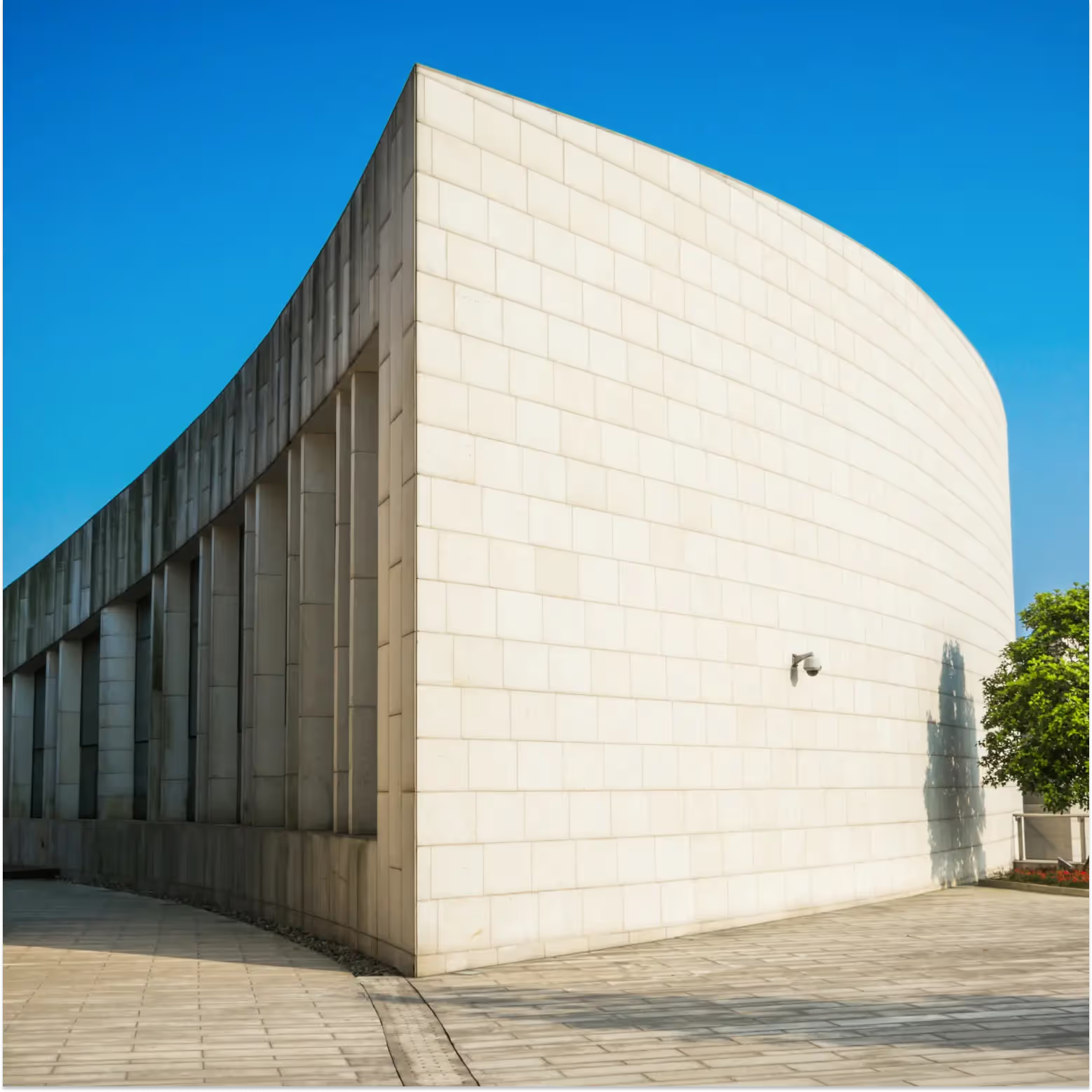
Thanks to the exposed concrete trend, architects aren’t just bringing concrete hardscaping products indoors, but also leaving them unfinished and unpainted to achieve a raw look and natural texture. While engineered concrete blocks are well-suited to these designs, architects have started exploring the applications of Allan Block’s fence systems as well.
The mortarless concrete blocks are easy to build with and have a natural, split-stone finish on one side while the reverse is striated. They also help with sound-proofing, ensuring more privacy in residential constructions and commercial establishments.
2. Rooftops and terraces
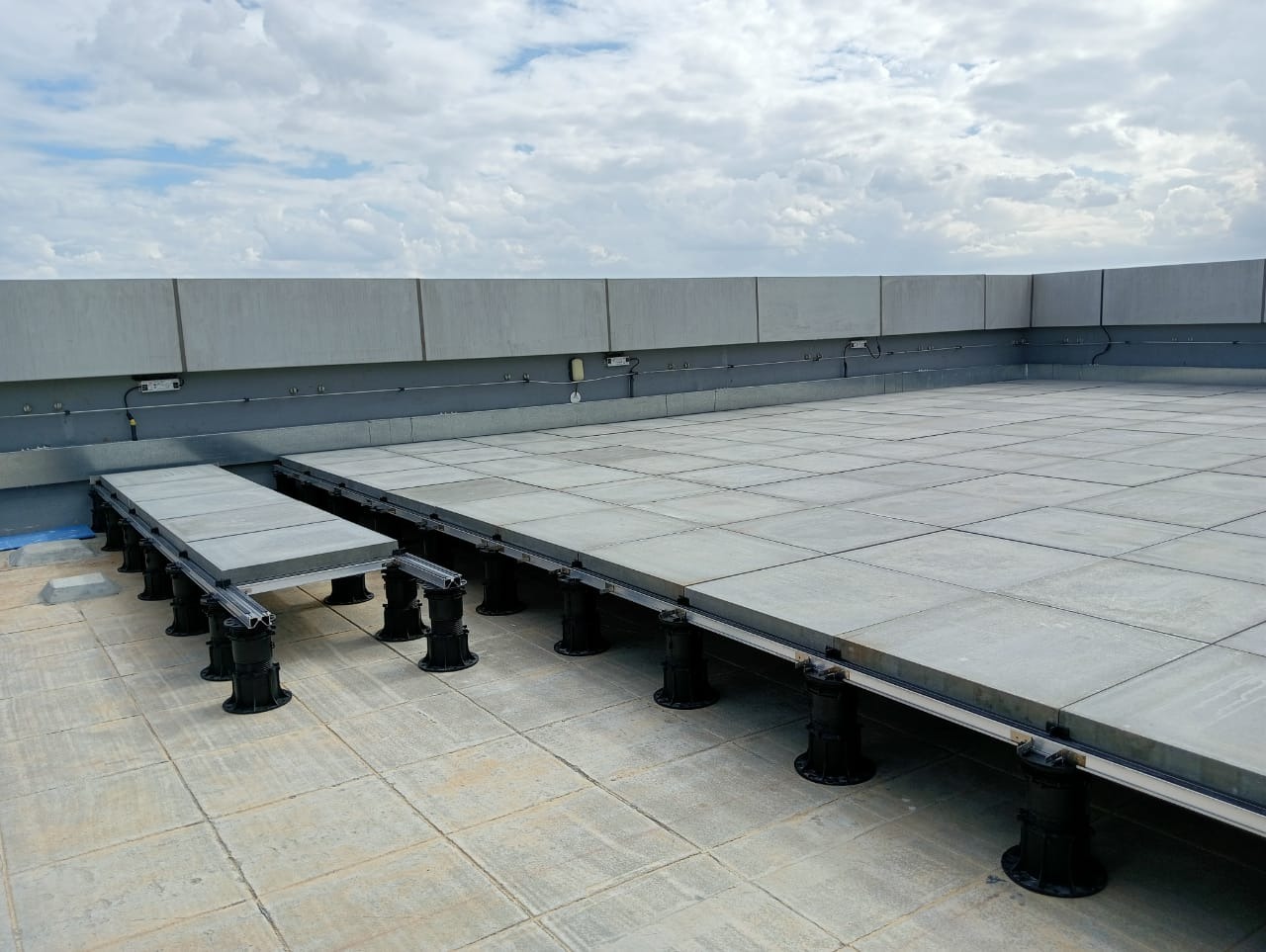
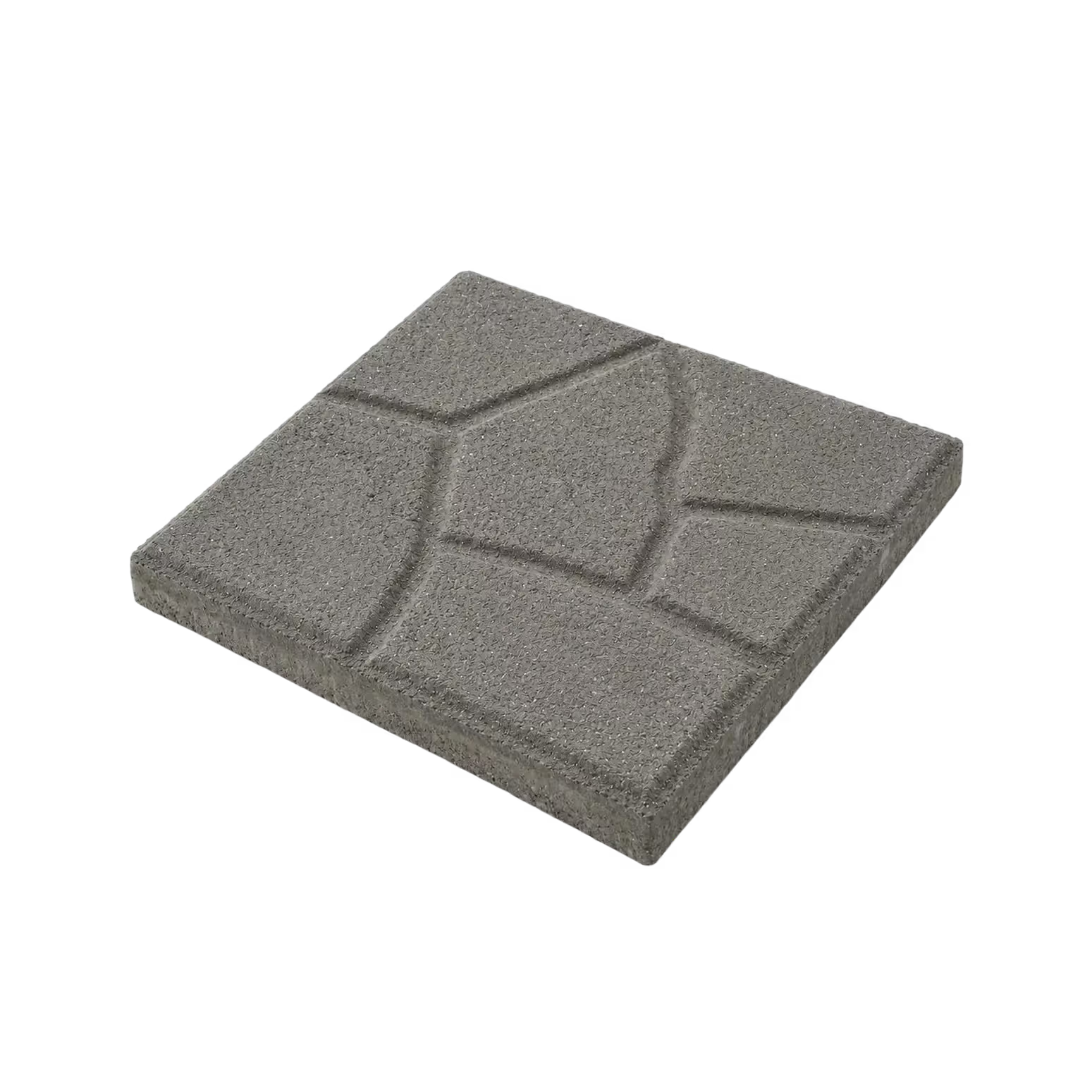
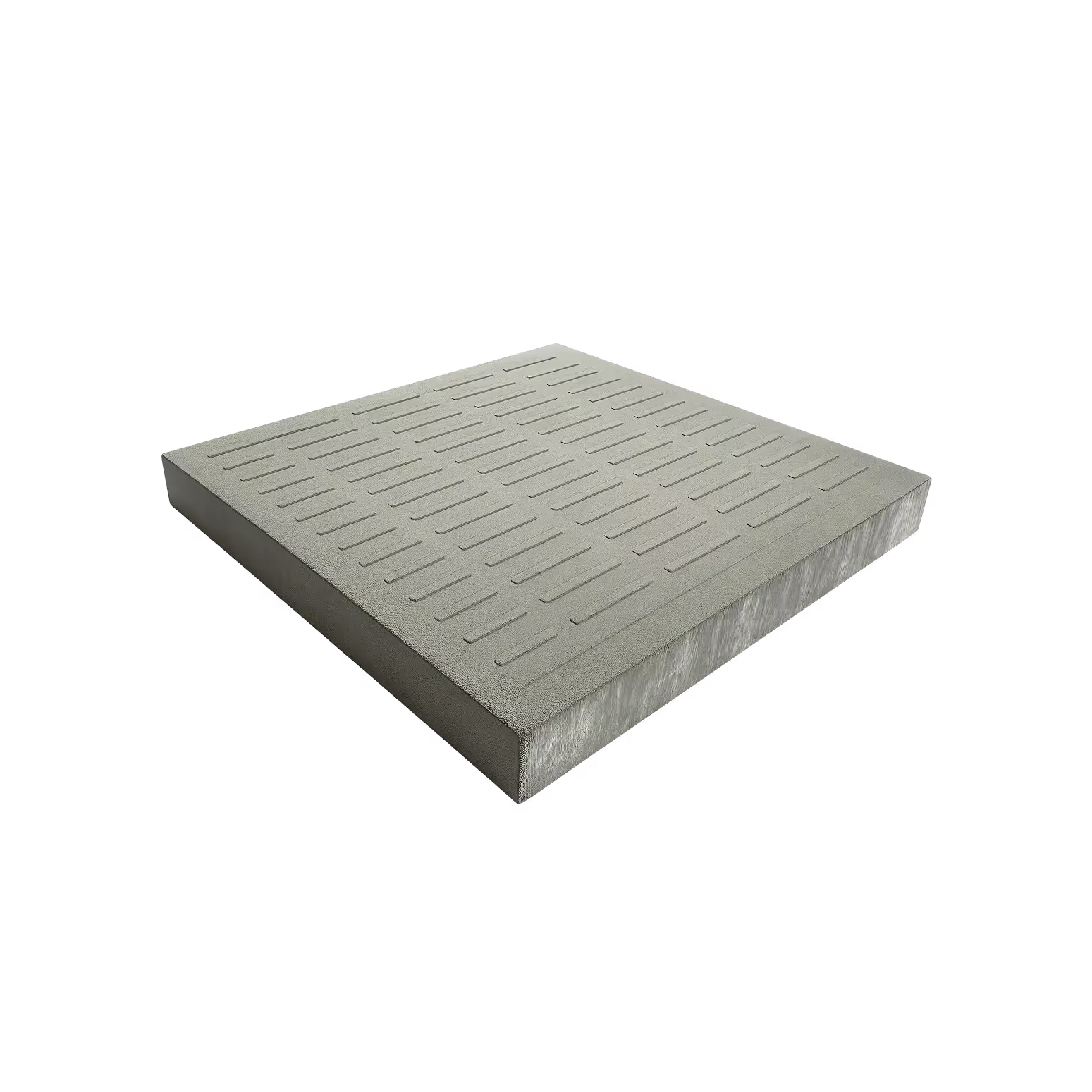
As urban spaces grow more cramped, homeowners and businesses are converting rooftops into lounge spaces and gardens. Concrete hardscaping products are now being used on flat roofs to improve usability. We recommend flags of 50mm thickness, such as the Pimple-finish flag, for rooftops.
Additionally, consider finishes that are weather-resistant; the colours shouldn’t fade under harsh sunlight and heavy monsoons shouldn’t make surfaces slippery. Shot-blasted or textured paving tiles and flags in neutral tones work well for multipurpose terraces.
3. BBQs and kitchen counters
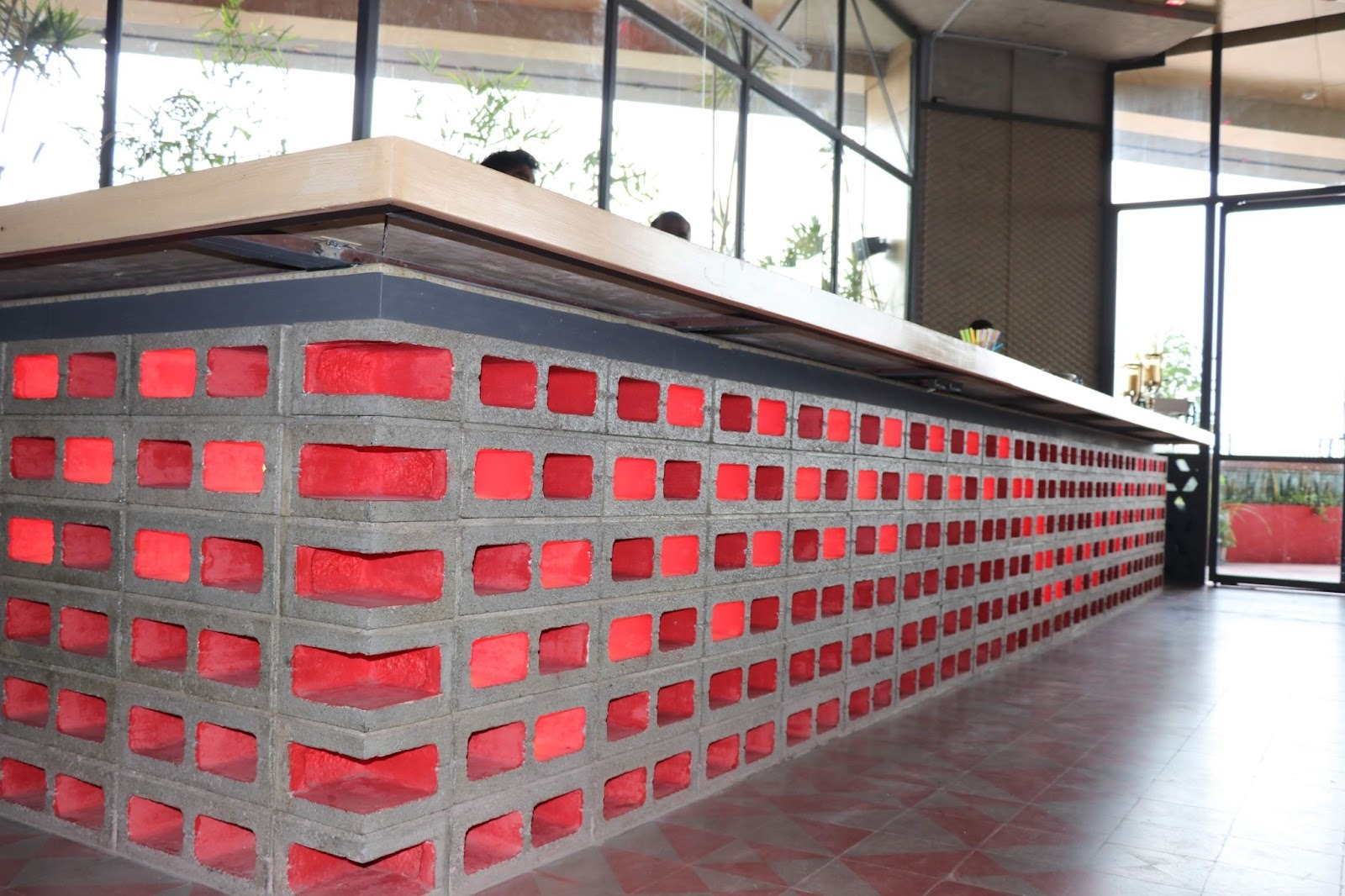
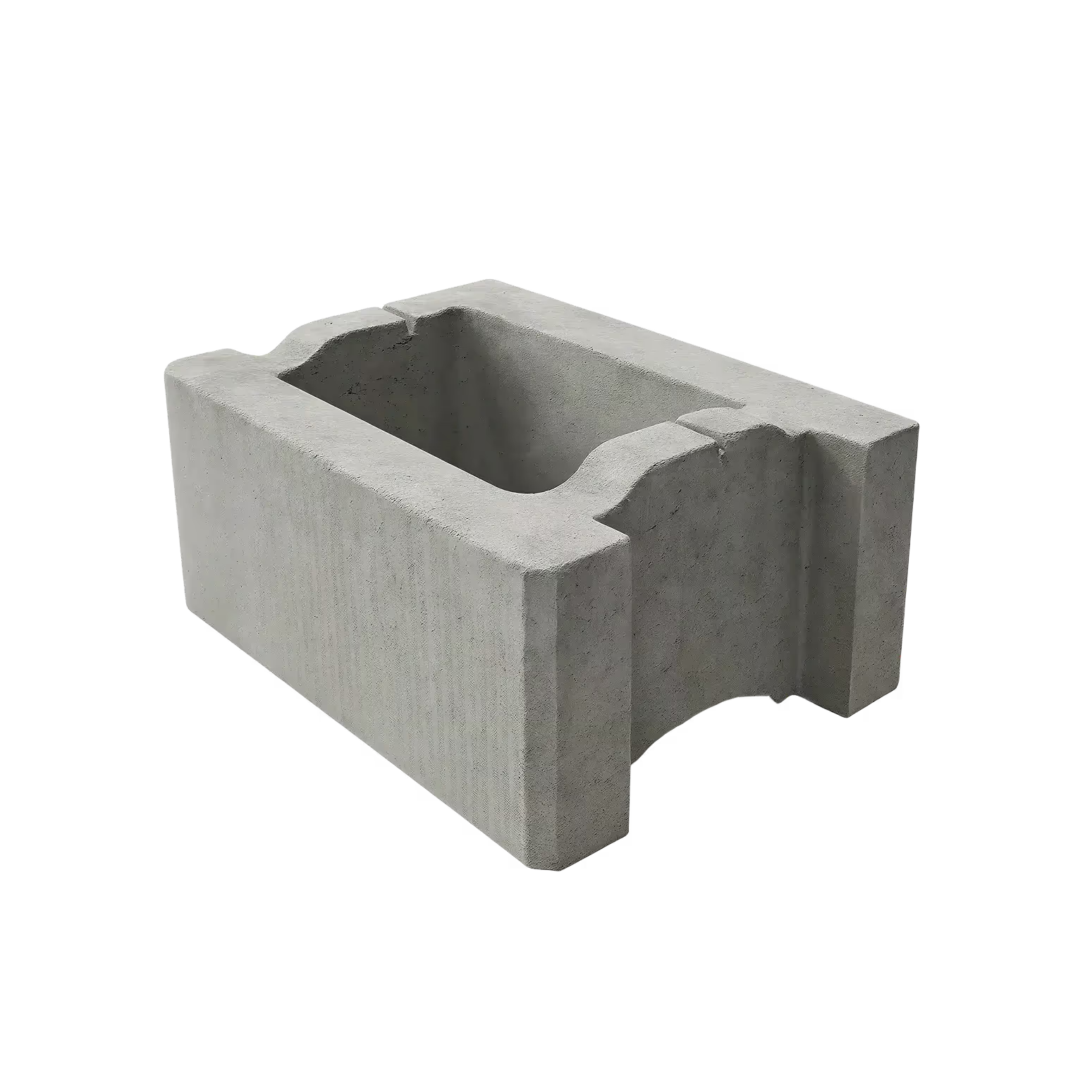
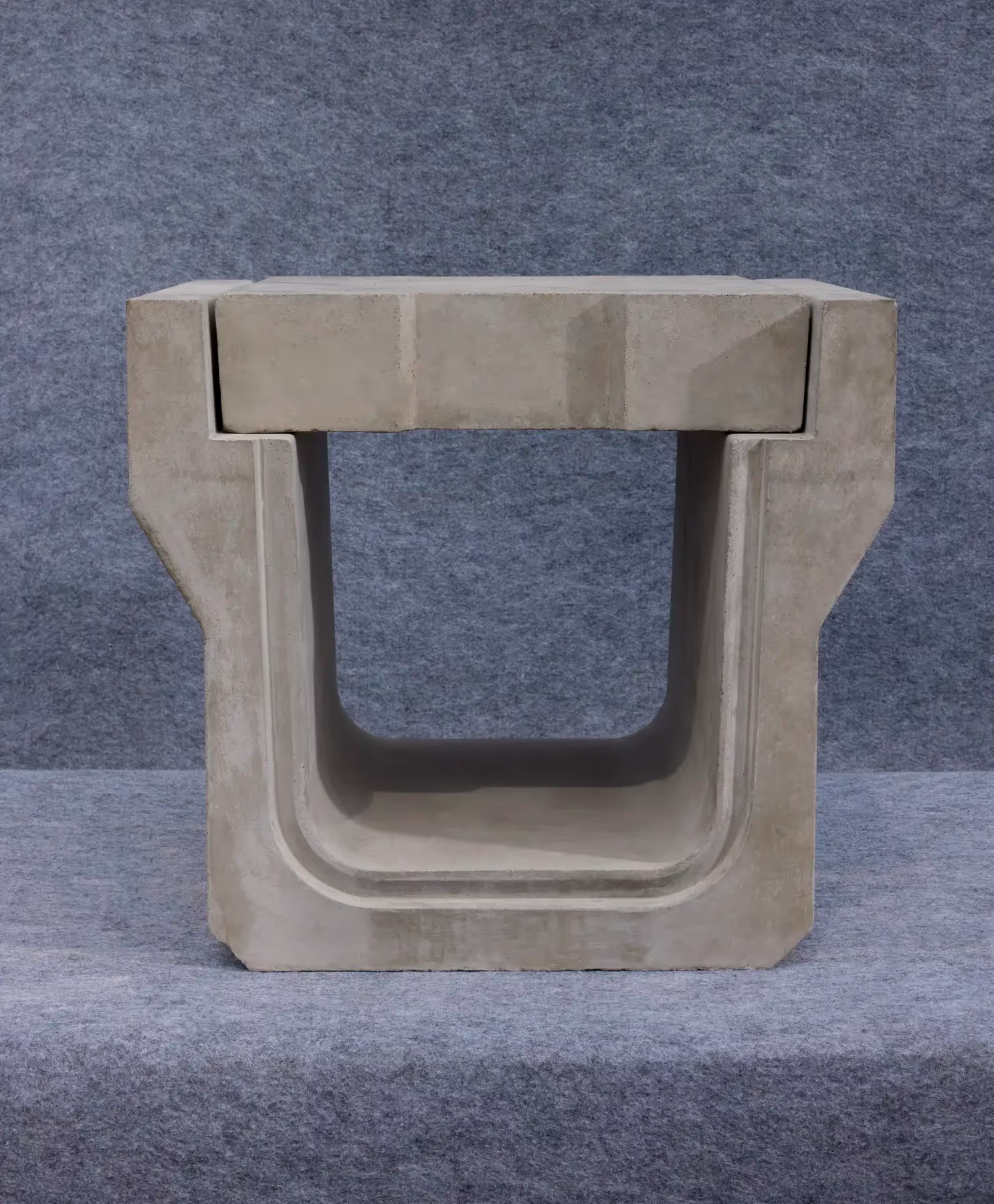
Heat-resistant and easy to maintain, concrete blocks are ideal for BBQ pits and kitchen or bar counters. Hollow concrete blocks (seen in the above image) also make the structures more visually interesting. Opt for darker shades to conceal food and smoke stains.
Allan Block’s mortarless masonry units let you build these structures quickly and with minimal use of additional materials. Their modular design makes it easy to add grills, create seating and extend prep areas into a setup that’s cohesive and modern.
4. Bathroom floors
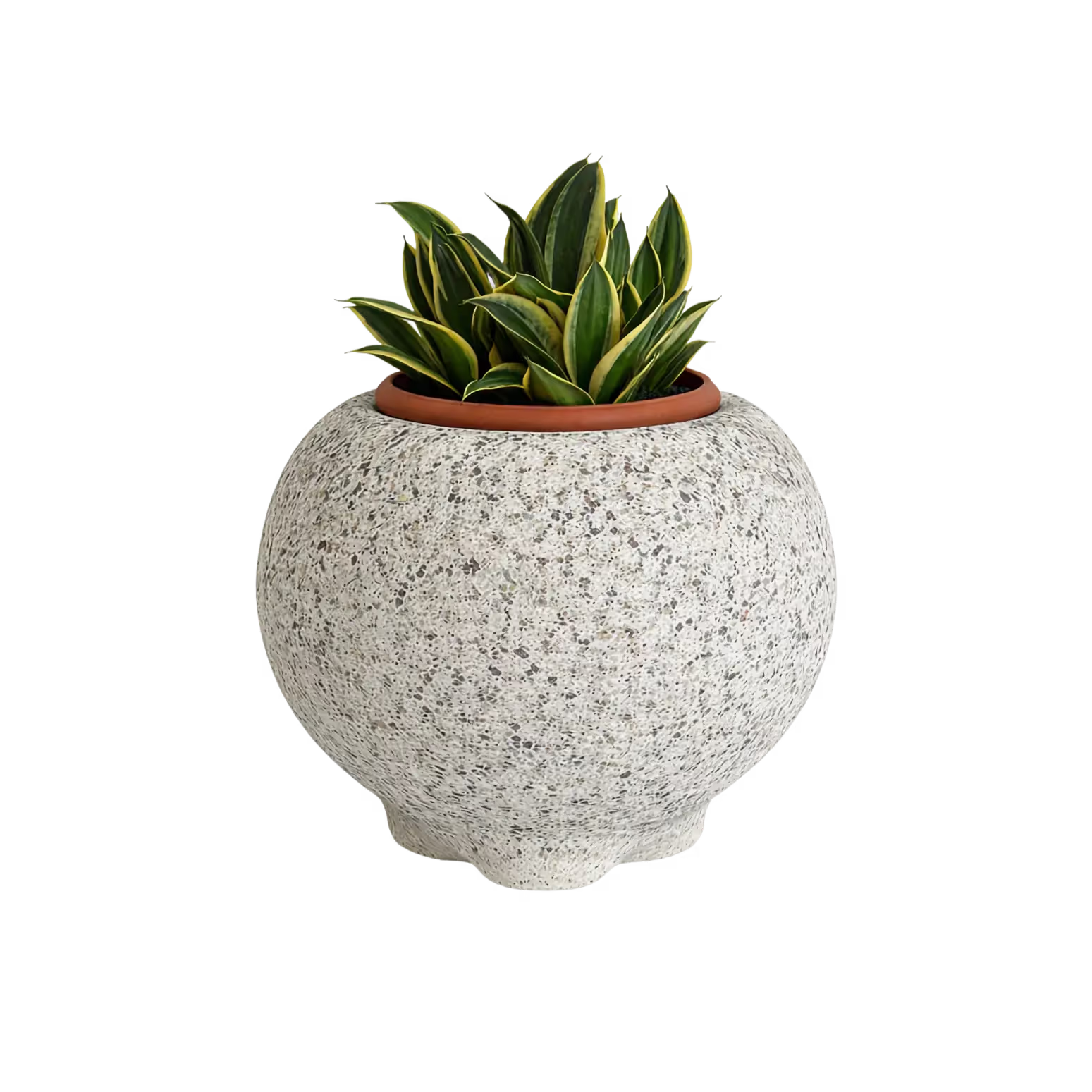
Typically used around swimming pools, our Waschbeton paving tiles were recently incorporated into the flooring of a bathroom. It was a perfect fit, because the Waschbeton paving tile is a modern take on mosaic flooring and subtly infuses an array of colours into a room. The pebbled texture improves grip and is ideal for damp surfaces. Even for shower cubicles, textured concrete paving tiles are a stylish and practical choice.
5. Lattices and panels
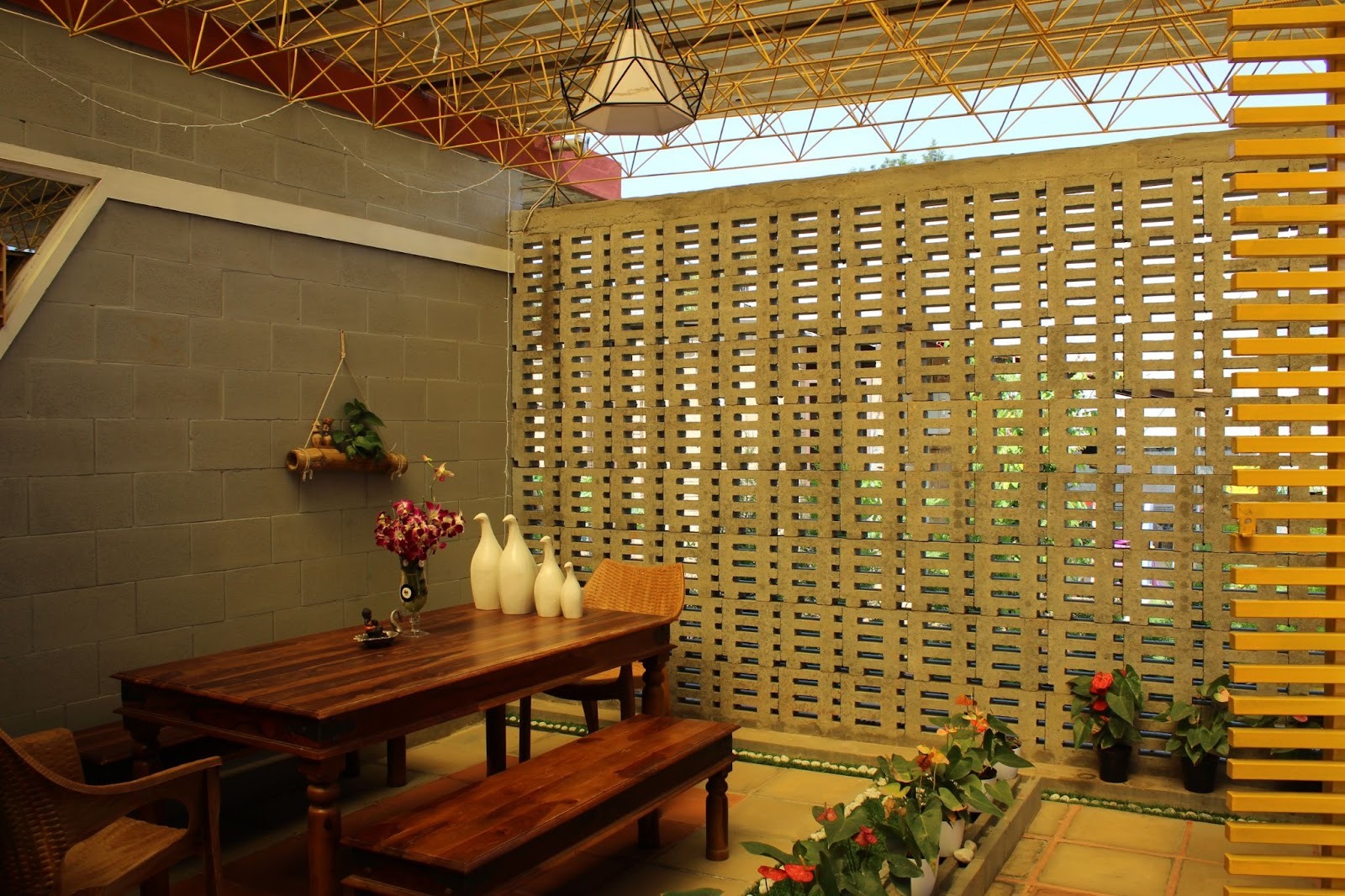
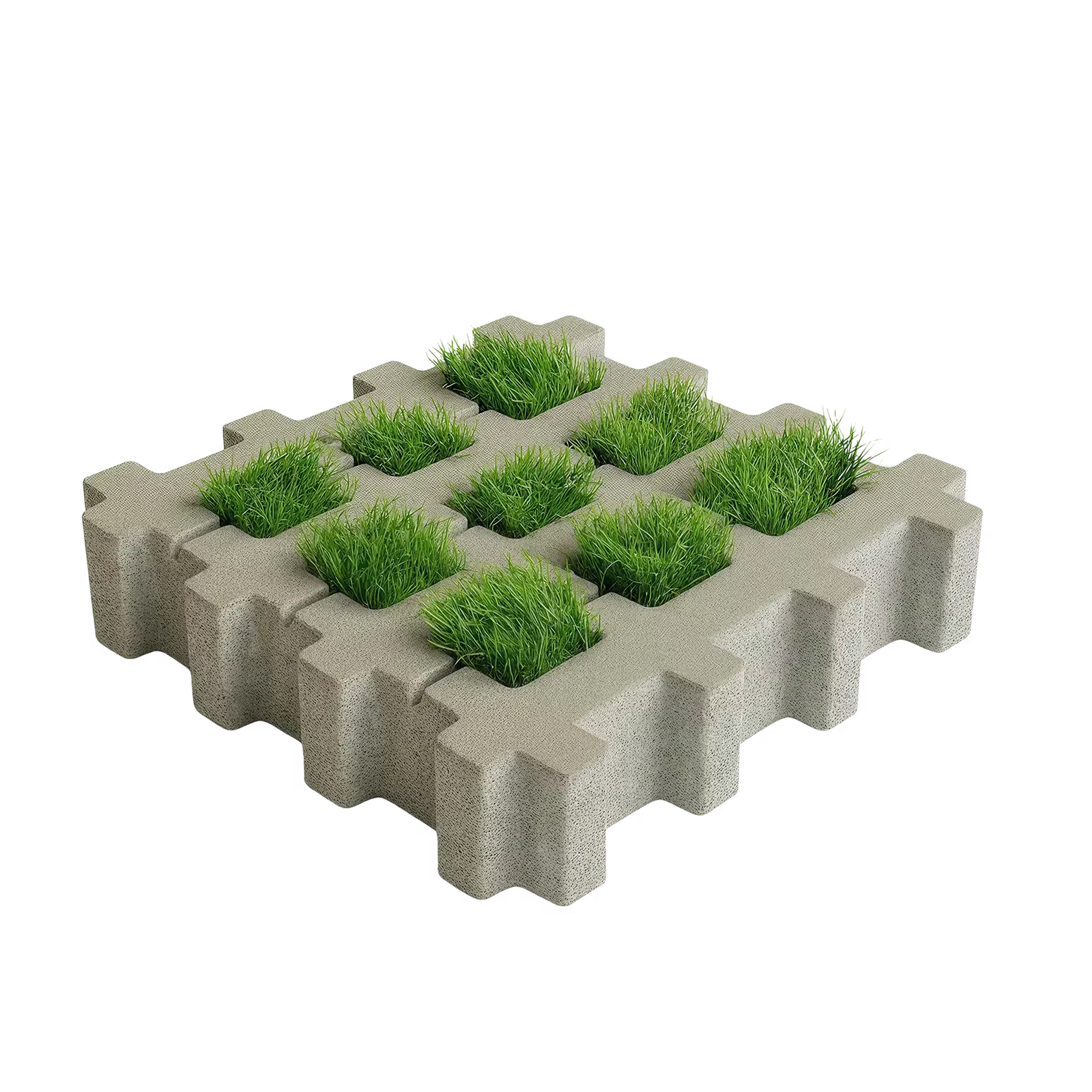
Screens can separate spaces yet seamlessly create a flow between them. Decorative pavers and paving tiles, which are thin enough to create a partition without occupying too much space, are being explored for this purpose. An alternative can be grass pavers, since they contain gaps; these help with air circulation and serve as decorative elements. Clients have also begun using grass pavers to create vertical gardens in lobbies and halls.
In the hands of next-gen architects, concrete hardscaping products are evolving from purely functional elements to aesthetic tools. The key lies in choosing the right thickness and finish for each space. To find the right fit that balances performance with design, reach out to us at enquiry@basantbetons.com.