




Precast Concrete Slabs: Solid & Drainage Slabs for Outdoor Flooring
Not every outdoor surface needs a full paving system. Sometimes a single, large precast unit does the job faster, with fewer joints and less on-site work. Precast slabs are exactly that: a simple, versatile flooring solution for parking, footpaths, and building entrances, built to carry real vehicular weight even when the slab itself is designed with openings for drainage.
What Is a Precast Concrete Slab?
A precast concrete slab is a factory-cast concrete unit used as a large-format flooring surface, poured and cured under controlled conditions before it ever reaches site. Basant Betons manufactures two types, built for outdoor use:
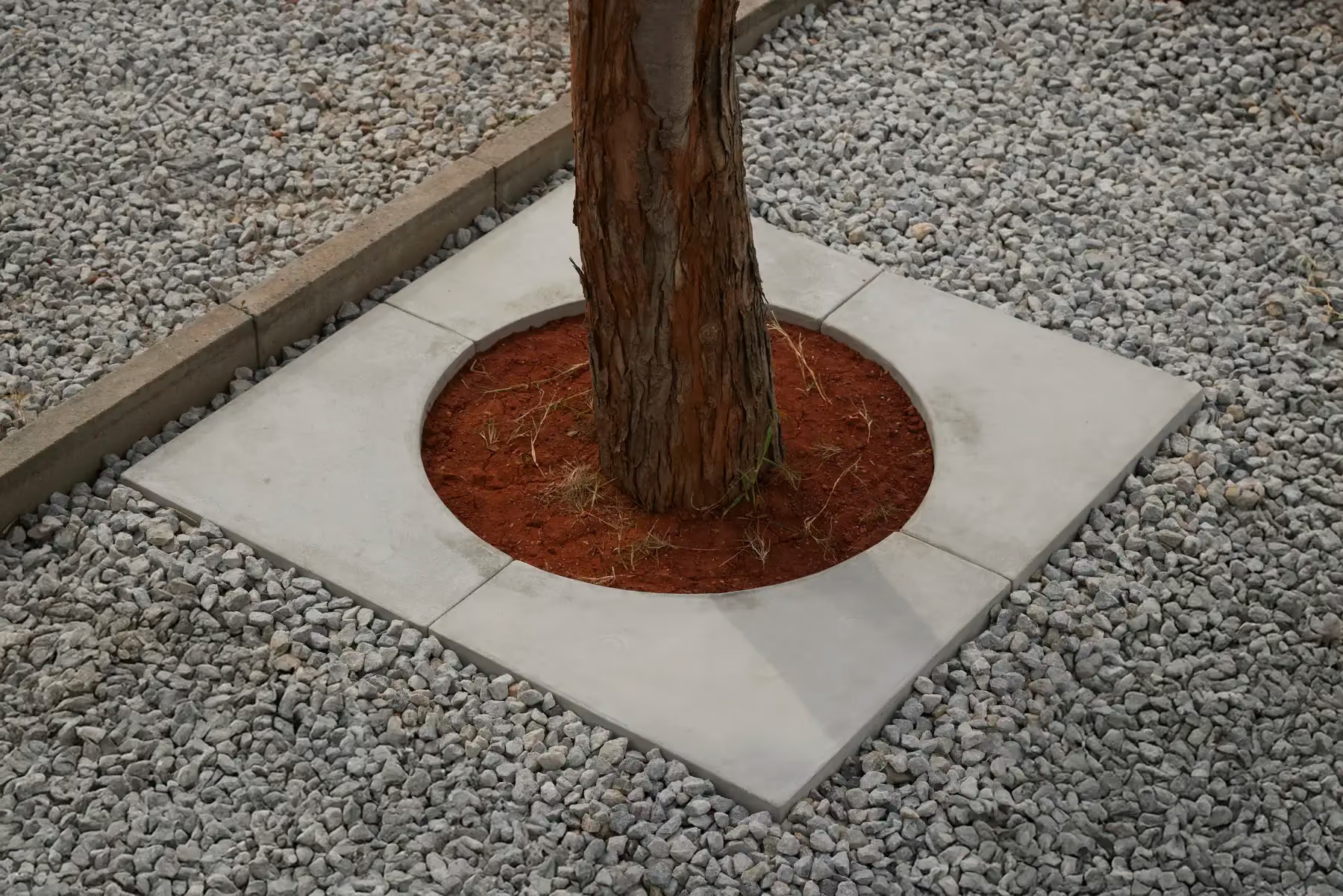
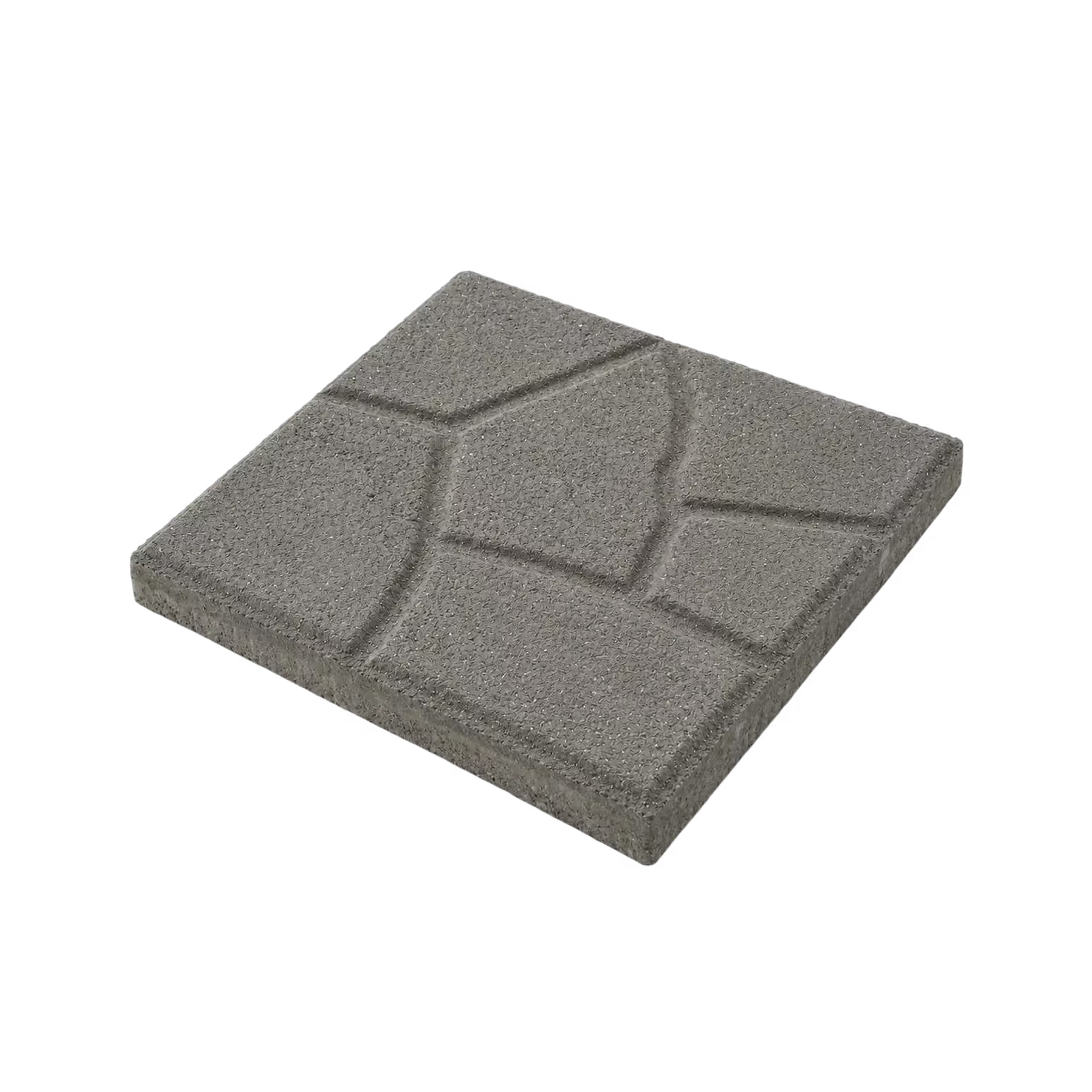
Solid slabs are a monolithic, uninterrupted concrete unit. No openings, no joints within the piece itself, just a large-format paving surface ideal for parking bays and building entrances where a clean, continuous surface is the priority.
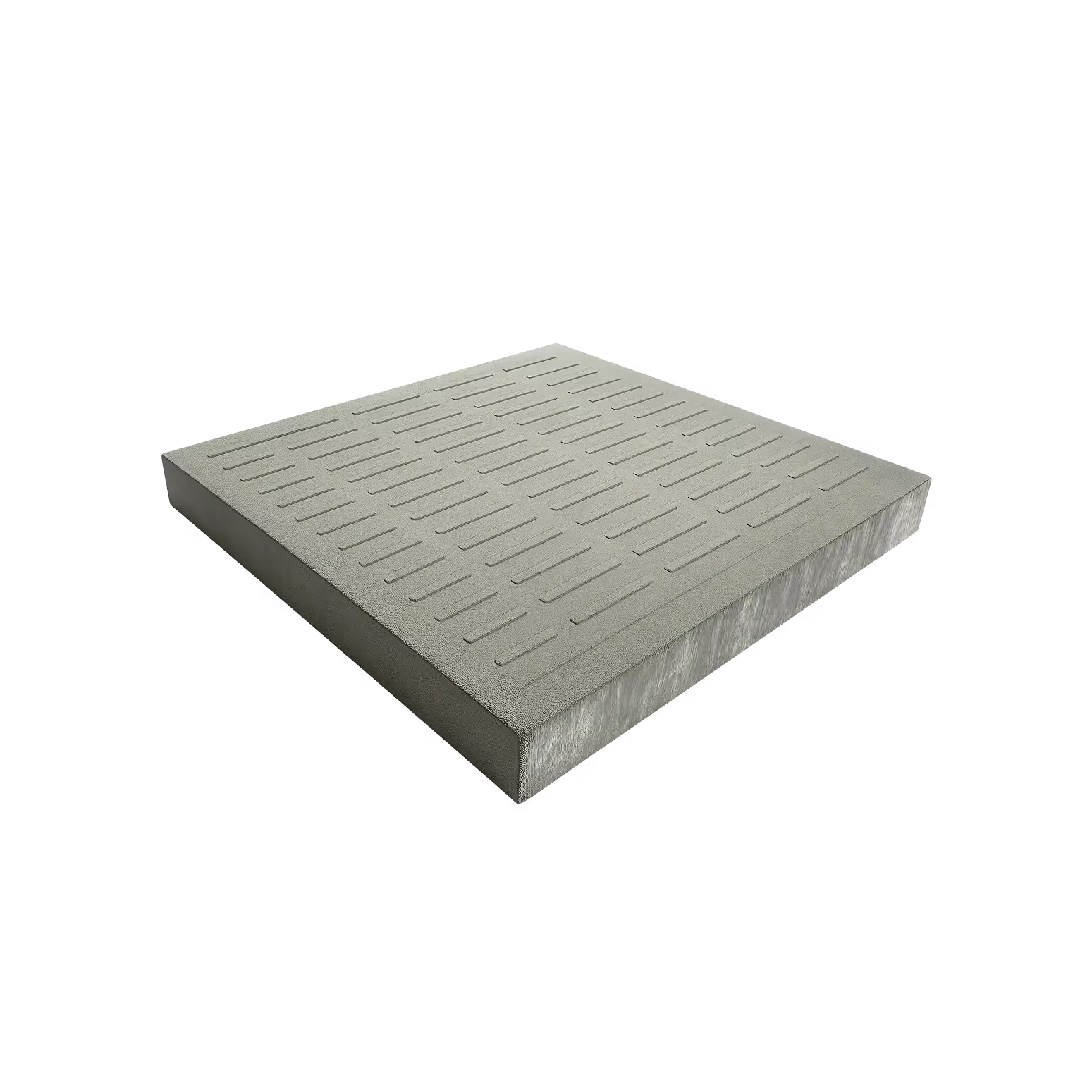
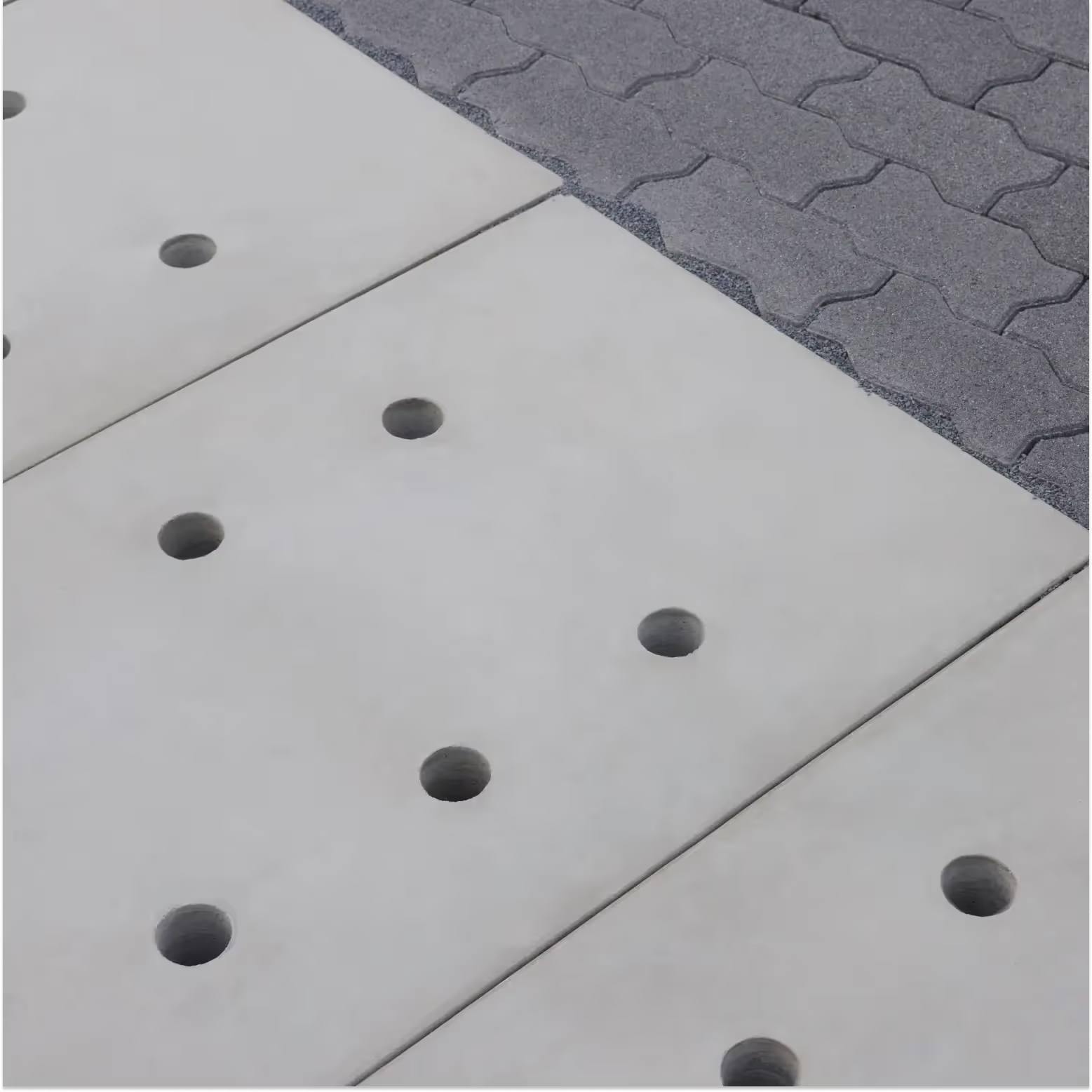
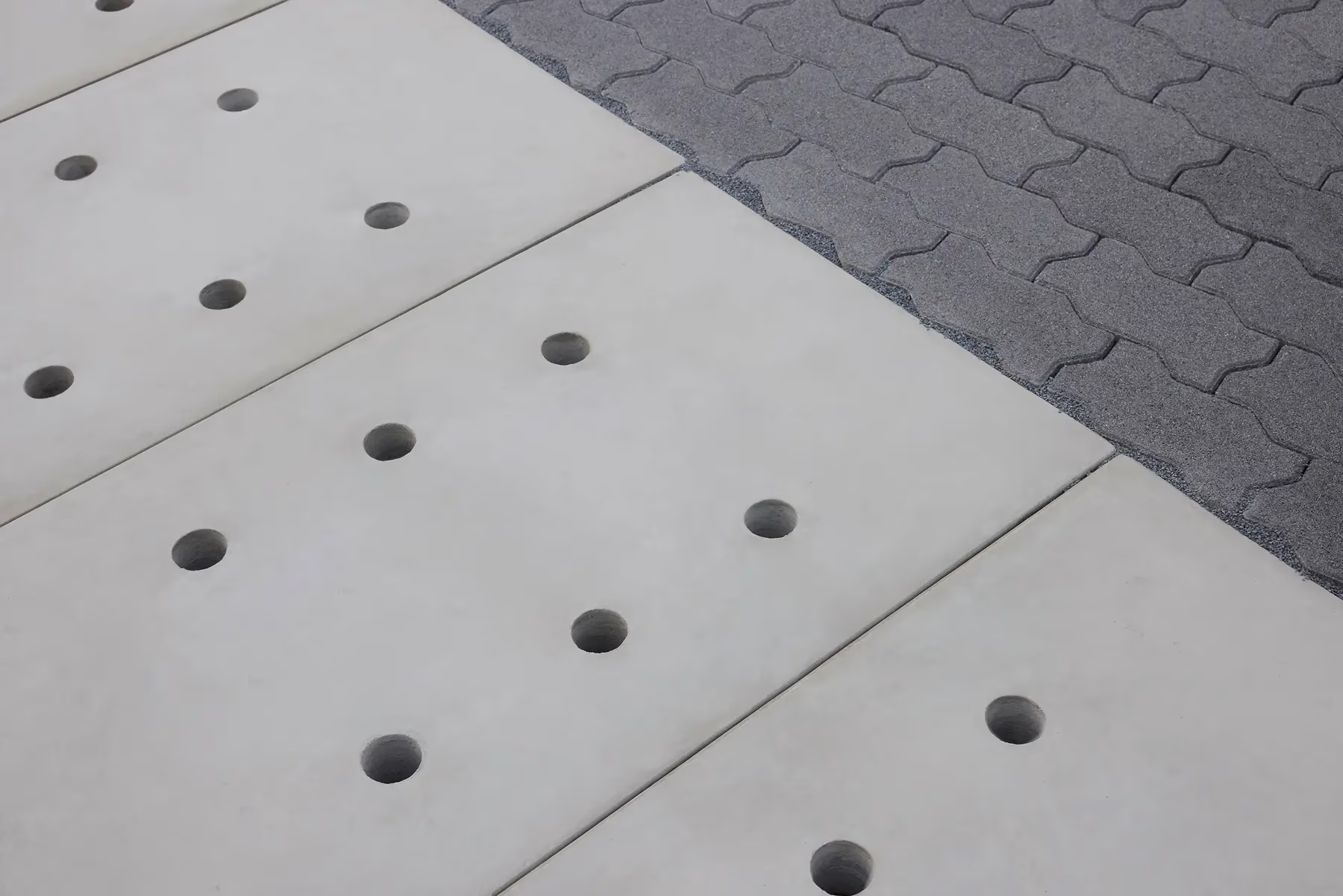
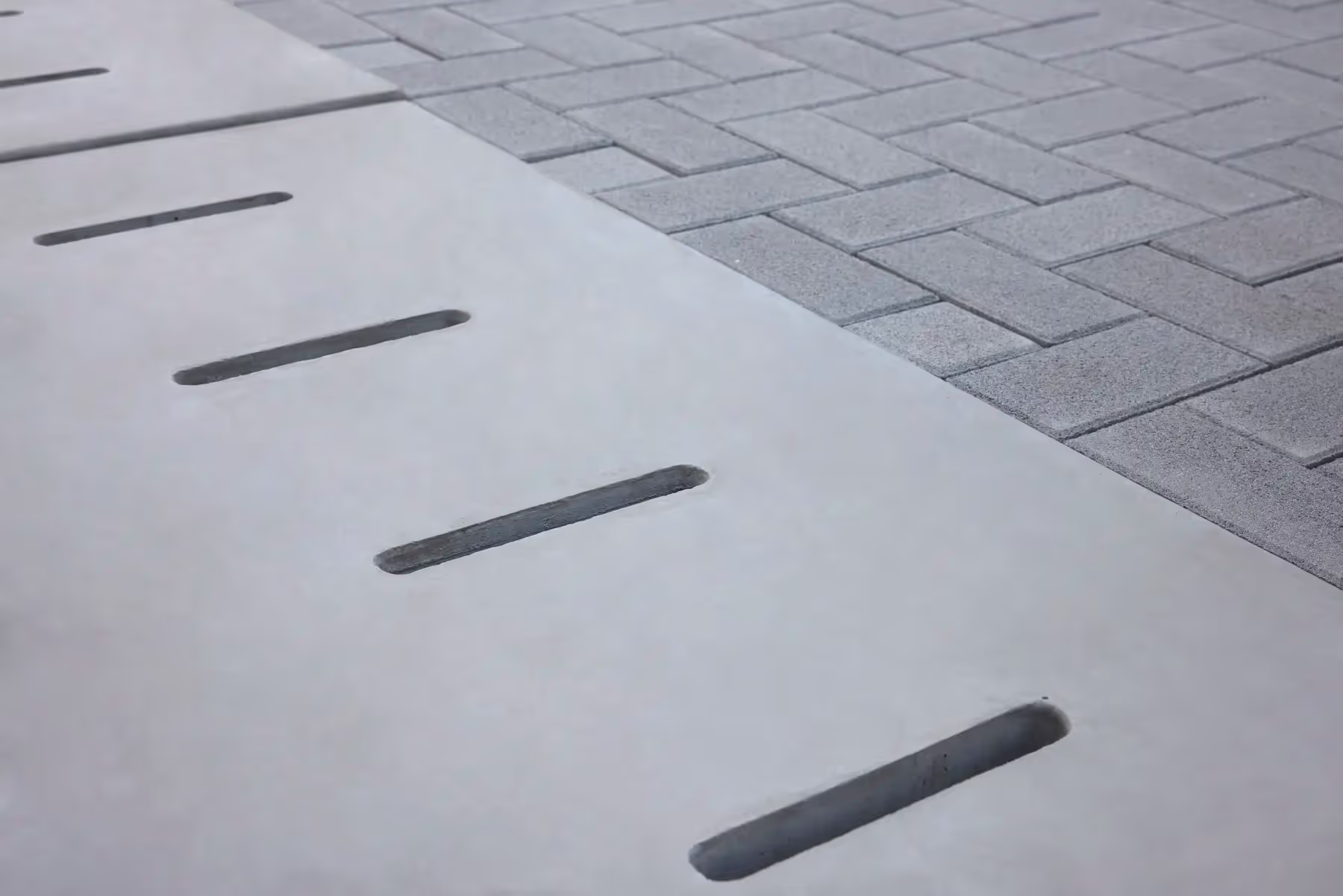
Slabs with holes and slots are the same precast unit with openings engineered into the design, allowing water to pass through the slab rather than pool on top of it. They pair naturally with drainage systems and areas where surface water needs somewhere to go.
| Solid slab | Slab with holes and slots | |
|---|---|---|
| Surface | Continuous, no openings | Engineered openings for water passage |
| Best for | Parking bays, building entrances | Areas needing surface drainage alongside load-bearing |
| Load rating | Multiple vehicular load options | Full vehicular load (city vehicles), engineered around the openings |
| Customisation | Size to project requirement | Hole/slot count, pattern, and size to project requirement |
| Pairs well with | Standalone paving zones | U-shape drains, kerb-with-drain, and other drainage runs |
Choosing Between Solid and Slotted: A Quick Checklist
- Does the surface need to manage water, or just carry load? If water pooling isn't a concern, a solid slab is the simpler choice. If the site has drainage needs, a slotted slab does double duty.
- What sits below or beside the slab? Slotted slabs are most useful when there's somewhere for the water to actually go, a drain, a soak pit, or an adjacent channel. A slotted slab without a drainage path behind it doesn't solve the problem on its own.
- What's the traffic type? Both types are engineered for vehicular load, but confirm your specific traffic profile (car park, service yard, occasional heavy vehicle) when specifying, since it affects the engineering behind the slab, not just its appearance.
Installation Basics
Like any large-format precast unit, a precast slab is only as stable as the base it sits on. A compacted, well-graded sub-base is prepared first, since it's what actually distributes load beneath the slab. Slabs are then set with consistent joint spacing between units, which allows for minor thermal movement without cracking, the same principle that applies to interlocking pavers, just at a larger unit scale.
Can a Slab With Holes Still Bear Vehicular Load? Yes
This is the detail that surprises people who assume any opening in a slab is a structural weak point. It isn't, when the openings are engineered into the design rather than cut into it afterward. The number, size, and placement of holes or slots are calculated as part of the slab's structural design from the outset, so the slab retains its vehicular load rating even with drainage openings built in. That's what makes it suitable for parking lots and driveway entrances specifically, applications where both load-bearing capacity and water management matter at the same time.
Customisation: Hole and Slot Configuration
Neither the solid slab nor the slotted version comes in a single fixed format. The number of holes or slots, their arrangement, and the overall slab size can be customised to project requirements, whether that means a denser opening pattern for a site with heavy runoff or a size matched to an existing paving module on site.
Where Precast Slabs Are Used
- Parking lots and driveway entrances, where vehicles need a stable surface and, in the slotted version, water needs somewhere to drain
- Building entrances, where a clean, large-format solid surface reduces visible joints
- Footpaths and pedestrian zones, particularly where a slab pairs with an adjacent drainage run
- Industrial yards and service corridors, where a durable, load-rated surface needs to handle both foot and vehicle traffic
Precast Slabs vs. Cast-in-Situ Flooring
Precast slabs skip the on-site formwork and curing time that a poured concrete floor requires. Each unit arrives factory-tested to a consistent thickness and strength, rather than depending on the mixing and curing conditions of a specific pour on a specific day. For larger areas, this also means faster coverage: a precast slab is a single large-format piece rather than a surface that needs to be built up, section by section, on-site.
Frequently Asked Questions
What is a precast concrete slab?
A precast slab is a factory-cast concrete flooring unit, cured under controlled conditions before installation, used as a large-format outdoor paving surface for parking, footpaths, and building entrances.
Where are slabs with holes or slots used?
They're used anywhere a paved surface needs to manage water as well as carry load, such as parking lots, driveway entrances, and footpaths that pair with an adjacent drainage system.
Do the holes or slots reduce the slab's load-bearing capacity?
No. Hole and slot placement is engineered into the slab's structural design from the outset, so it retains its vehicular load rating even with drainage openings built in.
Can I customise the number and pattern of holes or slots?
Yes. Hole and slot configuration, along with overall slab size, can be customised to your project's drainage and layout requirements.
How do precast slabs compare on cost and speed vs cast-in-situ flooring?
Precast slabs install faster, since there's no on-site formwork or curing wait, and each unit is factory-tested to a consistent quality standard rather than depending on the conditions of an individual on-site pour.
Are precast slabs suitable for vehicular traffic?
Yes. Both the solid and slotted versions are engineered to bear vehicular load, making them suitable for parking areas and driveway entrances, not just pedestrian zones.
Should I choose a solid slab or a slotted slab for my project?
If your site doesn't need to manage surface water, a solid slab is the simpler option. If water pooling or drainage is a concern, a slotted slab lets water pass through while still carrying full vehicular load, provided there's a drainage path for that water to reach.
Does a precast slab need a special foundation?
It needs a compacted, well-graded sub-base, similar in principle to what a paver installation requires, since the sub-base is what actually distributes load beneath the slab.
Basant Betons precast slabs have been specified across premium large-scale developments as well as luxury residences and resorts. Browse the precast slab range or write to us at enquiry@basantbetons.com and we'll help you work out the right slab type and layout for your site.