



Frequently Asked Questions
Products and Customisation
What is the difference between pavers, paving tiles, and flagstones?
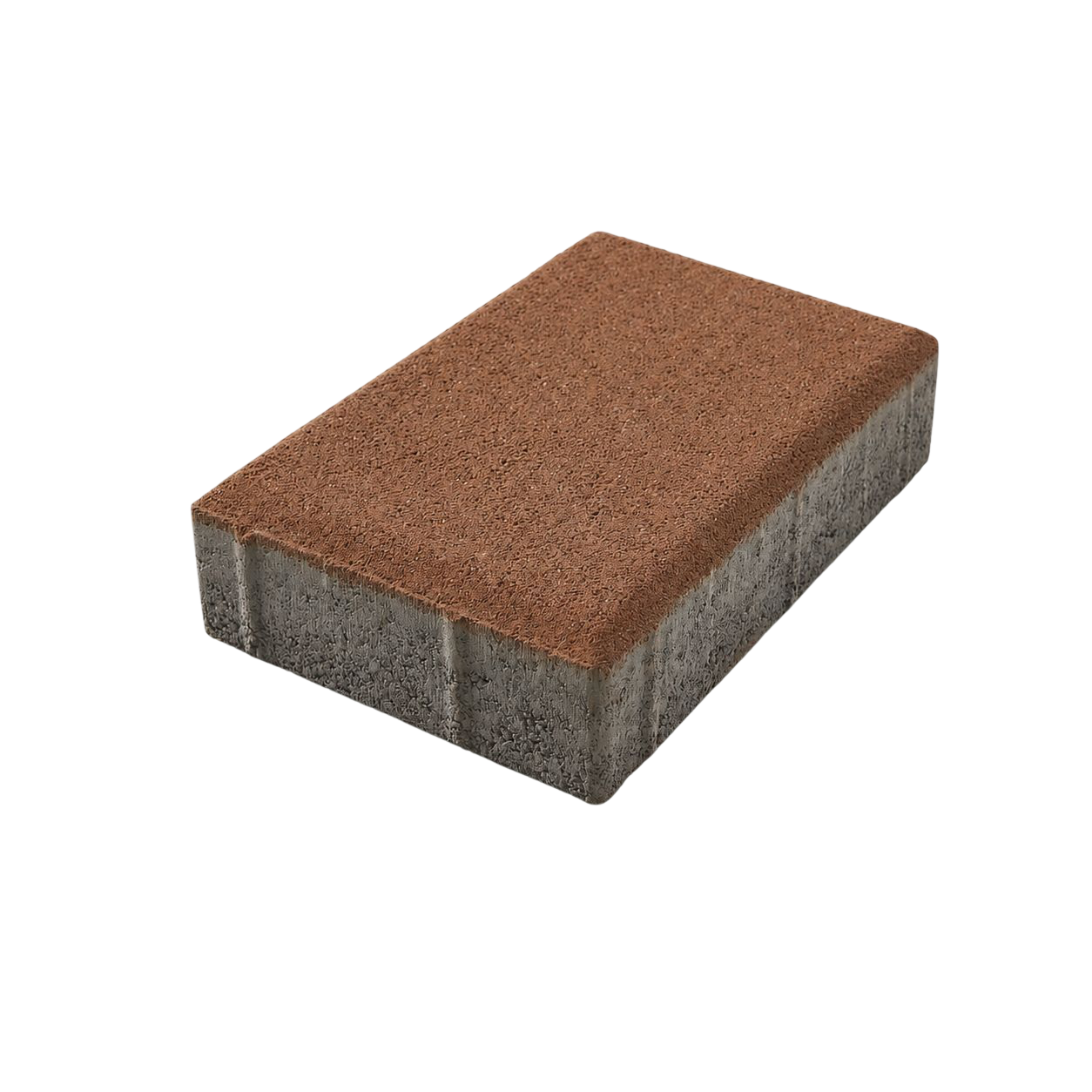
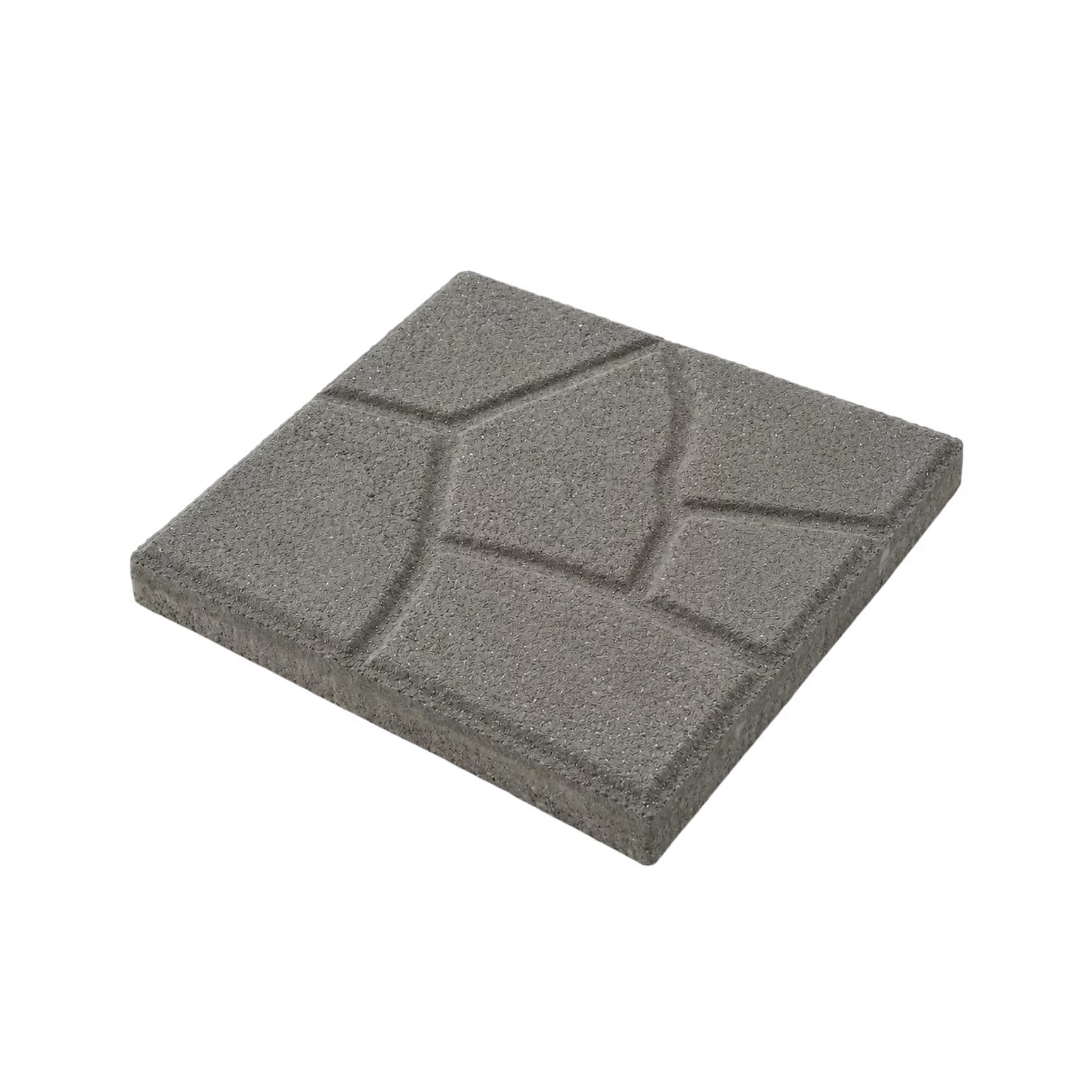
Pavers are thick, load-bearing interlocking concrete units engineered for driveways, roads, and high-traffic areas. Paving tiles are thinner units suited for light-traffic or decorative applications such as patios and indoor-outdoor transitions. Flagstones are large, monolithic concrete slabs — similar to oversized tiles — typically used for landscaping, garden paths, and walkways where a clean, expansive look is needed.
Are Basant Betons pavers available customisable?
Yes. We offer full customisation in colour and surface finish to meet project-specific requirements.
What surface finishes does Basant Betons offer?
We manufacture pavers in three primary finishes: Shotblasted, Fine, and Washed. Across select product lines, we also offer a range of surface textures — including riven, pimple, teak, grooved, lined, and more — giving architects, landscapers, and homeowners a wide palette to work with.
What is the difference between heavy-traffic, medium-traffic, and light-traffic pavers?
Heavy-traffic pavers are engineered for surfaces with constant large-vehicle movement — trucks, buses, tempos, and industrial equipment. Medium-duty pavers are ideal for residential driveways and mixed-use surfaces with regular car traffic. Light-duty pavers are decorative units designed for walkways, cycling paths, and garden areas where foot traffic is the primary load.
Can Basant Betons help with custom patterns or bespoke design layouts?
Yes. We have experience delivering customised product and pattern solutions across residential, commercial, and infrastructure projects. Share your brief with our team and we'll work with you on a design that fits your vision and site requirements.
Quality, Performance and Sustainability
Are Basant Betons products tested and certified as per IS standards?
Yes. All Basant Betons concrete pavers are manufactured and tested in compliance with relevant Indian Standard (IS) codes. Testing covers compressive strength, dimensional accuracy, water absorption, and durability — and is carried out on every production batch before dispatch.
What compressive strength do Basant Betons pavers achieve?
Our pavers are manufactured using M40 grade concrete, achieving a compressive strength of approximately 40 MPa. This places them firmly in the heavy-duty category, suitable for the most demanding vehicular and industrial applications.
What quality control process does Basant Betons follow during manufacturing?
Quality is built into every stage of our production process. Key measures include:
- Careful selection and laboratory testing of all raw materials — cement, aggregates, and additives
- Controlled batching with calibrated equipment to ensure precise and consistent mix proportions
- High-compaction vibro-press technology that delivers superior density and structural strength
- Monitored curing cycles using advanced curing technology
- In-house testing for compressive strength, water absorption, and other parameters per IS standards
- Dimensional accuracy checks and detailed visual inspection before every dispatch
This structured quality assurance system ensures uniform strength, consistent finish, and long service life across every paver we manufacture.
What types of projects does Basant Betons supply to?
We supply to three primary project categories: residential (individual homeowners and builders), commercial (tech parks, factories, institutions, and hospitality properties), and public or government infrastructure projects. Our production capacity allows us to serve both small residential orders and large-scale infrastructure requirements.
Will concrete pavers crack under vehicle weight?
No — not when the right paver is specified for the application. Our pavers are manufactured to M40 grade compressive strength standards and are rated for vehicular traffic. We actively recommend specific paver types based on your expected traffic load to ensure optimal long-term performance.
Will pavers sink or settle over time?
Not with correct base preparation. Proper excavation, sub-base compaction, and a sand bedding layer ensure long-term stability. Settling is almost always a base preparation issue, not a product issue — which is why we provide detailed installation guidelines with every order.
Are Basant Betons pavers suitable for heavy rainfall areas like Bangalore or coastal South India?
Yes. Concrete pavers are well-suited to high-rainfall environments. We also supply permeable paver options specifically designed to allow water to pass through the surface, reducing runoff, preventing waterlogging, and supporting natural groundwater recharge.
Do concrete pavers allow water drainage?
Yes. Our permeable pavers and grass pavers are engineered for water infiltration and drainage. They are widely used in parking areas, driveways, and green spaces where managing stormwater is a priority.
Do pavers attract moss or algae growth?
Any outdoor concrete surface can accumulate dust and organic matter over time. In persistently damp conditions, moss or algae can develop — but this is easily prevented with regular, simple cleaning. A periodic wash is typically all that's needed to keep surfaces looking fresh.
Are Basant Betons pavers termite-proof and pest-proof?
Yes. As solid concrete products, our pavers are naturally resistant to termites, pests, and rodents. There is no organic material in the product that would attract or sustain infestations.
Can tree roots damage concrete pavers?
Roots from trees planted too close to a paved surface can shift individual pavers over time. This is a planning issue, not a product defect. With proper landscape planning and root-friendly hardscaping design, you can achieve healthy tree growth alongside a stable, long-lasting paved surface.
Are Basant Betons pavers safe for children and pets?
Yes — our pavers are completely safe for children and pets. They present no risk in normal residential or commercial use.
What sustainability practices does Basant Betons follow?
Sustainability and resource efficiency is integral to how we manufacture. Our practices include:
- Efficient raw material usage to minimise production waste
- Water recycling systems during the manufacturing process
- Energy-efficient machinery across all production units
- Local sourcing of materials to reduce transportation-related carbon impact
- Manufacturing M40 grade, long-life pavers that reduce replacement frequency and lifecycle waste
Our goal is to produce strong, durable products that minimise environmental impact over their full service life.
Supply, Logistics and Support
Can Basant Betons handle supply for large-scale projects?
Yes. We operate multiple large production units and are equipped for parallel manufacturing. We regularly supply large-volume projects in a phased, well-coordinated manner — with a production and delivery schedule aligned to your project timeline.
What are the typical supply timelines for Basant Betons products?
After an initial consultation, our team will provide a clear supply schedule tailored to your project.
Does Basant Betons maintain ready stock at the factory?
Yes. We maintain stock at our primary manufacturing facility for select standard products.
Does Basant Betons arrange delivery to site?
Transportation is arranged separately based on your location and order size. Our team will guide you through the logistics process and help coordinate delivery in a way that works for your site schedule.
How is unloading handled at the delivery site?
Unloading is the responsibility of the customer or their contractor. We brief the designated site contact on unloading best practices before dispatch to ensure the process goes smoothly and product integrity is maintained.
Does Basant Betons supply across India?
We guarantee supply to all South Indian states — Karnataka, Tamil Nadu, Andhra Pradesh, Telangana, and Keralam. We also deliver to other states across India based on order size and by special request. Contact our sales team to discuss requirements outside South India.
Does Basant Betons have authorised dealers or distributors?
No. Basant Betons does not operate through authorised dealers or distributors. All orders are handled directly by our sales team, ensuring consistent product quality, accurate pricing, and direct after-sales support.
What after-sales support does Basant Betons provide?
Our sales team remains available after delivery to address any queries and recommend solutions. Whether you have questions about installation, need to troubleshoot an issue, or want to plan a future phase, we're reachable at any point post-delivery.
Can I order additional material later and match my original order?
Yes. We can manufacture additional quantities in the same product, colour, and finish as your original order, and match them as closely as possible. We recommend noting your original order reference so our team can align specifications precisely.
Pricing, Planning, and Purchasing
How do I get a quote from Basant Betons?
Email our team at enquiry@basantbetons.com, contact our sales team directly by phone, or visit any Basant Betons Experience Centre.
Is GST applicable on Basant Betons products?
Yes. GST is charged on all products as per applicable government regulations.
Can I see samples before placing an order?
Yes. We are happy to provide samples — including delivering them to your project site — so you can assess shape, pattern, finish, colour, and texture before committing to an order.
Can I visit a site where Basant Betons pavers have been installed?
Yes. We can arrange visits to completed projects where our products are installed. Seeing pavers in a real environment — especially at scale — often helps clients finalise their product and pattern selection with confidence.
How early should I contact Basant Betons before my project starts?
After consultations, our team will build a supply schedule around your project timeline. Getting in touch early gives us more flexibility on product availability, production scheduling, and phased delivery coordination.
Can I place repeat orders with matching colours and finishes?
Yes. We can match colours and finishes closely to your original order for repeat or additional quantities.
Understanding Pavers
Why choose concrete pavers over natural stone?
Concrete pavers deliver the aesthetic of natural stone at a significantly lower cost, with greater dimensional consistency, a wider range of design options, and simpler installation. They are equally durable, easier to maintain, and far more practical to replace — a single damaged paver can be swapped out without disturbing the rest of the surface. For projects requiring uniformity at scale, concrete pavers are the superior choice.
Why choose pavers instead of asphalt or poured concrete flooring?
Concrete pavers flex slightly with ground movement, making them far more resistant to cracking than poured concrete or asphalt slabs. They drain better, last longer, and are straightforward to repair — you replace only the affected unit, not the entire surface. This dramatically reduces the long-term cost and disruption of maintenance.
Are concrete pavers better than outdoor tiles for exterior use?
Concrete pavers are significantly thicker, inherently slip-resistant, and engineered to handle heavy loads and sustained foot traffic. Outdoor ceramic or porcelain tiles chip and crack under pressure, and their grout lines deteriorate quickly when exposed to weather, vehicle loads, and ground movement. Pavers simply outperform tiles in outdoor conditions.
Are concrete pavers more cost-effective in the long run?
Yes — substantially so. Concrete pavers can last for multiple decades with minimal maintenance. Because individual units can be replaced without redoing the entire surface, repair costs remain very low over the product's lifetime. Their durability and kerb appeal also contribute to long-term property value — making them a strong investment for both residential and commercial properties.
Company and Locations
Where is Basant Betons headquartered?
Basant Betons is headquartered in Bangalore, Karnataka.
Where are Basant Betons manufacturing plants located?
We operate three manufacturing units across Karnataka and Tamil Nadu, giving us strong production capacity and reliable supply coverage across South India.
Where are Basant Betons Experience Centres and offices located?
We have Experience Centres and offices in Bangalore, Hyderabad, Chennai, Harohalli, and Hubli. Visit any centre to view our full product range, explore finishes and textures in person, and speak with our team about your project.
How do I get in touch with Basant Betons?
You can reach us at enquiry@basantbetons.com, contact our sales team directly, or walk into any of our Experience Centres. We're happy to help with everything from initial planning and sampling to supply scheduling and post-delivery support.
About Precast Concrete
What is precast concrete?
Precast concrete is concrete cast and cured in a controlled factory environment, then transported to site ready for installation. The factory setting eliminates the variables that drive defects in in-situ construction - inconsistent mix, uncontrolled curing, weather dependency - delivering elements with predictable strength, accurate dimensions, and consistent finish every time.
What are the advantages of precast concrete over in-situ construction?
Higher strength reliability, faster installation, and cleaner sites. Because curing, mix proportions, and tolerances are controlled in the factory, precast removes the guesswork from construction. For engineers, that means predictable performance. For contractors, fewer delays and rejections. For architects, finish quality that holds to design intent.
Is precast concrete suitable for large-scale infrastructure projects?
Yes - it's built for it. Precast is used extensively across drainage networks, roads, retaining structures, water infrastructure, and building facades. Dimensional consistency and load-rated structural performance make it particularly well-suited to infrastructure where quality variance carries real risk.
How does precast concrete compare to brick or block masonry construction?
Precast is stronger, faster, and dimensionally far more consistent. It removes the labour-intensive, weather-dependent process of site-based masonry and delivers controlled tolerances and surface quality that masonry cannot replicate at scale.
Is precast concrete cost-effective?
Yes - when total project cost is considered. Faster installation reduces on-site labour time, controlled quality reduces rework, and the long service life of precast lowers lifecycle maintenance costs. For contractors and developers managing tight timelines and budgets, precast consistently outperforms in-situ on cost over time.
Installation, Supply, and Support
Does Basant Betons handle installation of precast products?
We focus exclusively on manufacturing. We do not provide in-house installation. Technical guidance and installation specifications are provided with every order.
How quickly can precast elements be installed compared to in-situ construction?
Significantly faster. Precast elements arrive on-site ready to install - no formwork, no on-site casting, no curing wait. For most product types, installation begins immediately on delivery.
Can Basant Betons handle supply for large infrastructure or commercial projects?
Yes. Our 17 + 7-acre facility supports parallel production lines, enabling high-volume, phased supply coordinated around your project timeline from the outset.
What are typical supply lead times?
How do I get a quote or start a conversation about a precast project?
Reach us at enquiry@basantbetons.com, contact our sales team directly, or visit any Basant Betons Experience Centre.
Understanding Basant Betons Precast
What makes Basant Betons different from other precast manufacturers in India?
After five decades of concrete product manufacturing, we understand the material at a level few do. We produce using high-precision Japanese design moulds and automated Japanese design machinery, run advanced controlled curing systems year-round, and engineer our aggregate mix specifically for strength and surface quality. The result is precast that is dimensionally accurate, aesthetically refined, and structurally reliable at a level most manufacturers cannot consistently deliver.
What production capacity does Basant Betons have?
We operate across 17 +7 acres of production space with parallel manufacturing lines capable of handling high-volume, concurrent production across product types. Large-scale infrastructure and commercial projects can be supplied in a phased, well-coordinated manner without compromising quality or timelines.
What types of projects does Basant Betons supply precast to?
Infrastructure projects (drainage, roads, stormwater), commercial developments (tech parks, industrial facilities, institutions), residential builders and developers, and architectural projects requiring bespoke precast elements. Our production range spans small-format architectural pieces to large structural units - we ca be your one manufacturer across the full spectrum.
Are Basant Betons precast products manufactured to IS standards?
Yes. All products are manufactured and tested in compliance with applicable Indian Standard (IS) codes - covering compressive strength, dimensional accuracy, water absorption, and structural performance - at every production batch.
What compressive strength do Basant Betons precast products achieve?
Our precast products are manufactured using M40 grade concrete, achieving approximately 40 MPa compressive strength - placing them firmly in the high-performance category for heavy-duty structural and infrastructure applications.
Can Basant Betons manufacture bespoke or non-standard precast elements?
Yes. Our engineering capability and precision Japanese design moulds allow us to produce custom geometries, textures, and structural configurations beyond standard mould libraries. Architects and engineers can brief us directly; we assess feasibility and manufacture to match.
Where are Basant Betons manufacturing facilities located?
We operate across Karnataka and Tamil Nadu, with strong production coverage and reliable supply across South India.
Does Basant Betons supply precast products across India?
We guarantee supply to all South Indian states - Karnataka, Tamil Nadu, Andhra Pradesh, Telangana, and Keralam. We also supply other states based on order size and by special request.
Has Basant Betons ever manufactured bespoke precast products?
Yes, we have manufactured plenty of bespoke precast products, for multiple developers and architects. Once we receive the designs, we work with necessary parties to bring the vision to life.
Drainage and Ducts
What precast drainage products does Basant Betons manufacture?
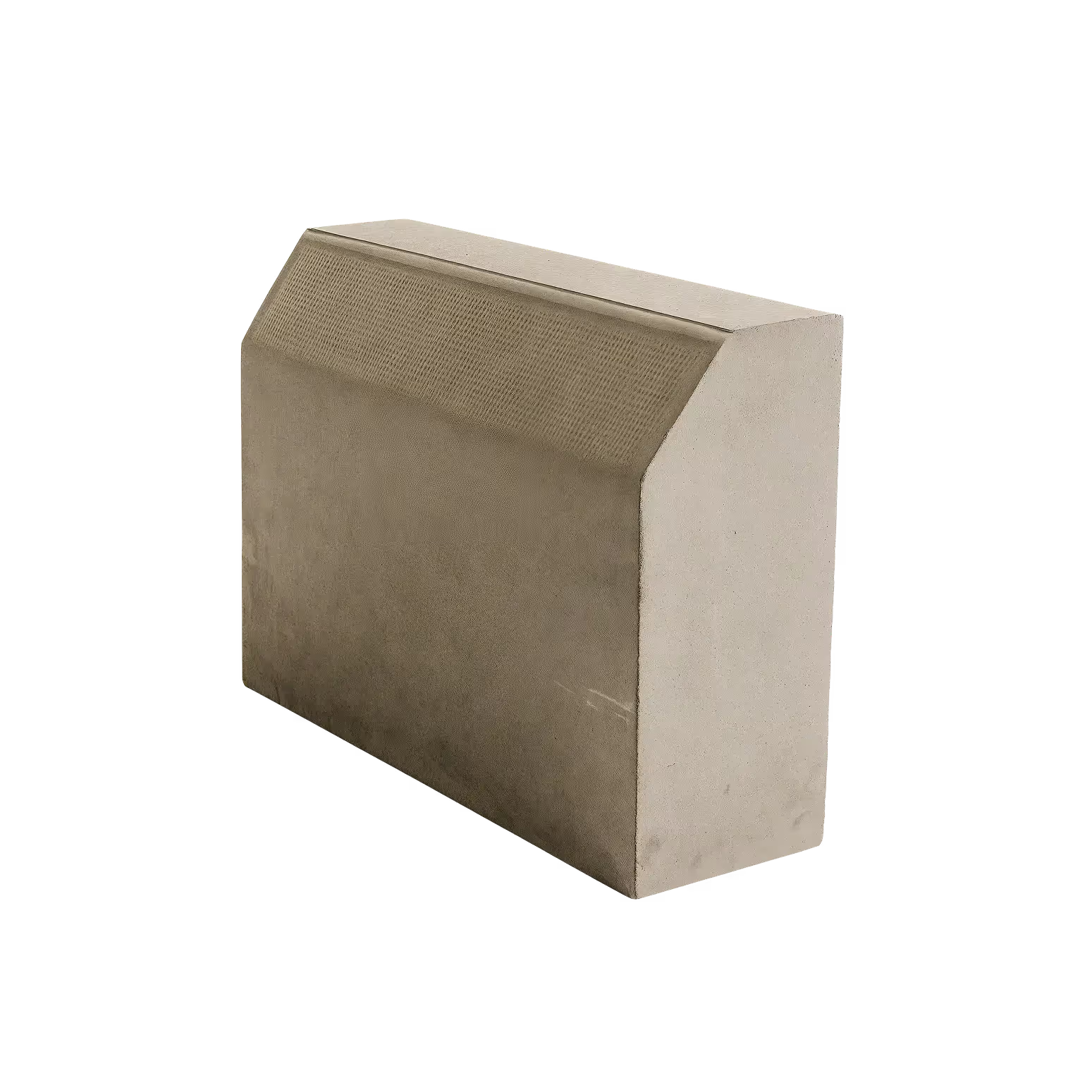
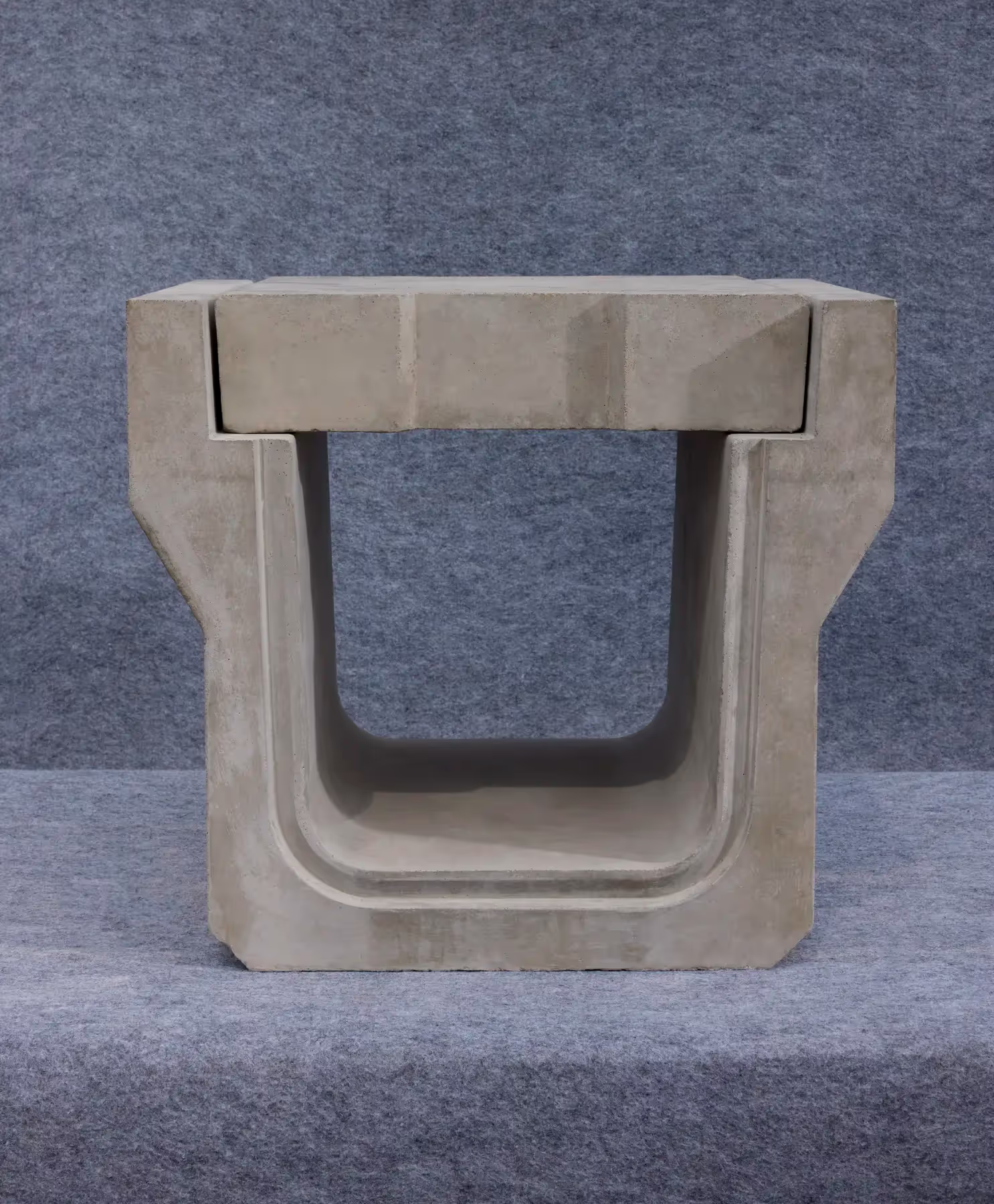
U-shape drains, egg-shape drains, box culverts, L-shape kerb drains, and other precast drainage & duct systems are engineered for specific drainage applications across roads, stormwater networks, utility trenches, and water crossings. All can be specified for light to heavy traffic loads.
What is the advantage of an egg-shape drain over a standard open drain?
The egg-shape profile promotes efficient, self-cleansing flow and reduces sediment build-up. The narrow top slit captures surface water while keeping out large debris, and the smaller opening retains more concrete at the top - improving load distribution and structural strength under traffic, which is critical at road edges.
Why choose a precast box culvert over cast in-situ construction?
Faster installation, less site disruption, and consistent structural performance - all difficult to achieve reliably with in-situ casting, especially on live roads or constrained sites. Our controlled rebar placement delivers load capacity and durability that in-situ construction cannot guarantee.
Walls and Fencing
What precast wall systems does Basant Betons offer?
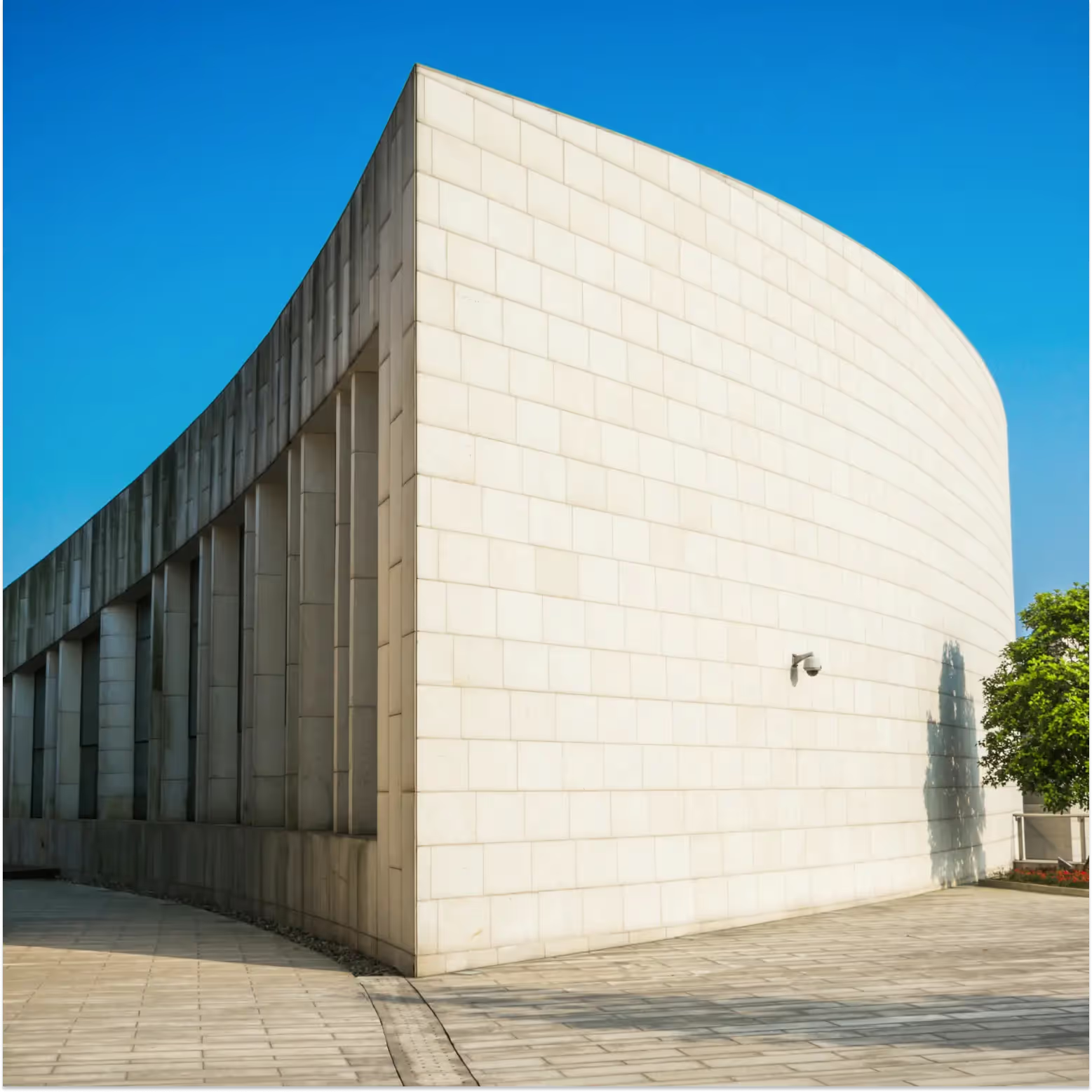
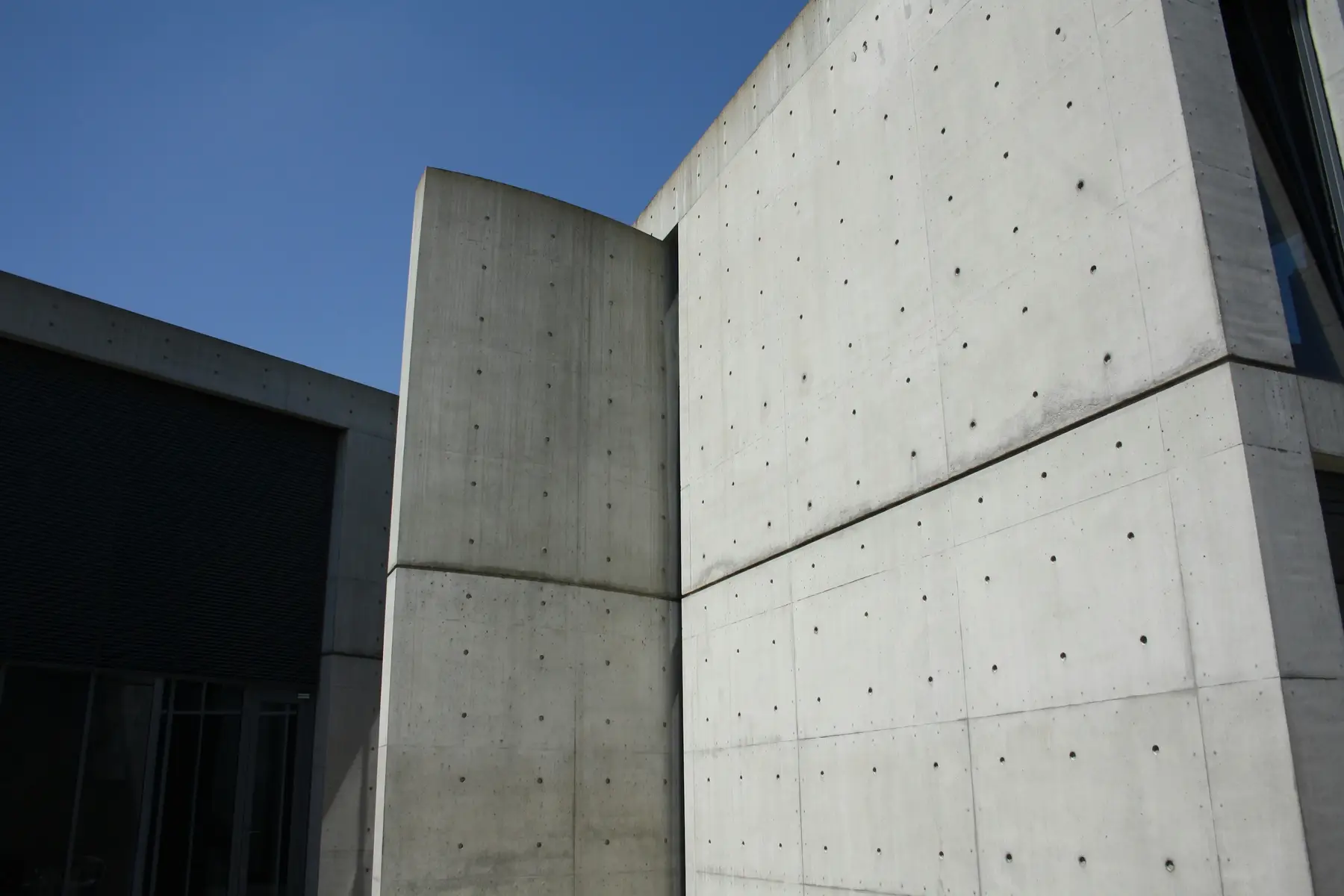
Precast compound walls, L-shape retaining walls, facade wall panels, and engineered wall products for specialised structural or functional requirements.
Why choose precast compound walls over conventional masonry?
Faster installation, stronger construction, and zero weather dependency. Precast compound walls are engineered to carry wind and dead loads directly into the footing and are built for long-term external exposure. A key advantage over masonry: they can be fully dismantled and relocated to another site if required.
Can precast compound walls be customised in height and finish?
Yes. Heights, panel profiles, and surface textures are all customisable. We source custom formliners to achieve specific aesthetic finishes - from plain smooth panels to detailed textured surfaces.
What are L-shape precast retaining walls used for?
Retaining soil in areas with level differences - highway embankments, basements, ramps, landscape terracing, and Indian Railways infrastructure. Engineered to resist earth pressure and surcharge loads, with integrated weep holes for drainage and inbuilt lifting inserts for faster, safer site handling.
What is an engineered precast wall product?
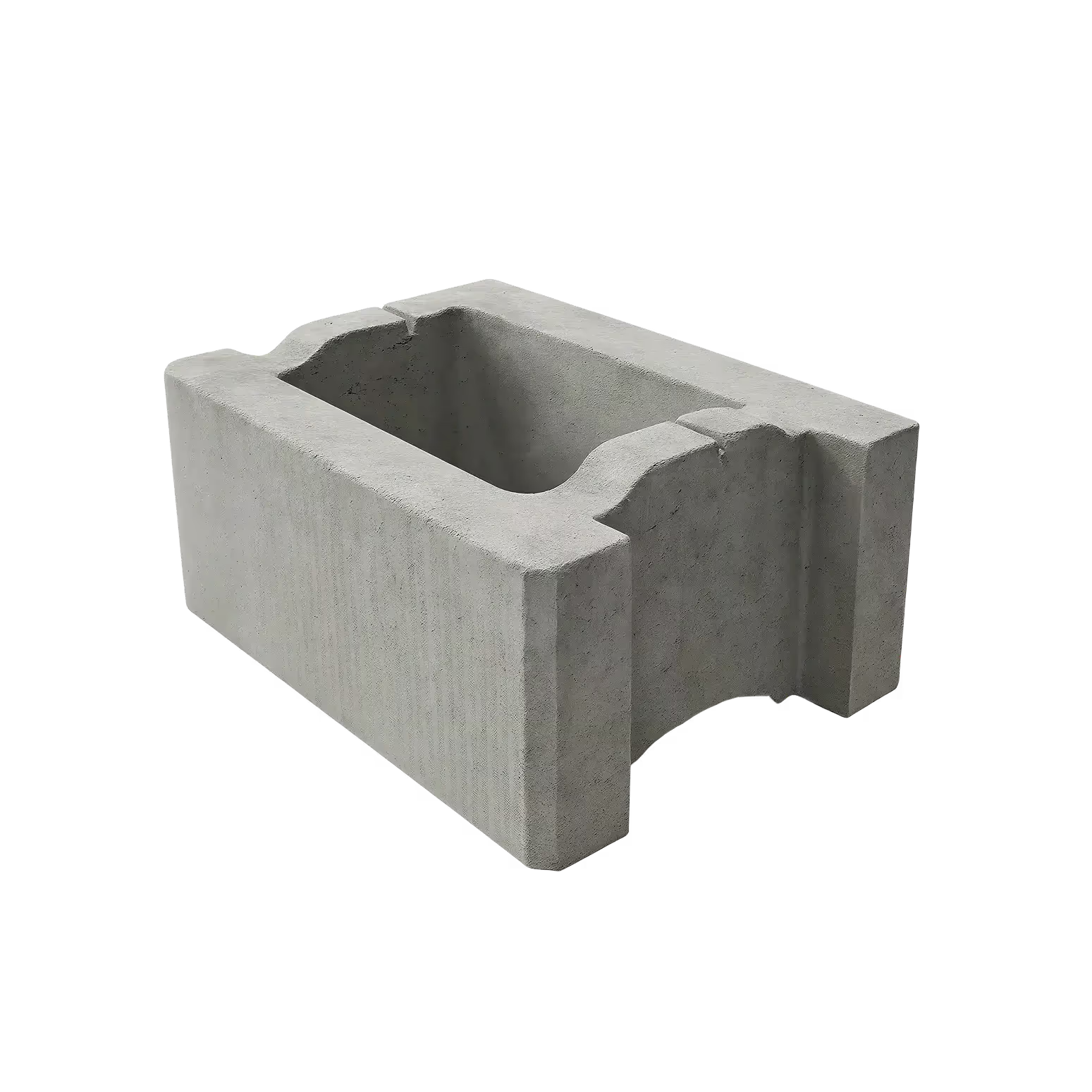
A wall system designed for a specific technical or functional requirement beyond standard categories - industrial separators, lego concrete blocks, security walls, wind-load-resistance walls, and other bespoke structural configurations. Developed in direct collaboration with the client's engineering team.
Barriers
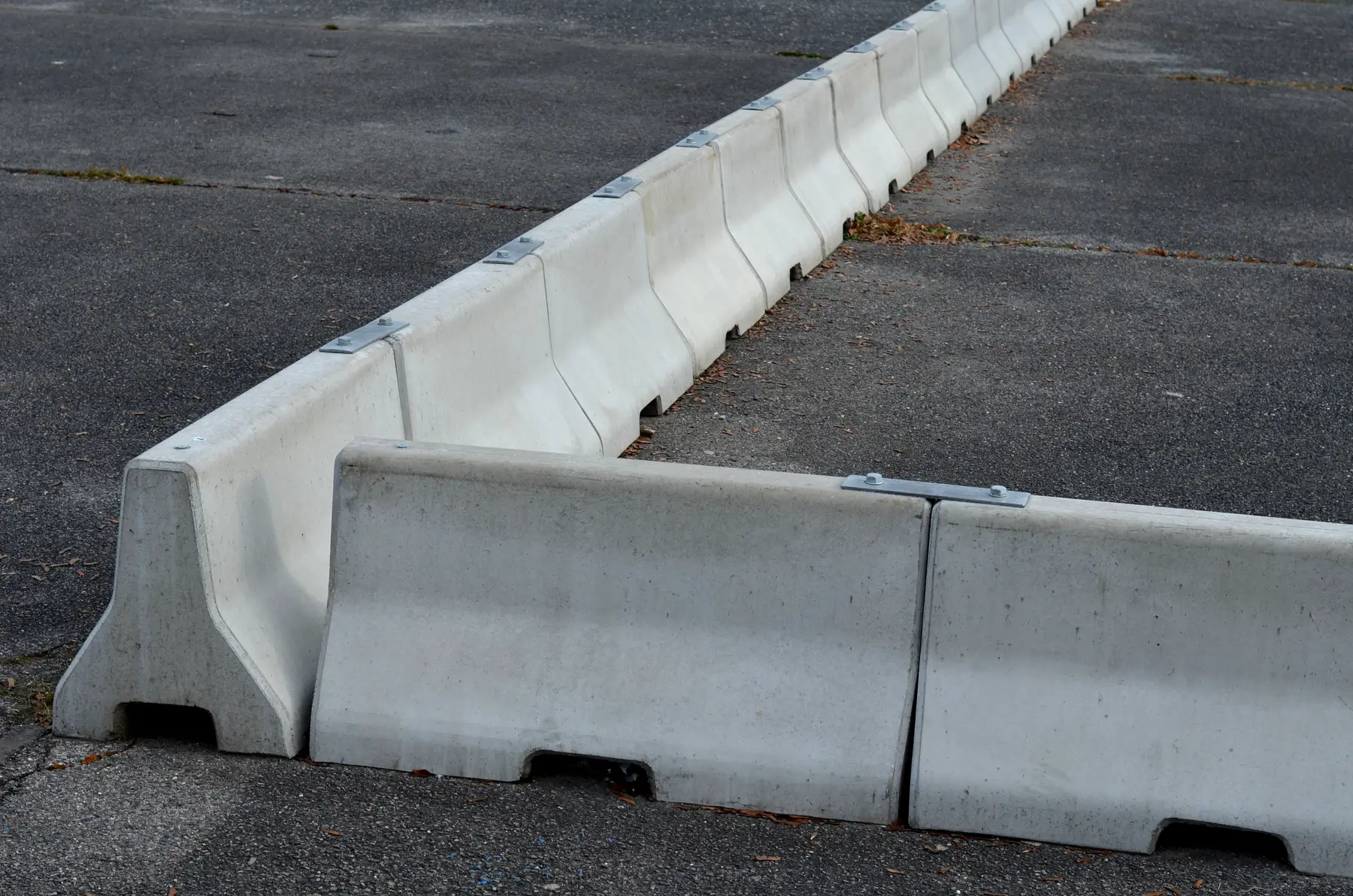
What are precast jersey barriers used for?
Traffic separation, road safety, and temporary or permanent traffic management on highways, flyovers, construction zones, tech parks, and gated developments. Designed to create a consistent road barrier, deflect vehicles, and reduce impact severity.
Can precast jersey barriers be reused or relocated?
Yes, unlike permanent road fixtures, precast jersey barriers can be lifted and relocated across sites as project requirements evolve, making them a cost-efficient solution for temporary traffic management.
Are jersey barriers available in different sizes?
Yes. We customise dimensions based on the application - from full highway-specification barriers to smaller units for internal roads, parking areas, and private developments.
Why choose precast concrete barriers over metal or plastic?
Concrete does not corrode, deform, displace, or degrade. Unlike metal or plastic barriers, precast jersey barriers require no periodic treatment or replacement and provide superior crash resistance over decades of outdoor exposure.
Slabs
What precast slab options does Basant Betons offer?
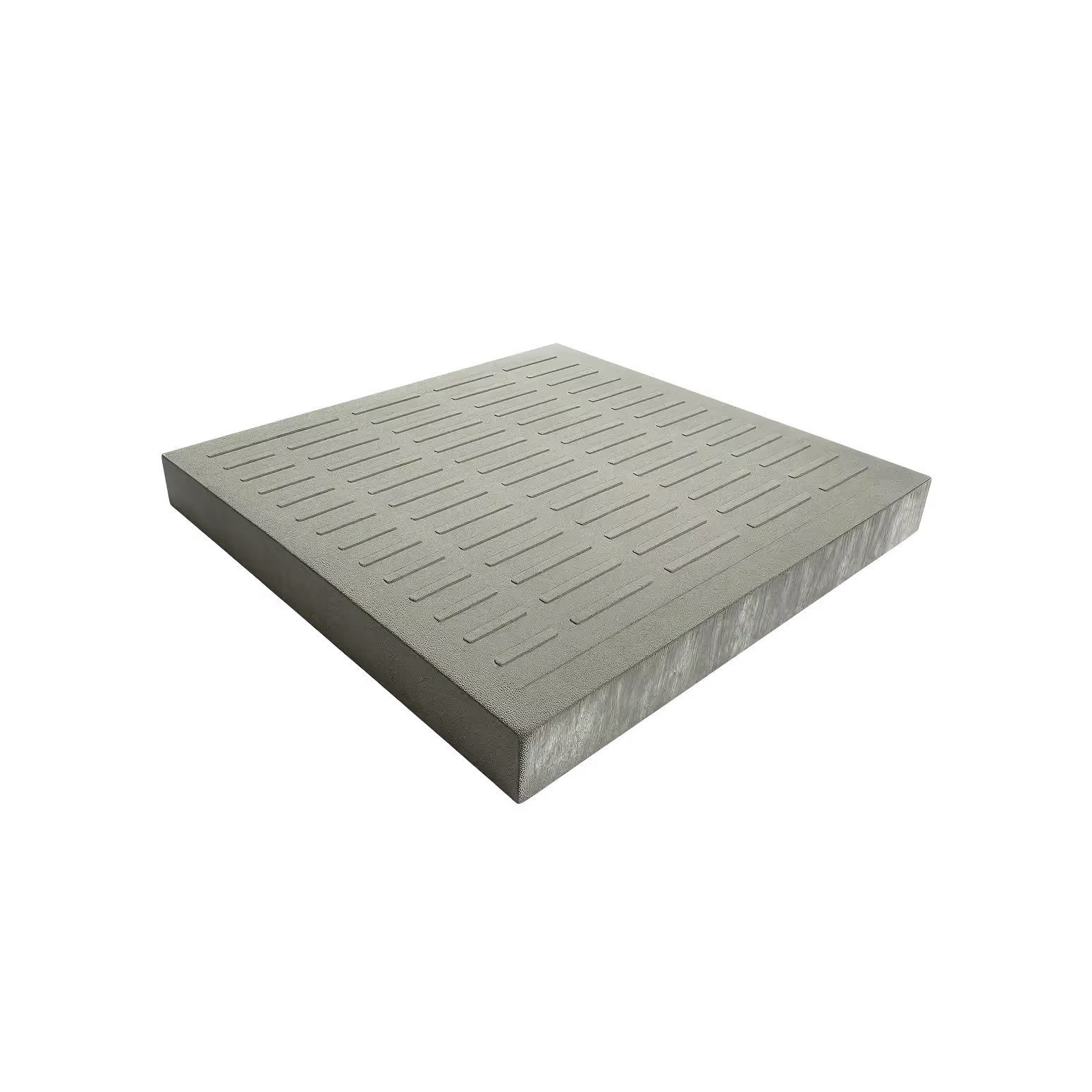
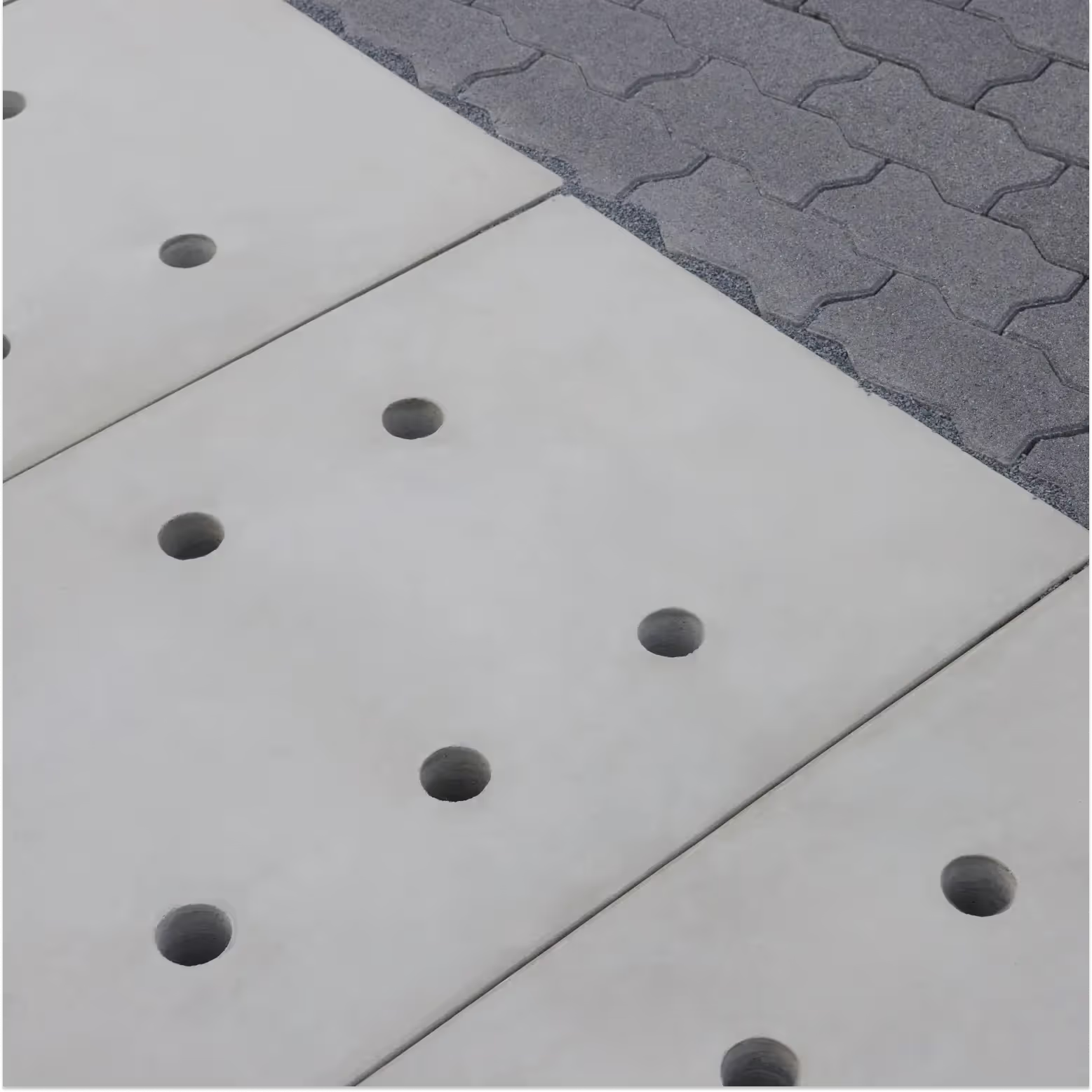
Solid precast slabs and slabs with holes or slots. Solid slabs suit flooring, platforms, building entrances, and paving. Slabs with holes or slots combine load-bearing performance with water infiltration - ideal for parking lots and building entrances.
Why choose precast slabs over cast in-situ slabs?
Uniform thickness, superior surface finish, and no on-site curing wait time. Factory-controlled production ensures consistent strength across every unit - eliminating the variability and delays that in-situ slab casting introduces on active sites.
Do holes or slots in precast slabs compromise structural strength?
No. Slabs with openings are structurally engineered to account for them - the design maintains required load performance. The openings are calculated, not cut.
Can precast slab dimensions and opening patterns be customised?
Yes. Both slab dimensions and the size, arrangement, and number of holes or slots can be specified based on your functional, load, and drainage requirements.
What load capacity do Basant Betons precast slabs support?
Solid slabs are designed to handle live and dead loads as per project specification. Slabs with holes or slots are rated for medium traffic - suitable for parking and building entrance applications where vehicles regularly load the surface.
Chambers and Tanks
What precast chambers and tanks does Basant Betons manufacture?
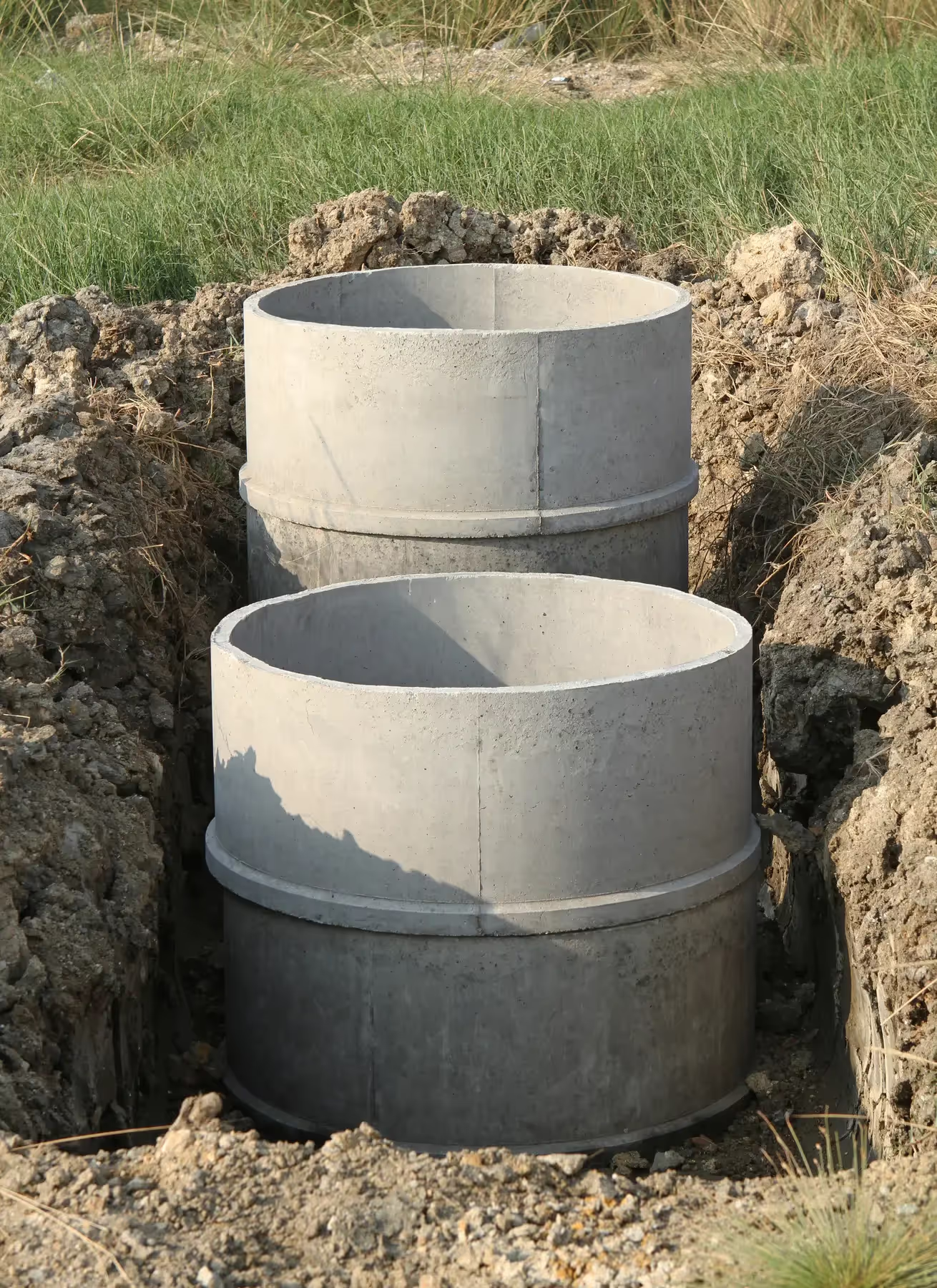
Precast septic tanks and precast manhole chambers - both engineered for underground conditions, designed for long service life, watertightness, and structural stability under soil pressure and traffic loads.
Why choose a precast concrete septic tank over a site-built one?
Factory-controlled casting delivers consistent watertightness that site-built tanks cannot reliably achieve. Our septic tanks are manufactured to IS standards, resist groundwater contamination, corrosion, and structural deformation, and install far faster than in-situ alternatives - with no risk of the quality variance that comes with on-site casting.
Why use precast manhole chambers instead of brick manholes?
Structurally stronger, leak-resistant, and significantly faster to install. Precast manholes offer a consistent internal finish for smooth flow and easy maintenance, and are built to perform in aggressive underground conditions over the long term - without the mortar joint failures and infiltration issues common in brick manholes.
Does Basant Betons manufacture manhole covers and frames?
Yes. Covers and frames are manufactured at our facility.
Are precast septic tanks and manholes available in custom sizes?
Yes. Capacities, layouts, and dimensions can be configured based on site requirements and applicable IS standards.
Bespoke and Architectural Products
What bespoke precast products does Basant Betons offer?
Ventilator grills and jaalis, concrete louvers, bollards, and custom architectural elements engineered to your design brief - products that sit at the intersection of structural performance and architectural intent, suited for commercial and high-end residential projects.
What are precast concrete jaalis and ventilator grills used for?
Controlled light, airflow, and privacy through repeatable geometric patterns - suitable for interior and exterior applications. Highly durable, weather-resistant, and available in large and small formats. Patterns are fully customisable.
What are precast concrete louvers used for?
Architectural screening - individual vertical precast units assembled on-site to form linear grills or facade screens. A permanent, robust alternative to metal louvers that deliver visual rhythm, shadow play, and depth on facades. Spacing is decided at installation for design flexibility.
Are concrete louvers structural elements?
No. They are non-structural architectural elements - manufactured as single-piece precast units and assembled on-site for screening, privacy, and visual design.
What is the precast concrete bollard and how can it be used?
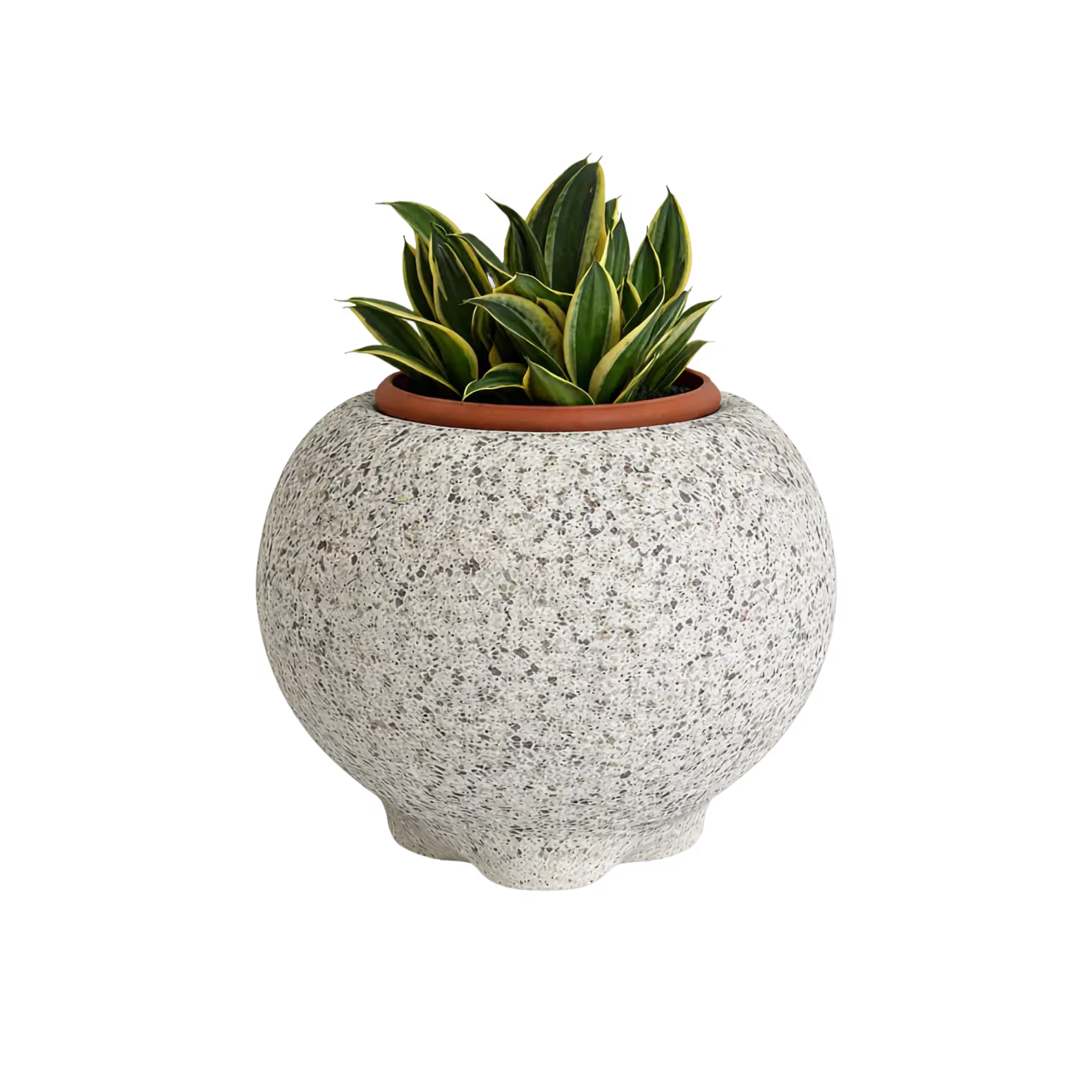
A solid, heavy precast unit with a clean minimalist profile. It functions as a side table paired with our bench, a plant or ornament stand, or as a bollard when placed in multiples. Its weight provides stability through heavy winds with no anchoring needed. Available in mono colours and washed finish, orderable as a single piece.
Can Basant Betons manufacture fully custom precast elements outside your standard range?
Yes. Our engineering capability and precision Japanese design moulds allow us to produce non-standard geometries, profiles, and finishes beyond the standard catalogue. Together we can match your intent.