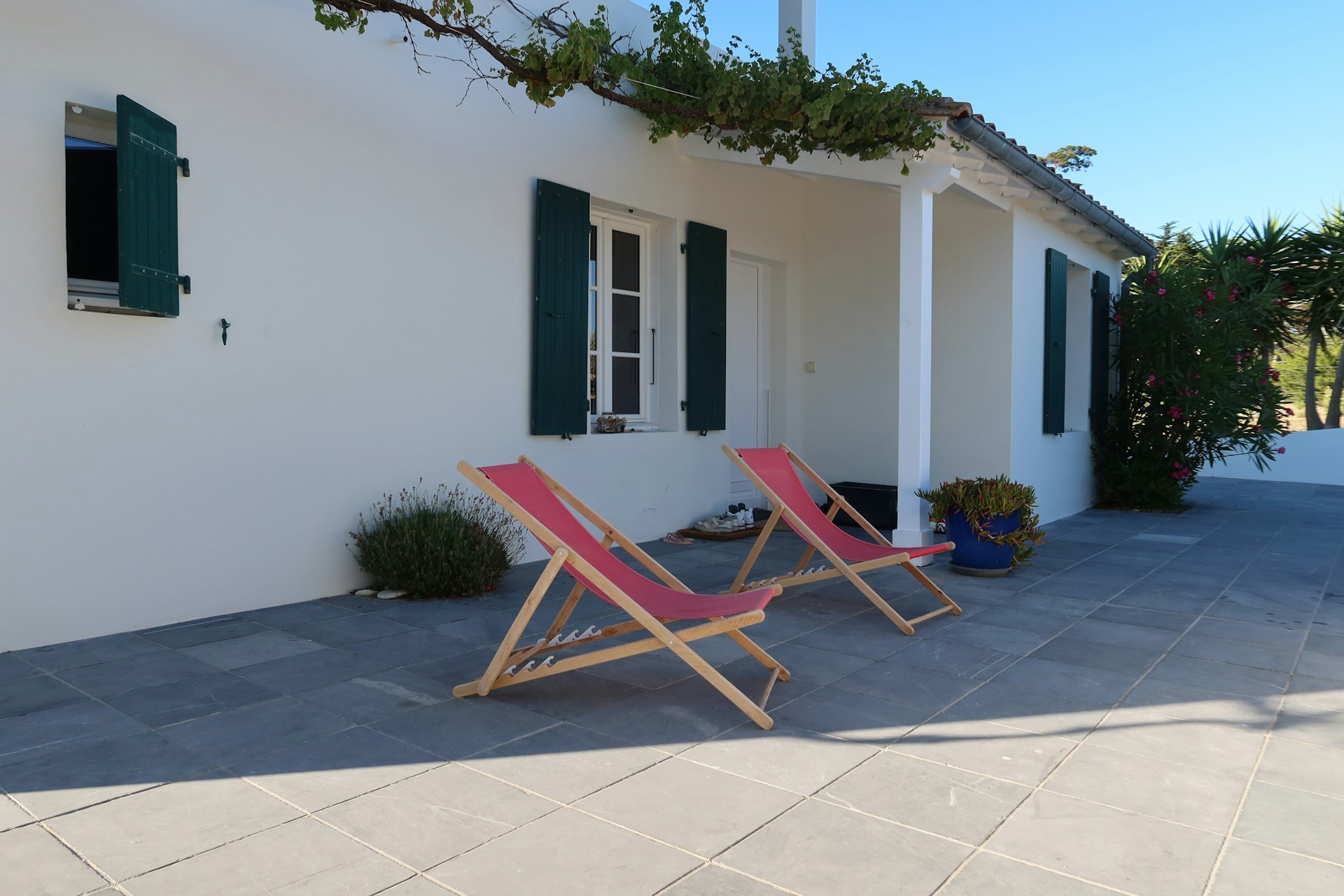

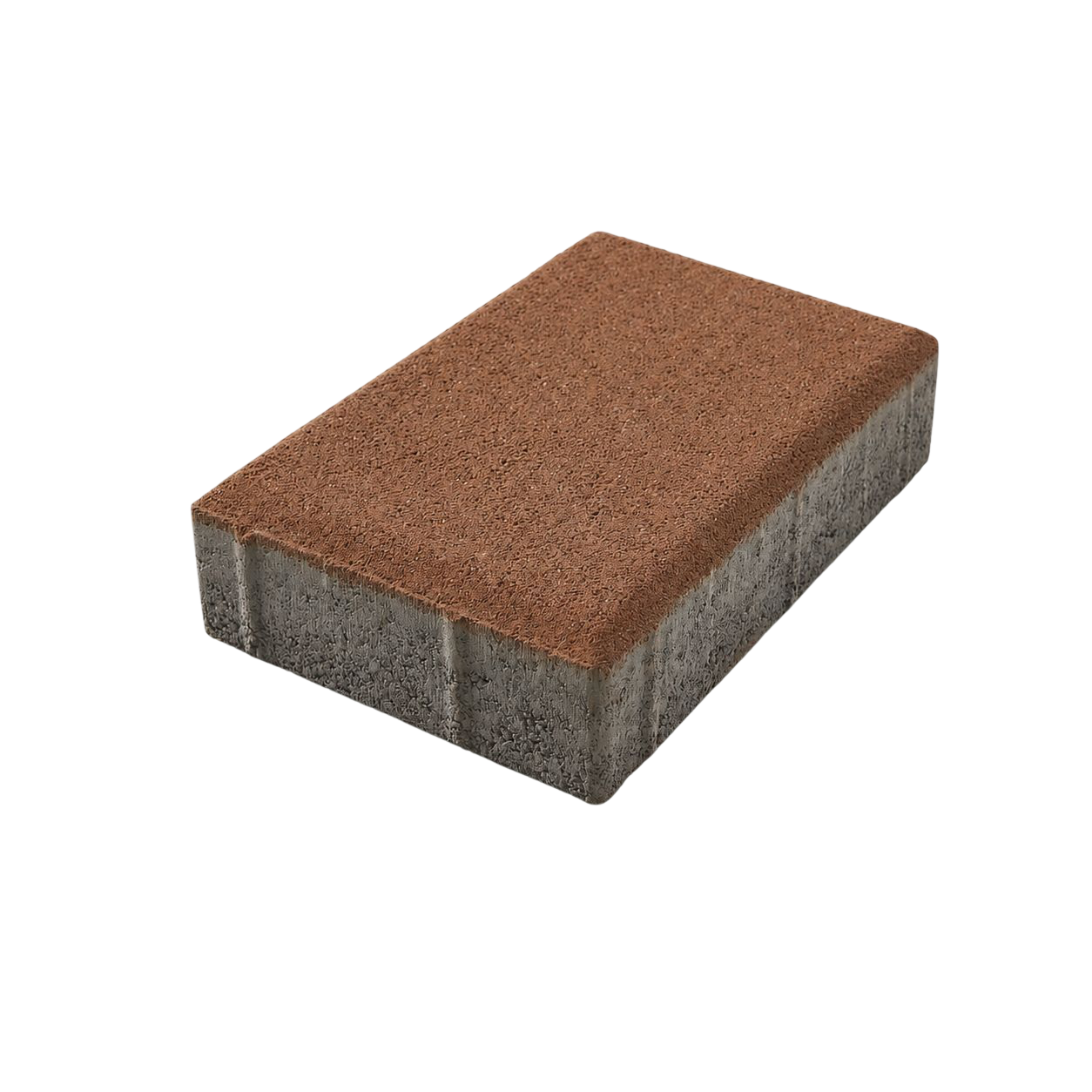
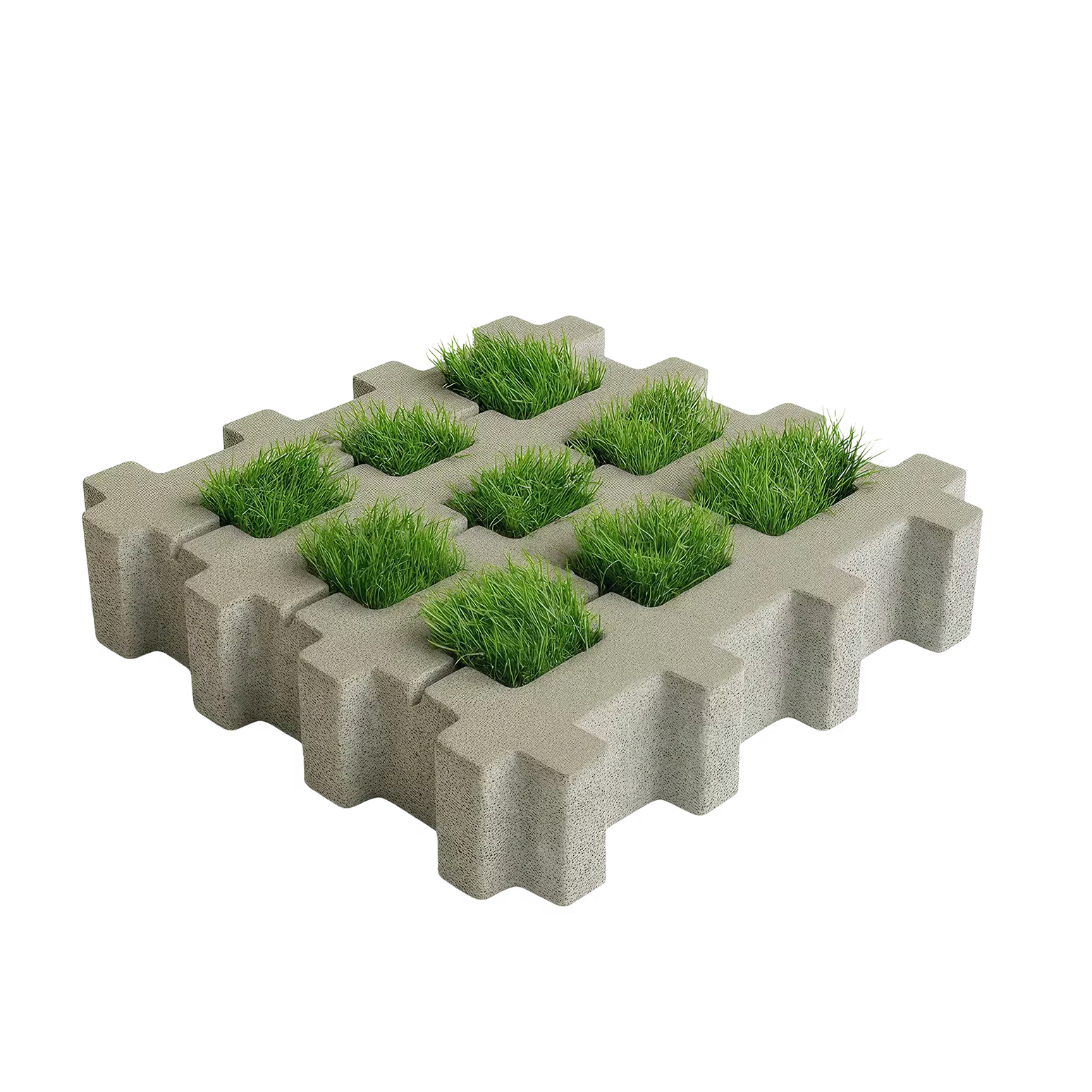
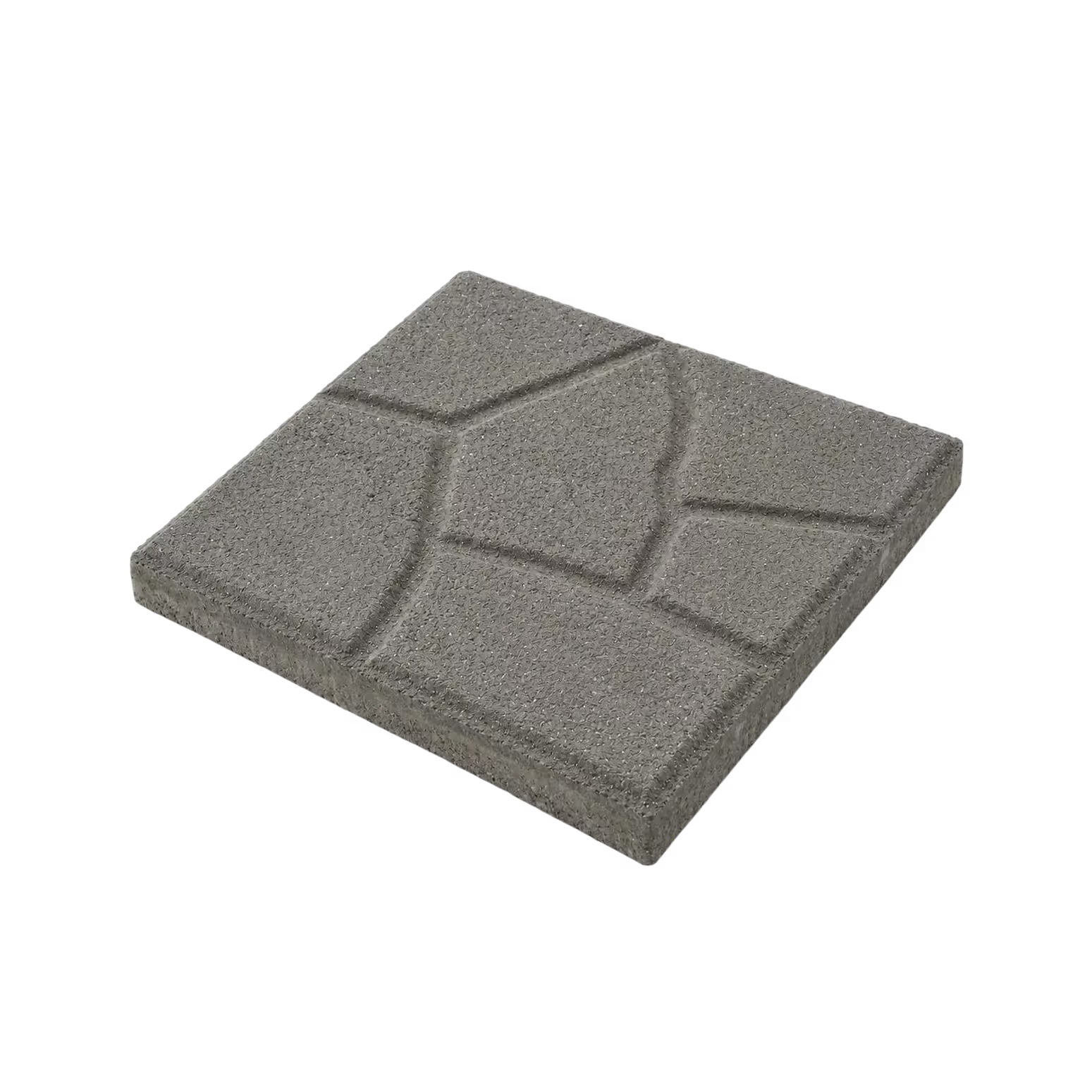
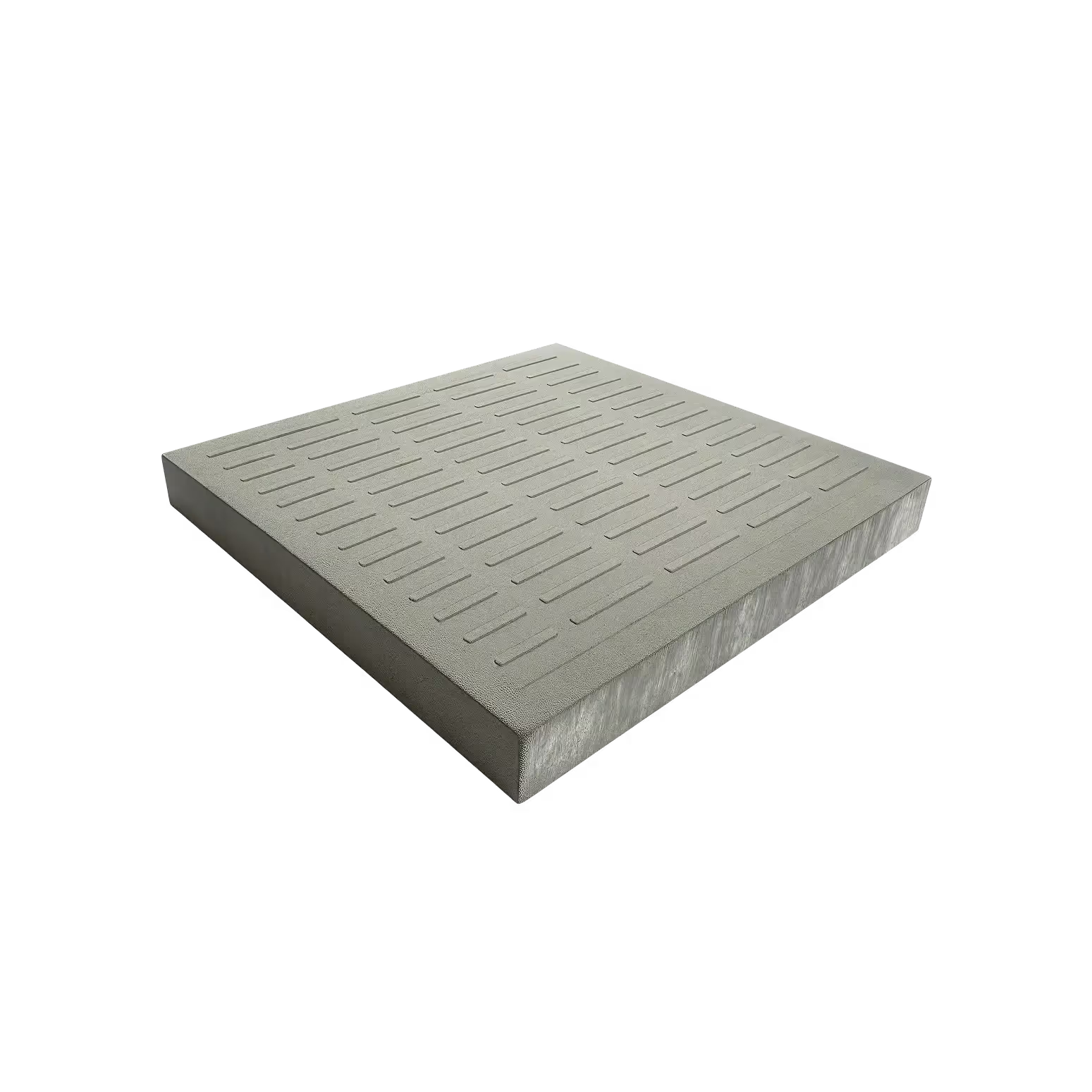
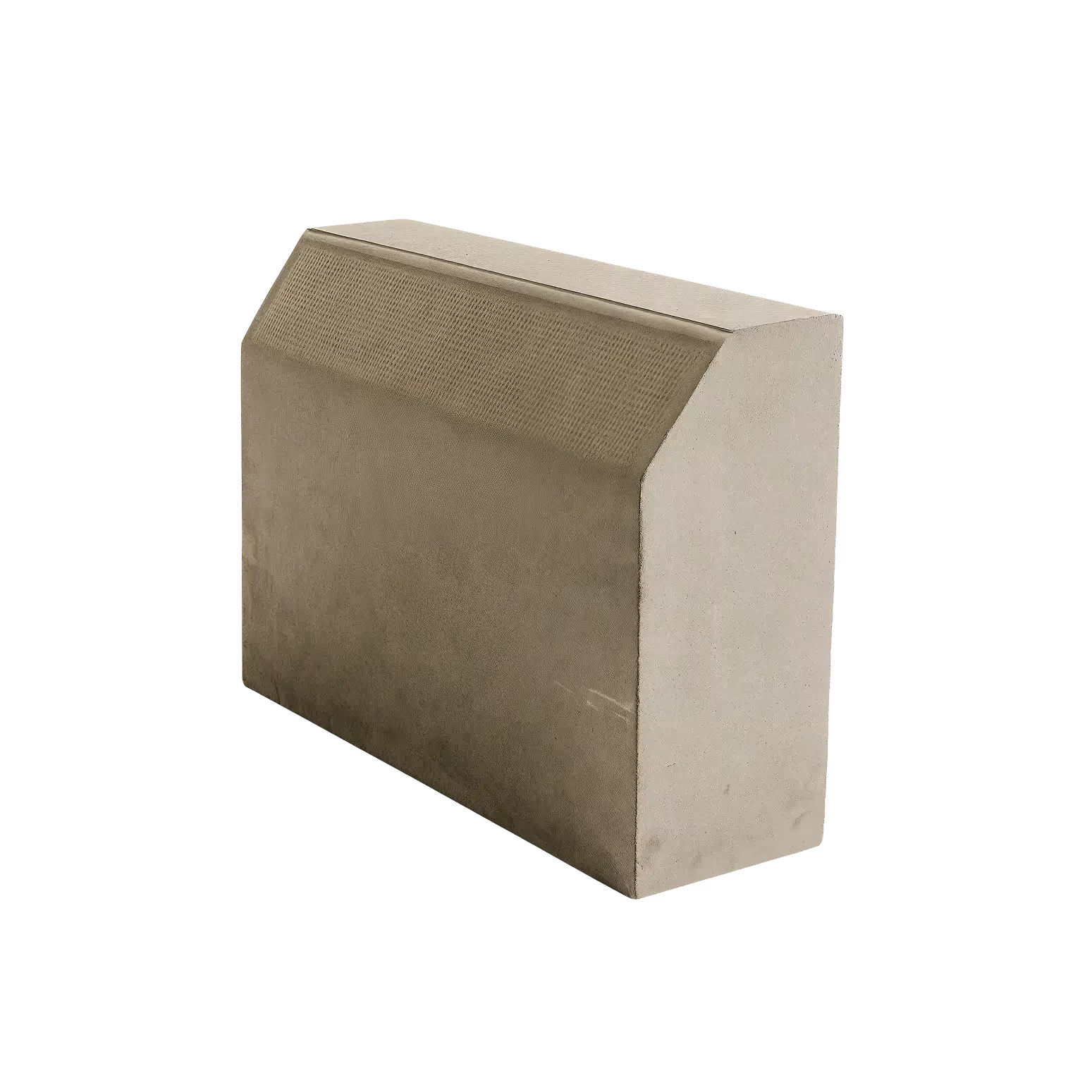
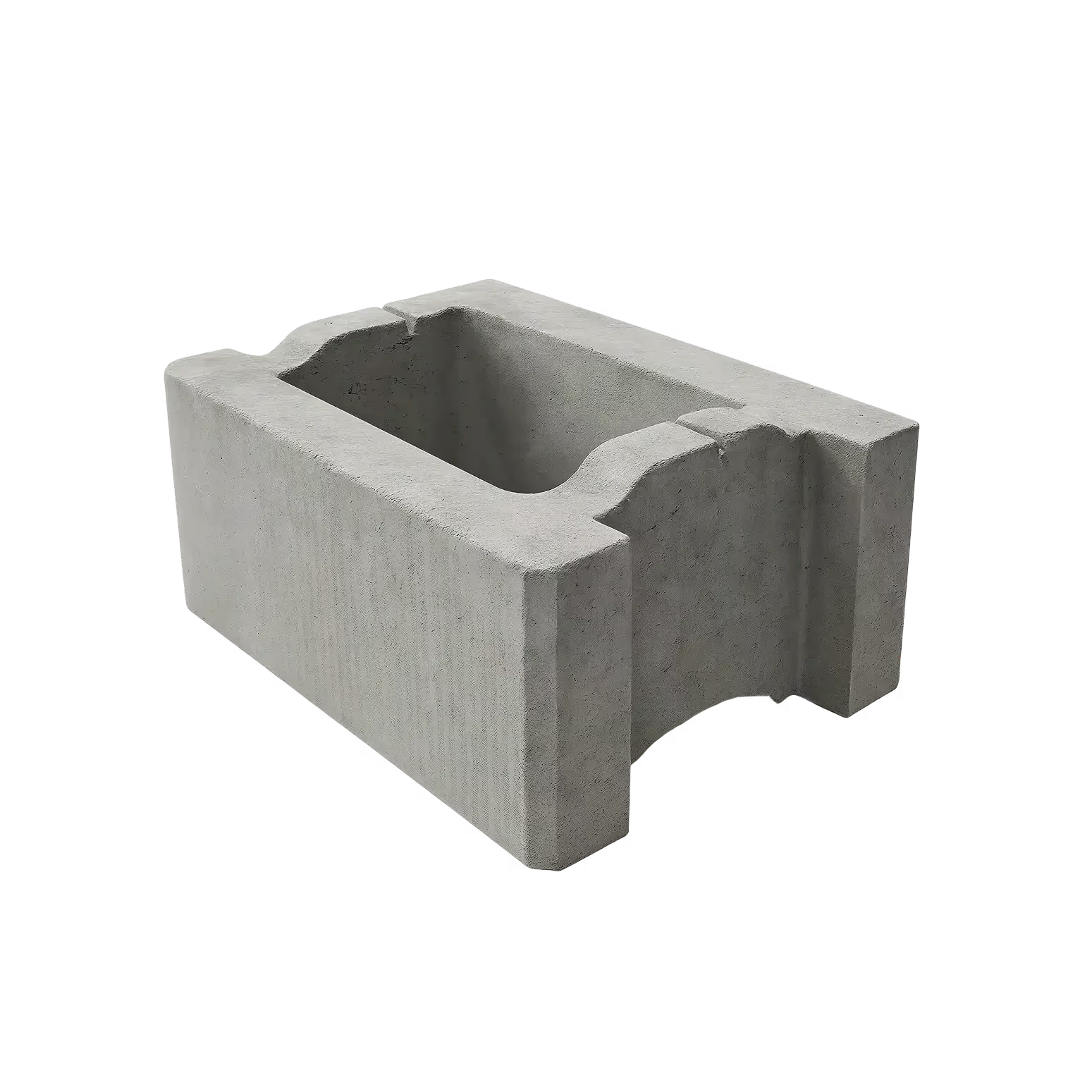


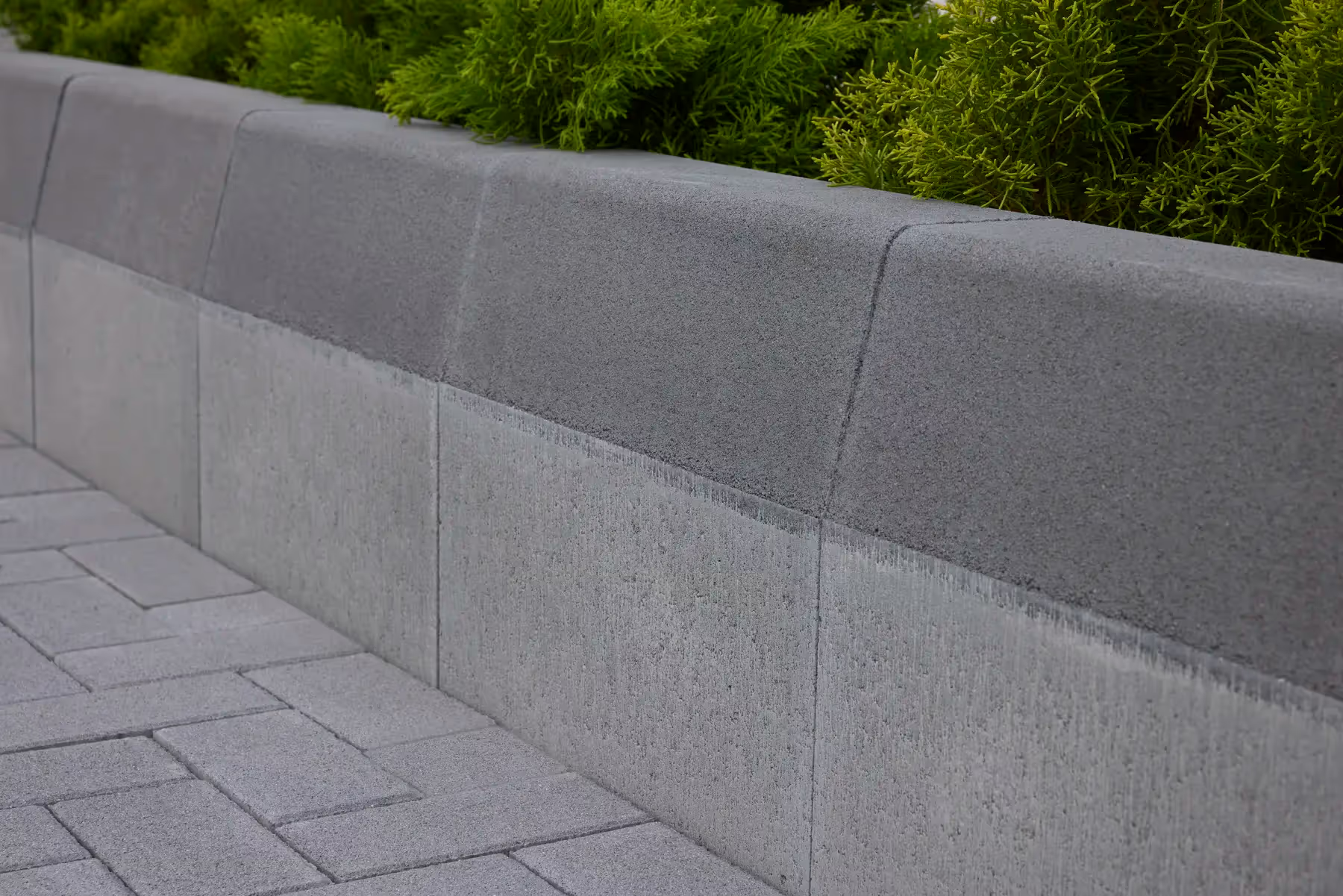
“Do we really need kerbs?” is a question we’re sometimes asked. While concrete pavers, tiles and flagstones are universally understood to be essential while creating hardscapes, the functions of kerbs are overlooked. The truth is, kerbs aren’t an optional add-on; they’re an essential component of a hardscape, whether it’s a driveway or garden path.
1. Kerbs lock pavers in place
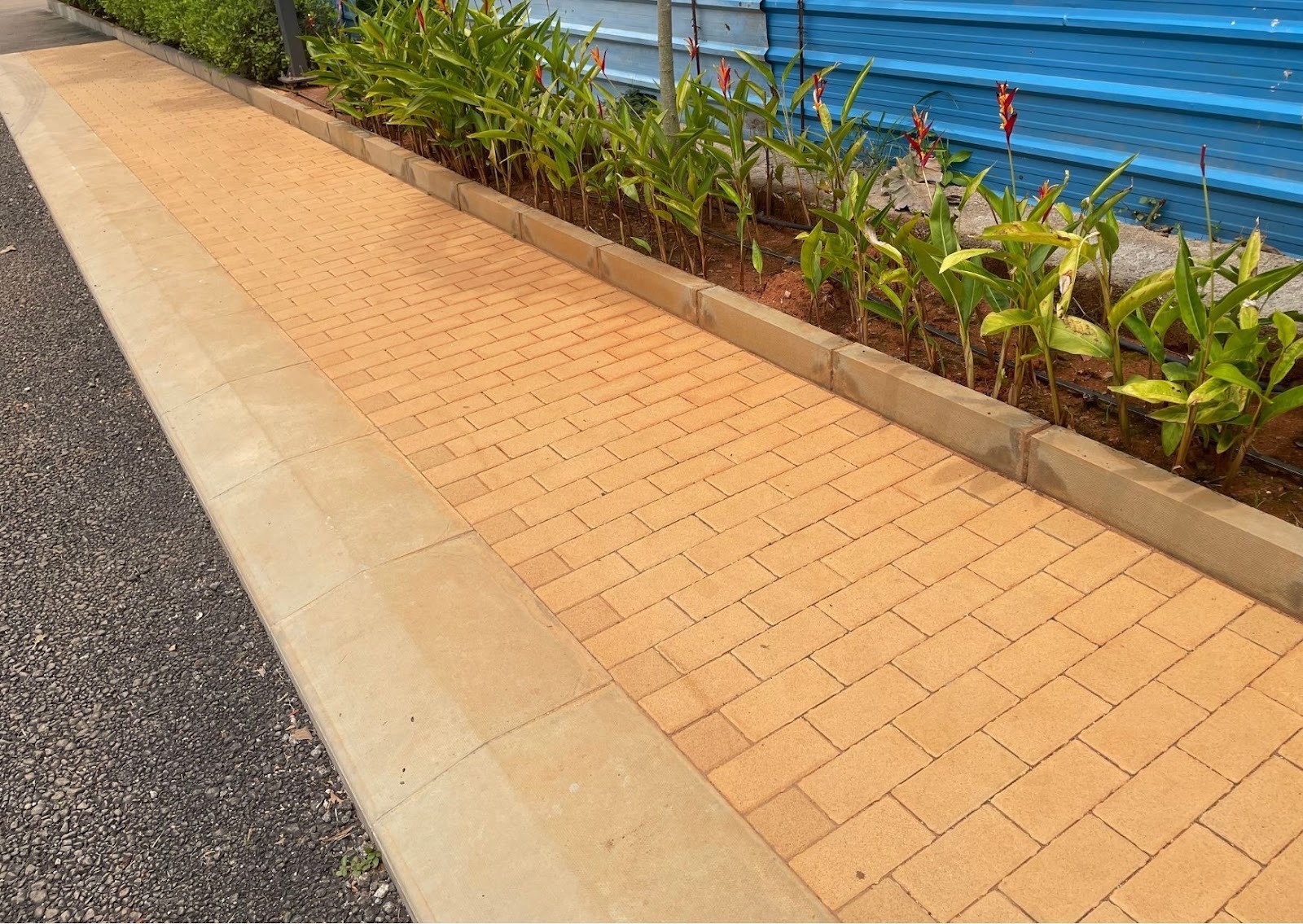
Think of the kerb as a frame that you create along a hardscape. This edge restraint acts as a wedge between the soil and concrete pavers or tiles, preventing displacement and improving the structural integrity of the hardscape. Thanks to kerbs, pavers are less likely to sink into the soil or separate under heavy loads.
2. They amplify visual impact
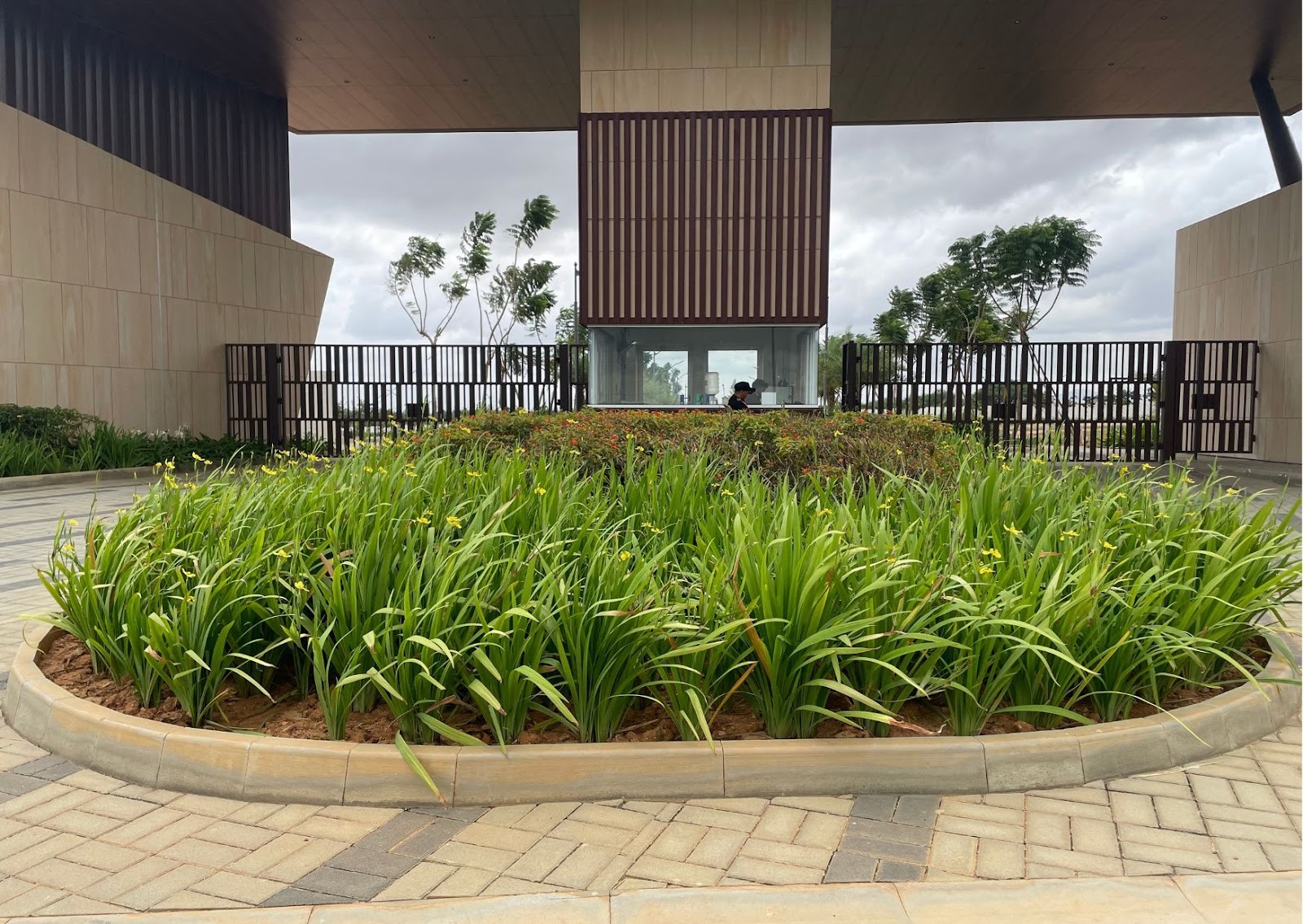
Concrete kerbs make hardscapes appear more structured and neater, and also prevent soil from staining the hardscape. They can also complement the design language of a space. Kerbs can be laid flush with the surface to support a minimalist aesthetic or they can be highlighted to have a more pronounced effect.
3. Kerbs channel away excess water
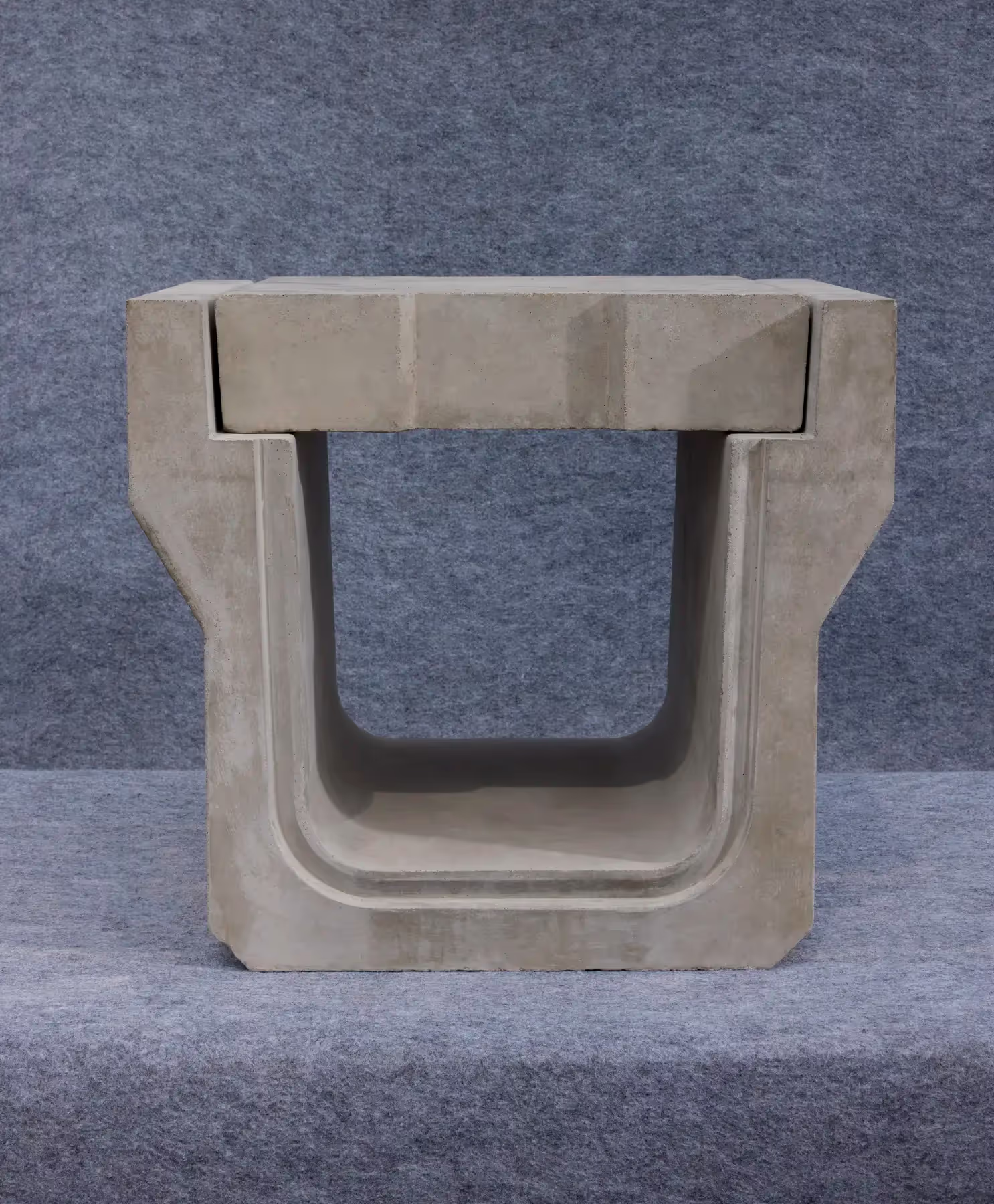
Kerbs affect where water gets collected and how it’s directed into drainage systems. Ineffective installation can lead to water pooling on the hardscape and causing water damage. Certain designs like L-shaped precast kerbs serve as edge restraints as well as water channels and save installation time.
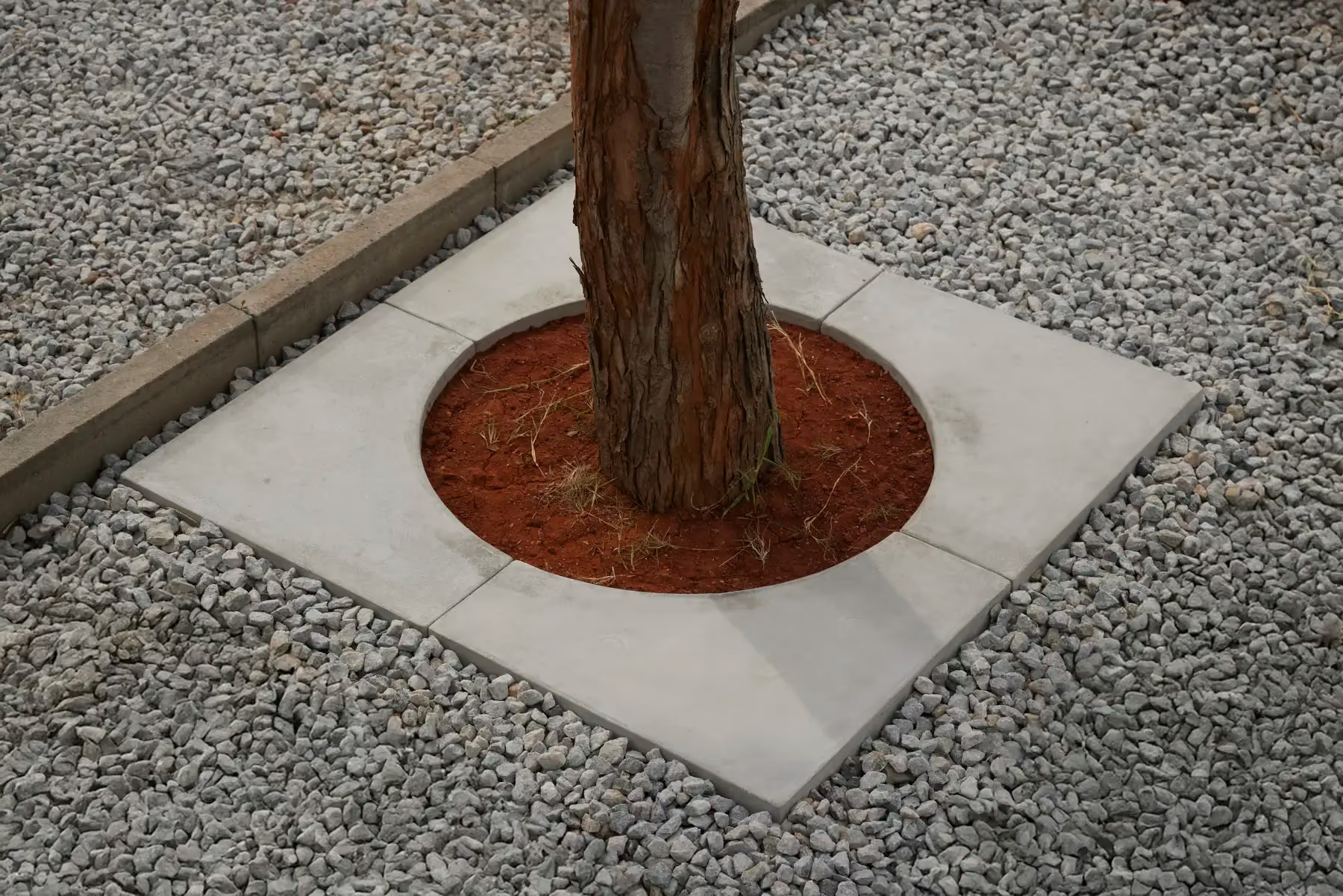
4. Segmental kerbs support root systems
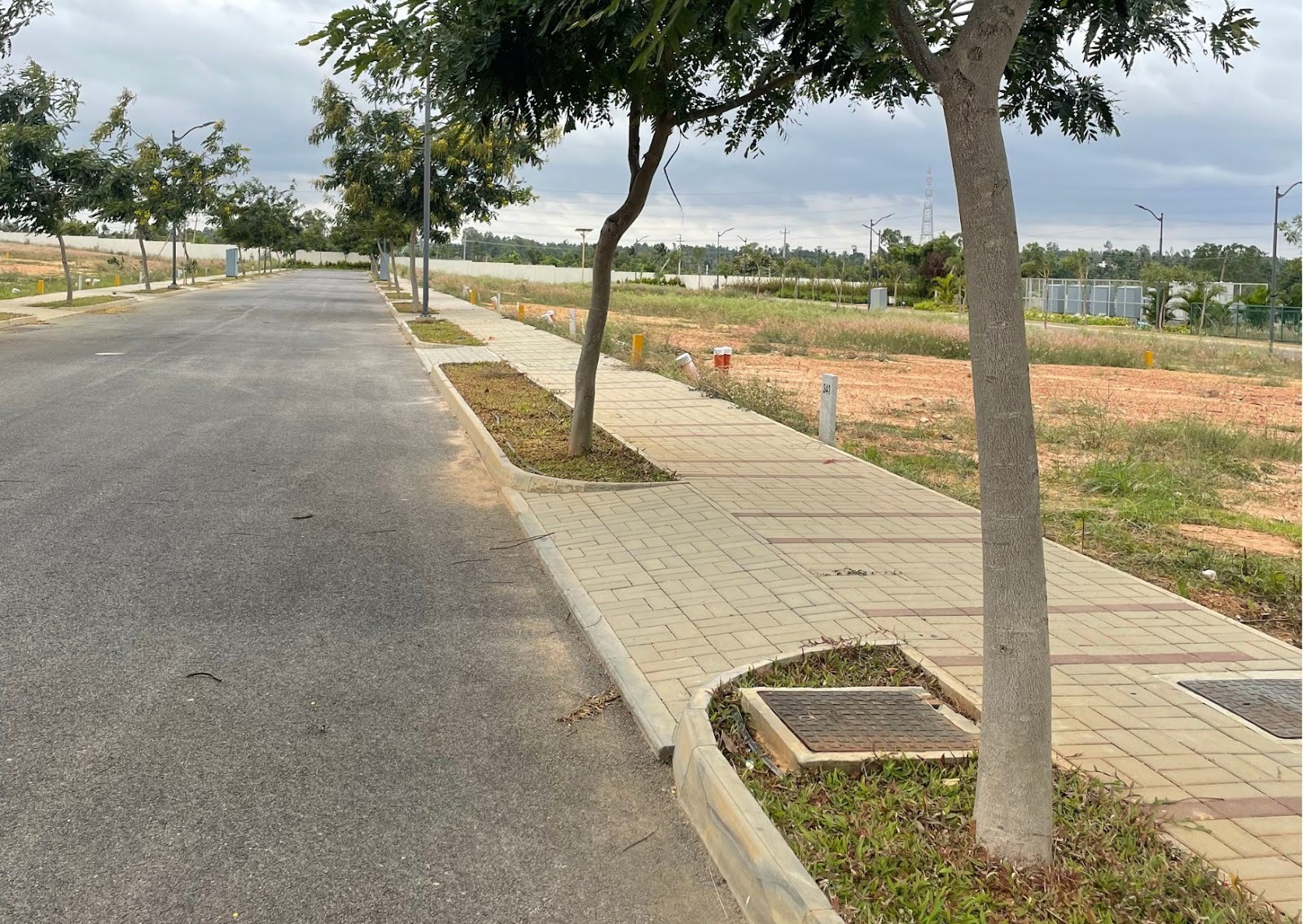
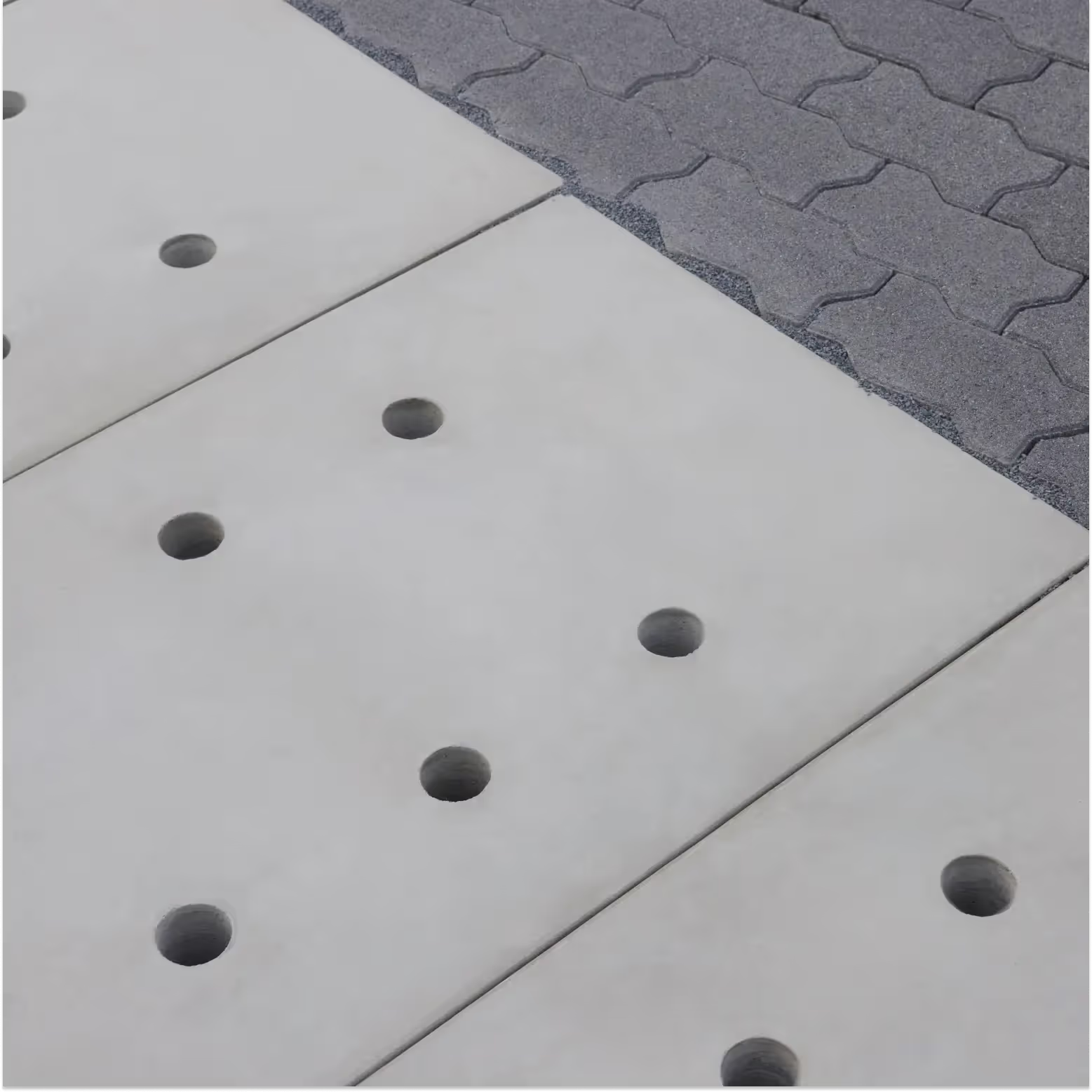
When modular kerbs with discontinuous haunching are placed around trees instead of rigid concrete rings, the hardscape becomes more root-friendly. The additional spaces created by the kerbs support air circulation and water percolation in the soil without compromising the strength of the structure.
5. They can lower maintenance costs
By improving structural integrity, kerbs can make hardscapes more long-lasting. Lower chances of damage and displacement lead to longer lifecycles. Kerbs themselves are easy to maintain. They’re robust and can endure erosion and vehicular damage, while chipped kerbs can be easily replaced without disturbing the overall structure.
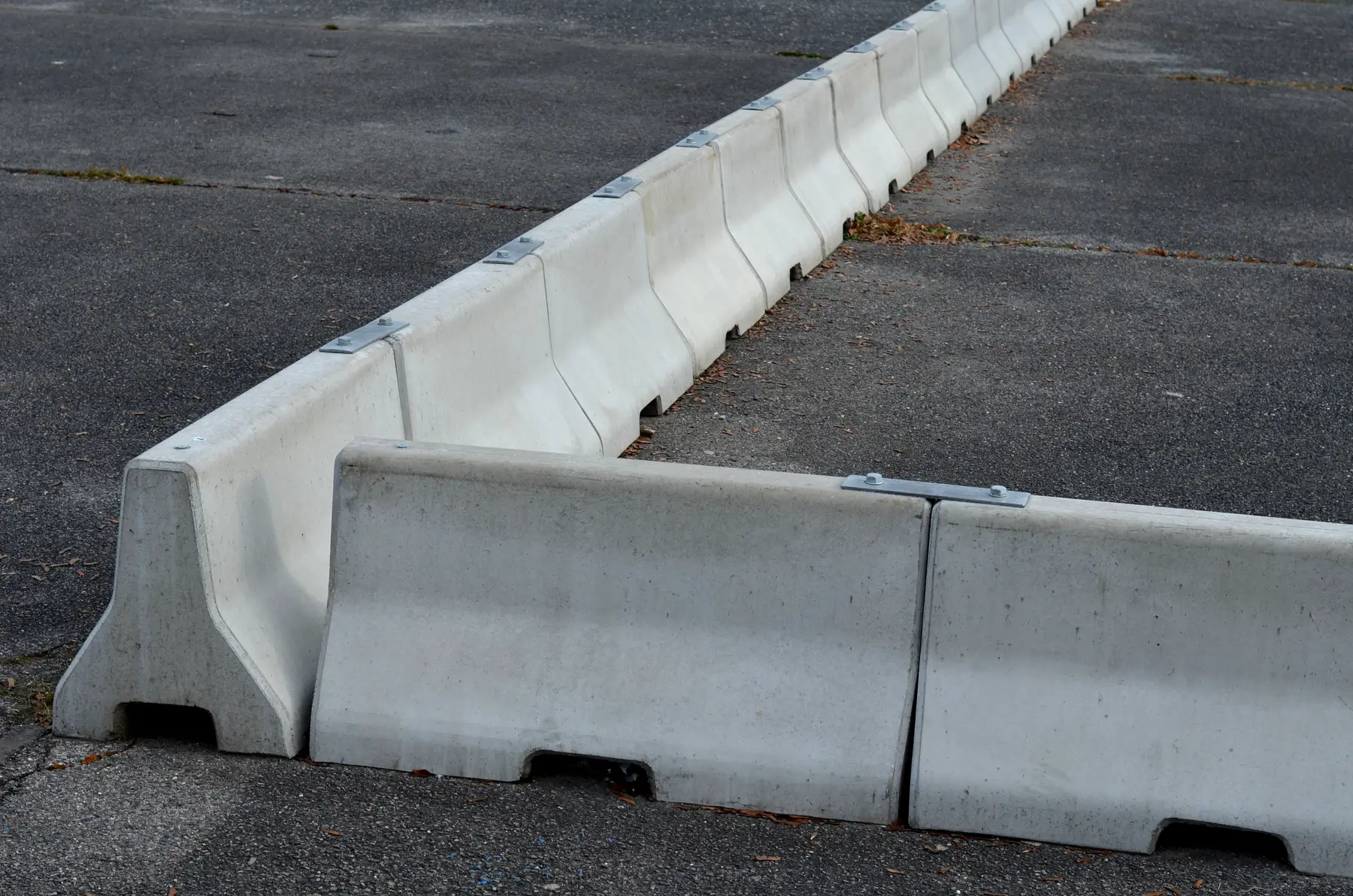
While they’re commonly thought of as boundary segments, kerbs are evolving into products that can also impact the environment, combat the effects of heavy rains and add to the design of a hardscape. They’re now available in a range of shapes and sizes, each serving a unique yet essential function. For example, half-batter kerbs are ideal for traffic zones and the sloping dropper kerbs are designed to accommodate vehicular movement at entryways and parking bays. Meanwhile, the bull-nose kerb’s a better fit for transition zones like bus stops; with its blunt edge, it won’t be a trip hazard for alighting passengers.
Whether you’re looking for a bull-nose or a splay design, our complete portfolio of concrete kerbs can be viewed here. Our team would also be happy to assist you with recommendations, so please write to us at enquiry@basantbetons.com.