



Every wall starts with one small decision, repeated a few thousand times: which block goes in.
Get it right and the wall goes up straight, true and fast. Get it wrong and you pay for it in mortar, plaster, time, and sometimes strength.
Here's the simplest way to choose. Ask what the wall has to do first. Does it carry load? Does it divide a space? Will it be seen? Then pick the block, and only then the colour and finish.
This guide compares our solid and hollow concrete blocks side by side: their sizes, their strengths, and where each one belongs.
Solid vs Hollow Concrete Blocks at a Glance
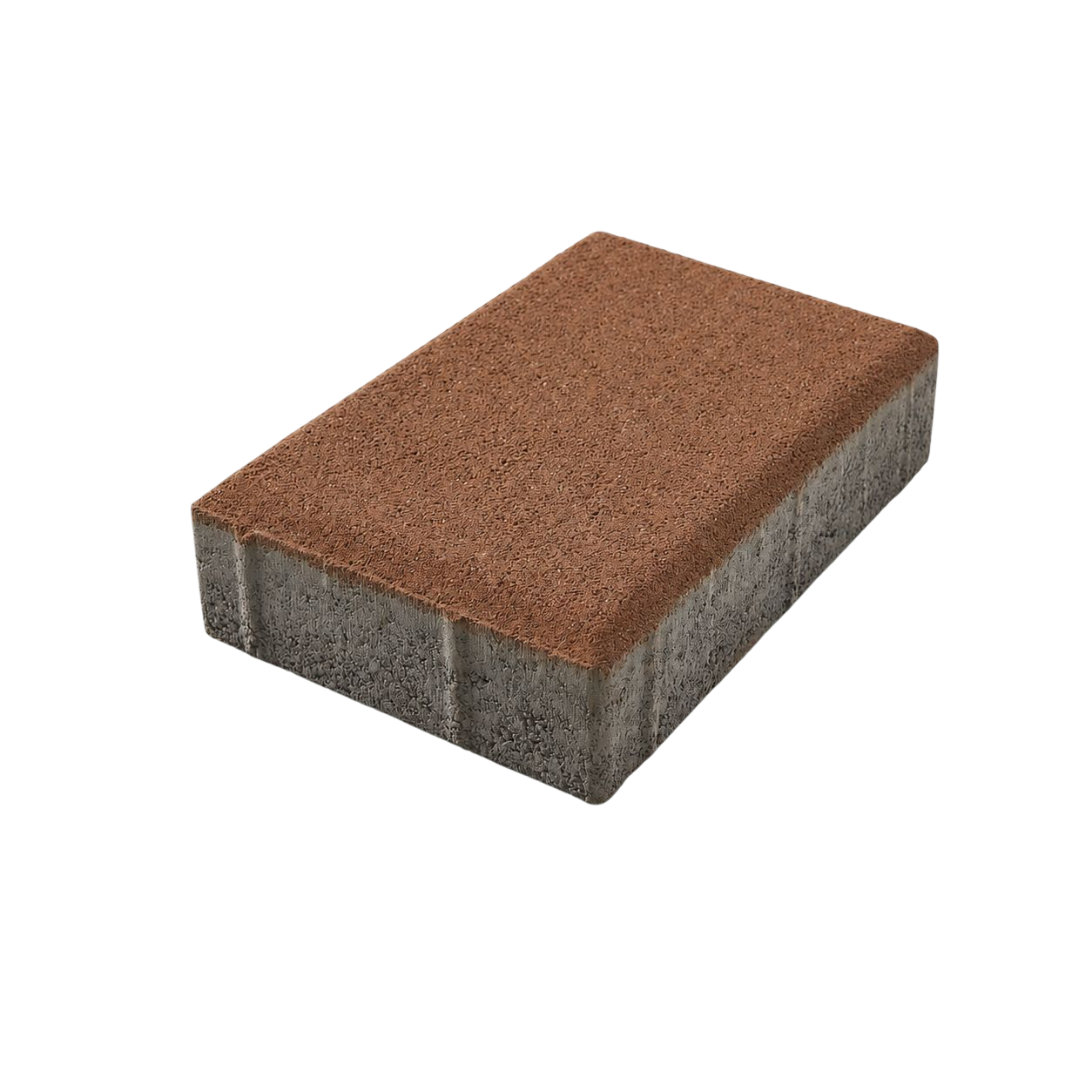
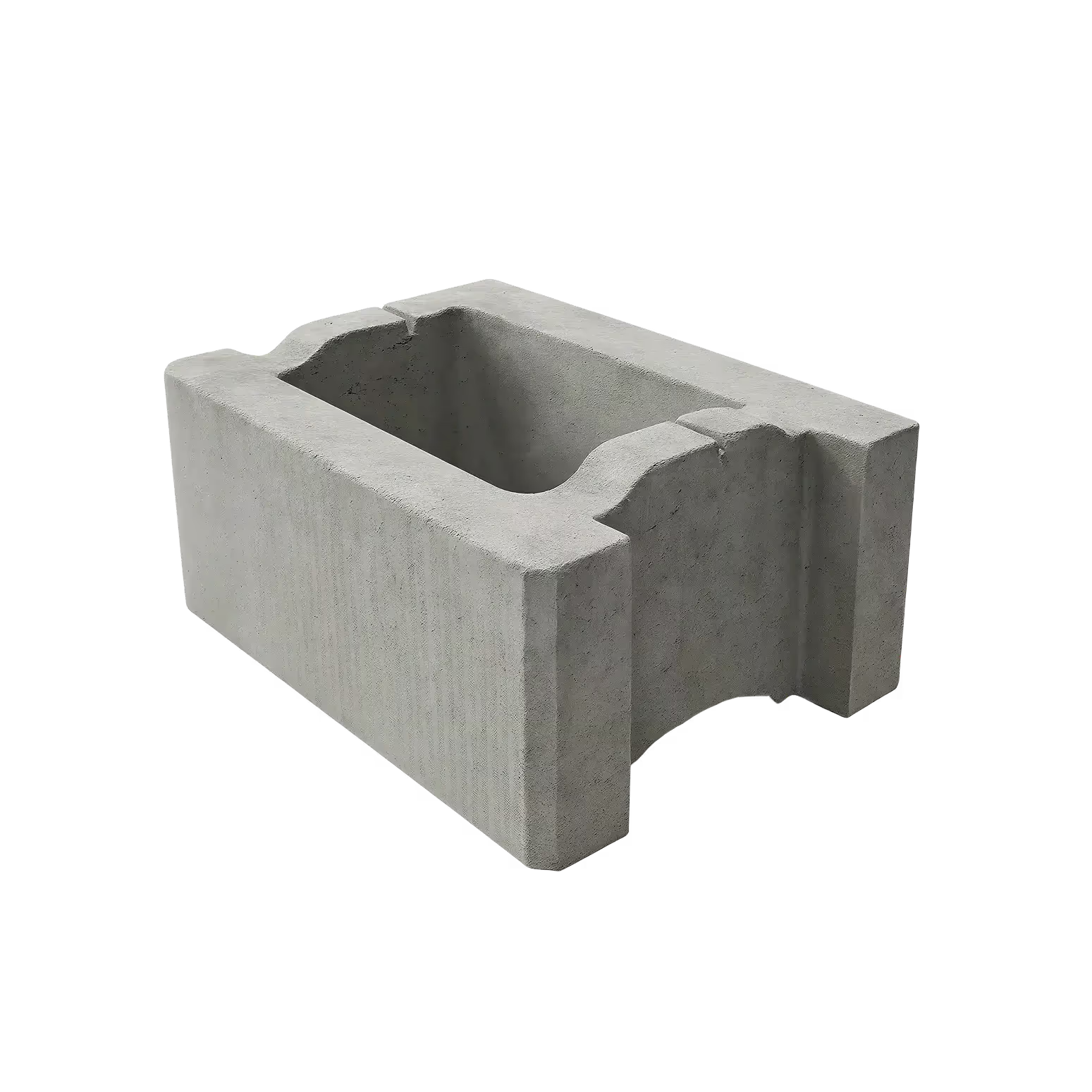
A solid block is concrete all the way through. A hollow block has open centres, framed by thick edges and a solid back. That one difference shapes how each block behaves in a wall.
| Solid blocks | Hollow blocks | |
|---|---|---|
| Build | Solid concrete throughout | Hollow centres with thick frames and a solid back |
| Face size | 390 x 190 mm | 390 x 190 mm |
| Thickness | 100, 150 or 200 mm (4, 6 or 8 inches) | 150 or 190 mm (6 or 8 inches) |
| Weight | Heavier | Lighter, faster to lay |
| Load-bearing | Yes | No |
| Finish | Smooth (fine) or rough | Rough |
| Plaster | Minimal or none | Minimal or none |
| Best for | Load-bearing walls, finished walls, decorative elements | Internal walls, exposed industrial looks, lattice features |
Solid Blocks: Strength You Can Paint Straight Onto
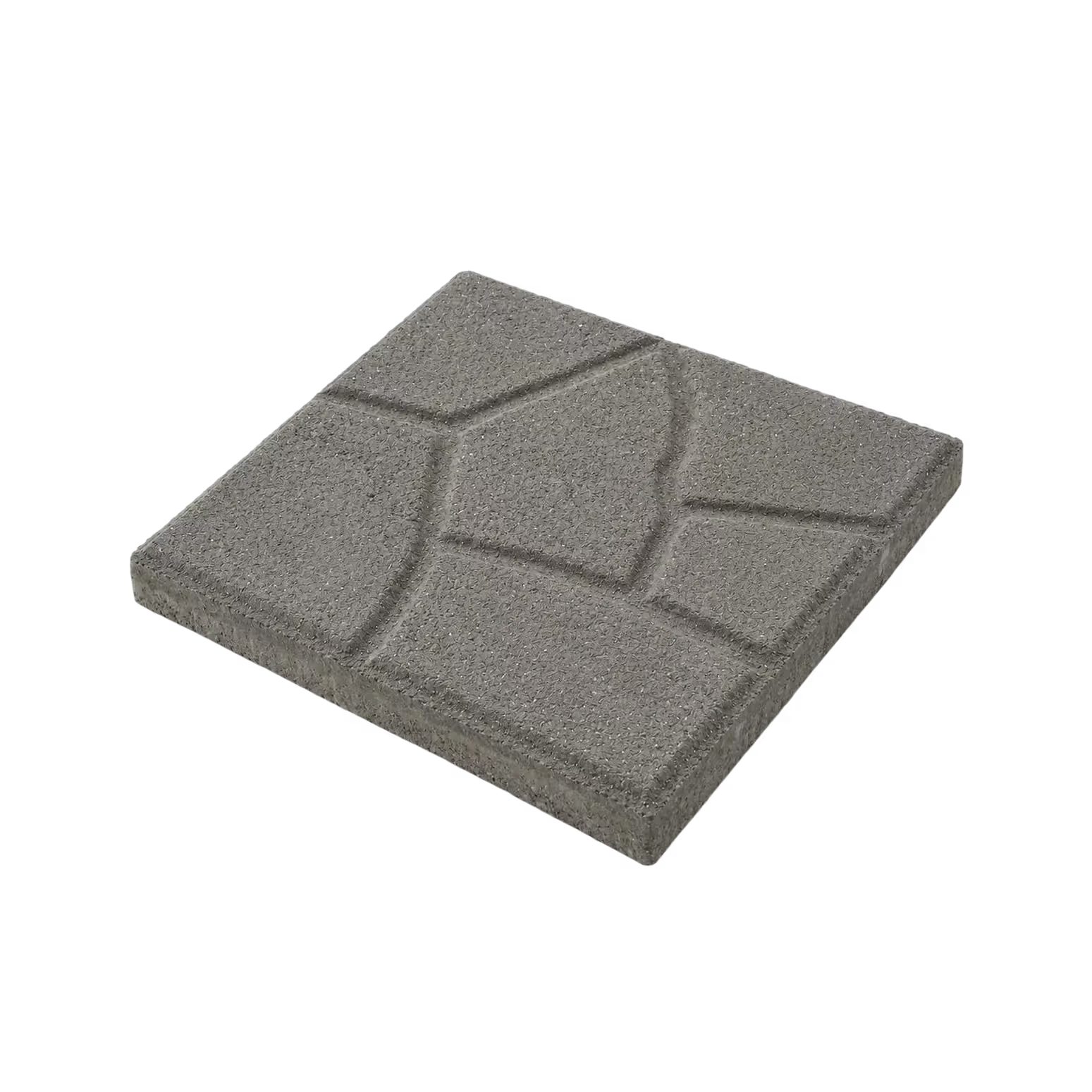
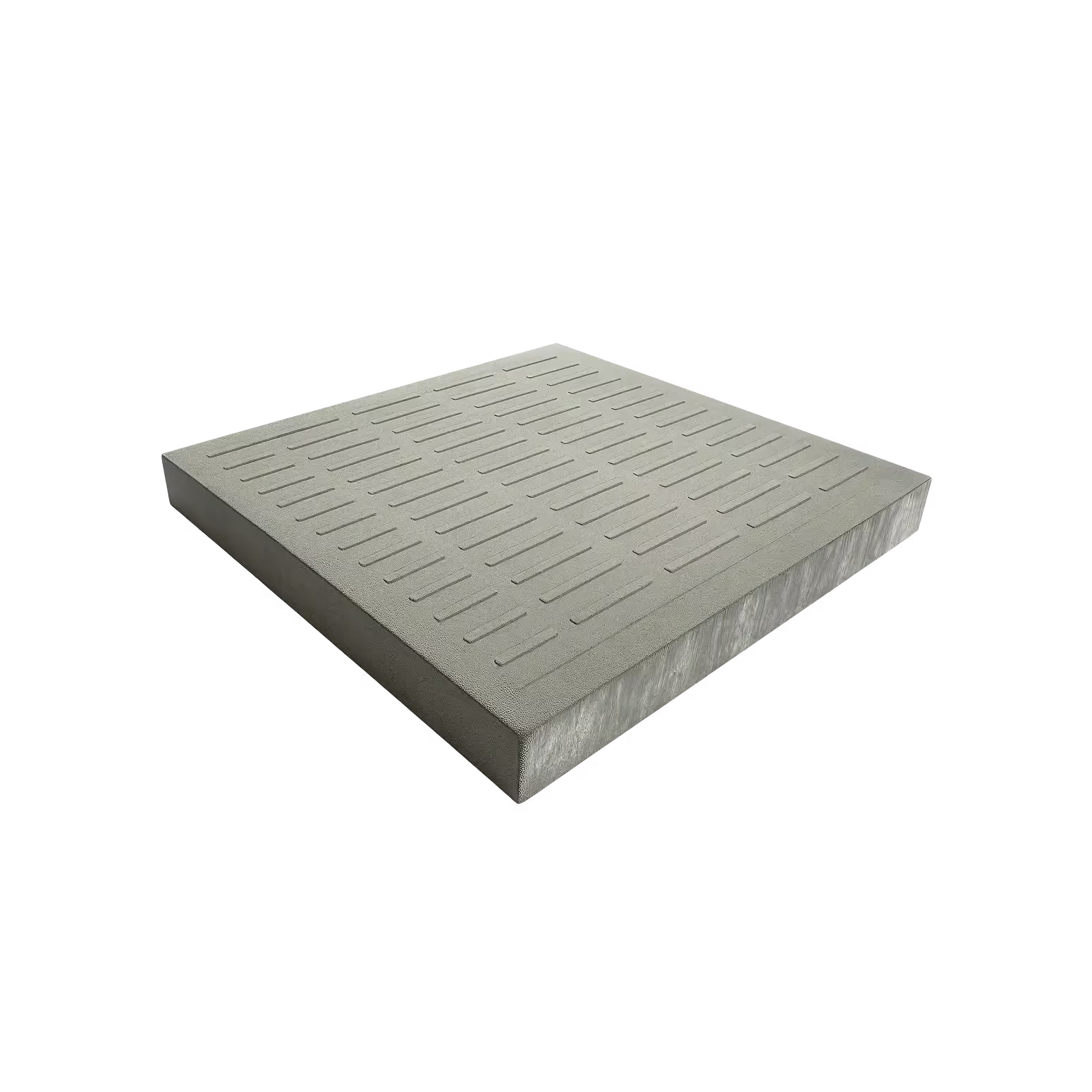
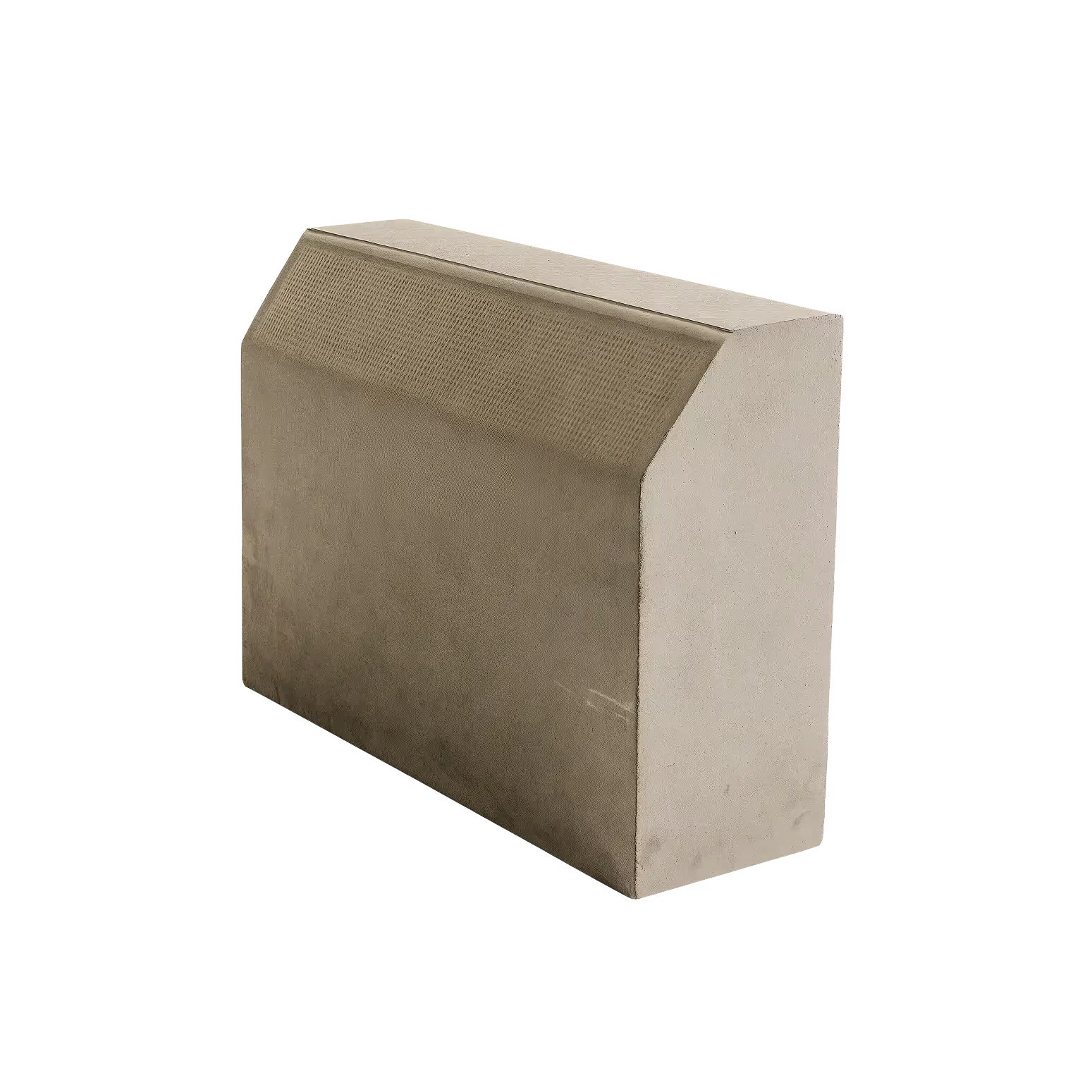
Our Solid Blocks are precision-engineered in high-grade concrete. They are built for walls that need to be strong and look finished.
Sharp edges, less mortar. Clean lines and uniform sizing let each block sit tight against the next. That cuts down the mortar needed between them.
Minimal or no plaster. Because the surface is even and the contours are precise, plastering can be significantly reduced or skipped altogether. The blocks can be painted immediately after installation.
Pre-coloured in the factory. Choose from solid and blended shades, including terracotta, brown, black, grey, yellow and red. A pre-coloured block needs no painting on site at all. You can also choose a fully coloured block, if your wall will be visible from two sides, or a face-layer coloured block, if your wall is visible only from one side.
Two finishes.
- Smooth (fine): a fine particle, refined surface
- Rough: a granular appearance and texture
Load-bearing capacity. With three thicknesses, from 100 mm to 200 mm, solid blocks cover everything from decorative elements to load-bearing walls.

Hollow Blocks: Lighter, Faster, for Internal Walls
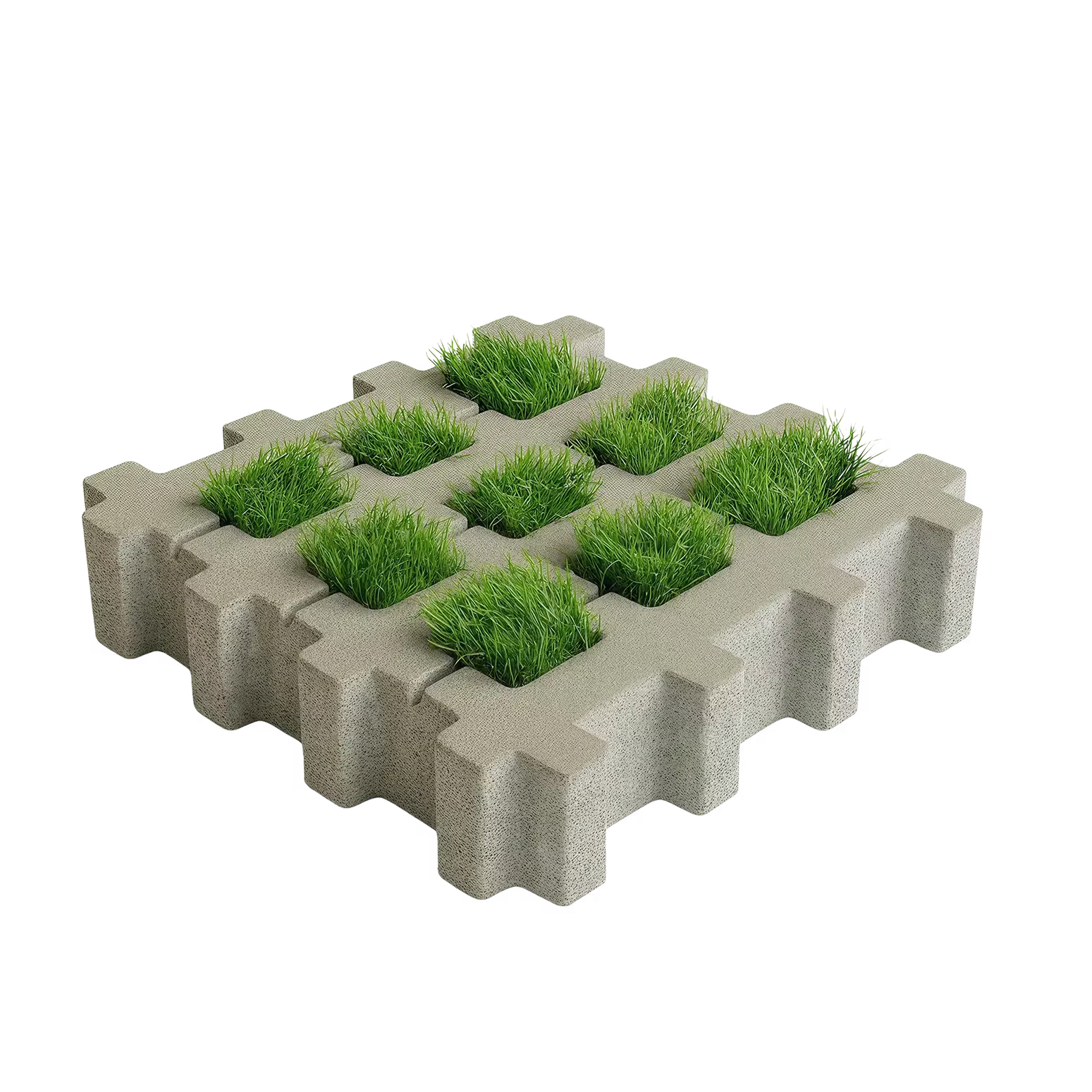
Our Hollow Blocks have hollow centres balanced by wide edges, thick frames and a solid back.
Lighter and quicker to build with. Less concrete per block means less weight to lift and set. Combined with precise dimensions and batch-to-batch uniformity, walls go up faster.
Made for internal walls. Hollow blocks are not load-bearing. They are best suited to internal walls and partitions, where the structure is carried elsewhere.
An industrial look, left exposed. Available in solid and blended shades, hollow blocks can be left unpainted and unplastered for a raw, modern aesthetic. Grey is a popular choice for neutral and industrial schemes.
More than a wall. Designers often use hollow blocks creatively, bringing a perforated or lattice effect into interior features.

Concrete Block Sizes
Both our solid and hollow blocks share the same 390 x 190 mm face. What changes is the thickness, and with it, what the wall can do.
| Block | Thickness | Dimensions |
|---|---|---|
| Solid | 100 mm (4 inch) | 390 x 190 x 100 mm |
| Solid | 150 mm (6 inch) | 390 x 190 x 150 mm |
| Solid | 200 mm (8 inch) | 390 x 190 x 200 mm |
| Hollow | 150 mm | 390 x 190 x 150 mm |
| Hollow | 190 mm | 390 x 190 x 190 mm |
Different applications call for different thicknesses. Share your wall's purpose and dimensions with us, and our team will recommend the right variant for your project.
What Drives Concrete Block Cost
The price per block is only part of what a wall costs. The real number is the finished wall, and several things move it.
- Solid or hollow. A solid block uses more concrete than a hollow block of the same size.
- Thickness. A 200 mm block uses more material than a 100 mm one. Specify the thickness the wall actually needs, not more.
- Colour. A pre-coloured block costs more to make than plain grey, but it can remove painting from the site budget altogether.
- Plaster and mortar. This is where engineered blocks earn their keep. Precise dimensions mean thinner joints and minimal or no plaster, which saves material, labour and time on every square foot of wall.
- Speed of laying. Uniform blocks go up faster. Hollow blocks, being lighter, are quicker still for internal walls.
- Order volume and delivery. The size of the order and the distance to site both shape the final quote.
When you compare quotes, compare the cost of the finished wall: blocks, mortar, plaster, paint and labour together. A cheaper block that needs a thick coat of plaster and two coats of paint can end up costing more. Poor quality blocks also need more maintenance over time, which increases lifetime costs.
Choosing Between Them
- A wall that carries load? Choose solid blocks, in the thickness the structure calls for.
- An internal wall or partition? Choose hollow blocks for a lighter, faster build.
- A wall that should look finished with little or no plaster? Choose solid blocks, pre-coloured or painted straight after laying.
- An exposed, industrial interior? Choose hollow blocks, left unplastered.
Building a boundary? Our posts on precast compound walls and retaining wall blocks cover those systems.
Frequently Asked Questions
What is the difference between solid and hollow concrete blocks?
A solid block is concrete all the way through and can be used for load-bearing walls. A hollow block has open centres framed by thick edges and a solid back, which makes it lighter and faster to lay, but it is not load-bearing and is best suited to internal walls.
What size concrete block is standard in India?
A face size of 390 x 190 mm is widely used. Our solid blocks come in 100, 150 and 200 mm thicknesses (4, 6 and 8 inches), and our hollow blocks in 150 and 190 mm.
How many concrete blocks do I need for a wall?
It depends on the wall's dimensions, the block size and thickness, the joints and any openings like doors and windows. Share your wall plan with our team and we'll help you work out the right quantity for your project.
Are hollow concrete blocks strong enough for load-bearing walls?
No. Our hollow blocks are not designed to be load-bearing. They are best used for internal walls and partitions, while solid blocks should be used wherever a wall carries load.
Do concrete blocks need plastering?
Our solid blocks need minimal or no plaster, because their precise dimensions and even surface allow tight alignment. Our hollow blocks can be left unplastered for an exposed, industrial look.
Which is cheaper, solid or hollow concrete blocks?
A hollow block uses less concrete than a solid block of the same size, but the true comparison is the cost of the finished wall. Precise, engineered blocks reduce mortar, plaster and painting, which often matters more than the price per block.
Can concrete blocks be coloured?
Yes. Our solid blocks can be pre-coloured in the factory in a range of solid and blended shades, so they need no painting on site. Hollow blocks are also available in solid and blended shades.
Our engineered blocks have been used across premium large-scale developments and luxury residences. Explore the engineered blocks range, or go straight to solid blocks and hollow blocks. When you're ready, request a quote or write to us at enquiry@basantbetons.com with your wall plan, and we'll recommend the right block and thickness.