
How does interlocking make pavers more durable? Why are concrete pavers recommended for commercial and public spaces? Architects are aware that all paving solutions aren’t created equal; in fact, the right choice can make spaces more accessible, reduce the need for replacement and maintenance, and, of course, add aesthetic appeal.
If you’re trying to find the right fit for your project, here’s our list of recommendations for hardscaping products.
For Gardens and Landscape Pathways: Permeable Pavers and Shot-Blasted Flagstones
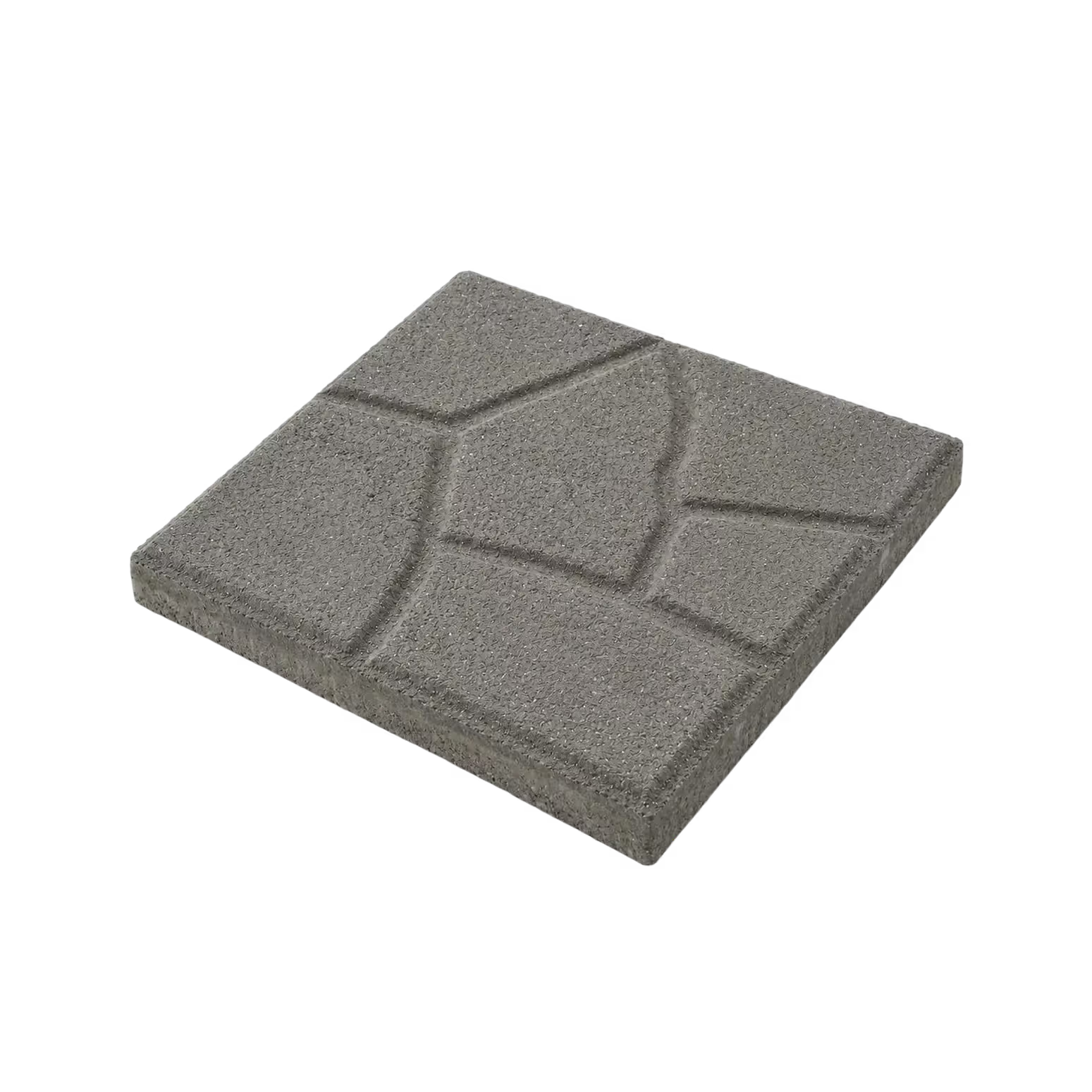
While the hardscaping should blend into the landscape with natural colours and textures, it should also be skid-proof. Opt for paving with nature-inspired finishes to tick both boxes. Shot-blasted flags are recommended; since they are split sedimentary rocks, they retain their natural colouring and texture.
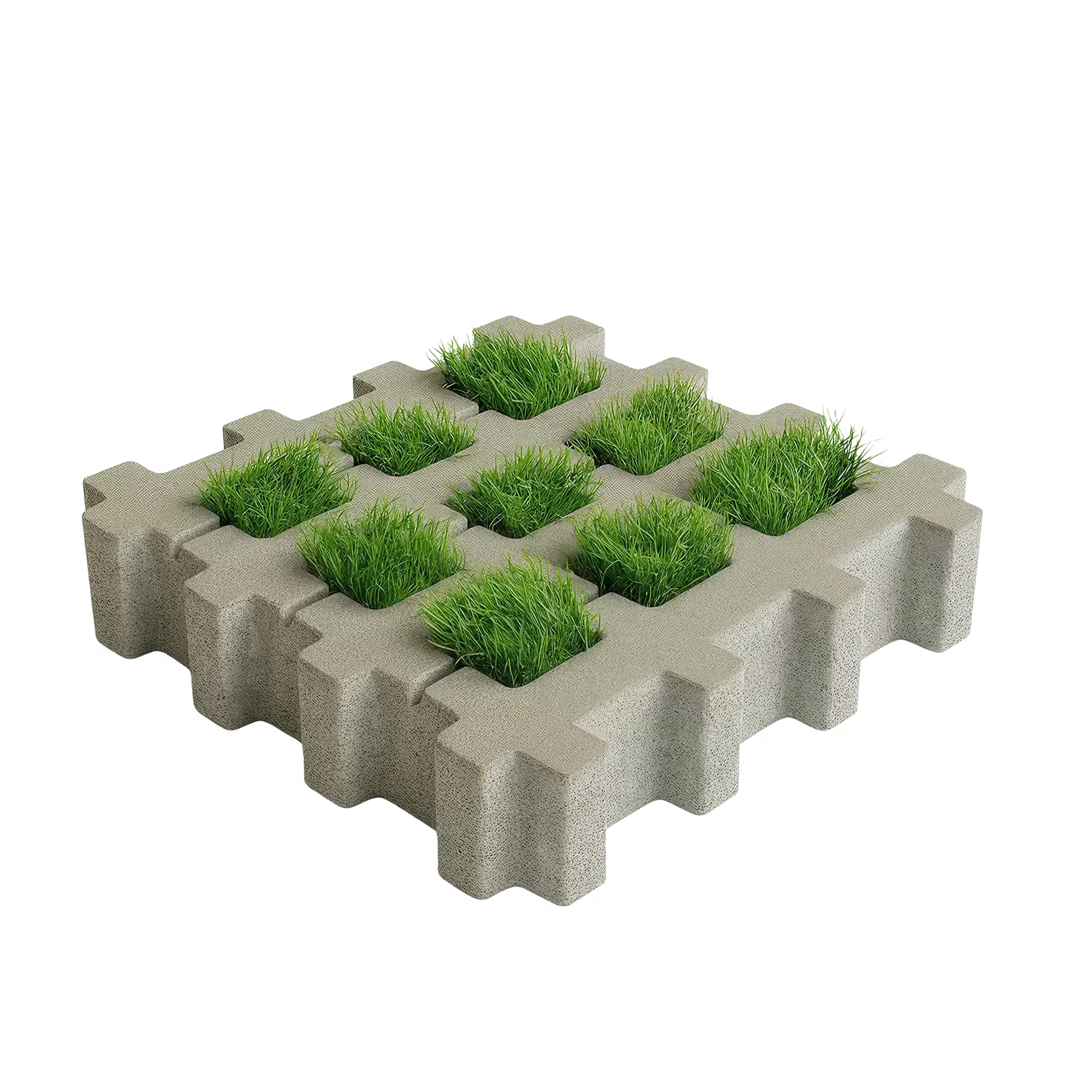
Looking to prevent water stagnation and boost rainwater harvesting? Permeable pavers are a great bet. Gardens and lawns tend to accumulate water, especially in corners. Left unattended, the water can cause structural damage. Permeable pavers allow water to seep into the soil and replenish groundwater in the process.
For Driveways and Parking Zones: Interlocking Pavers and Engineered Blocks
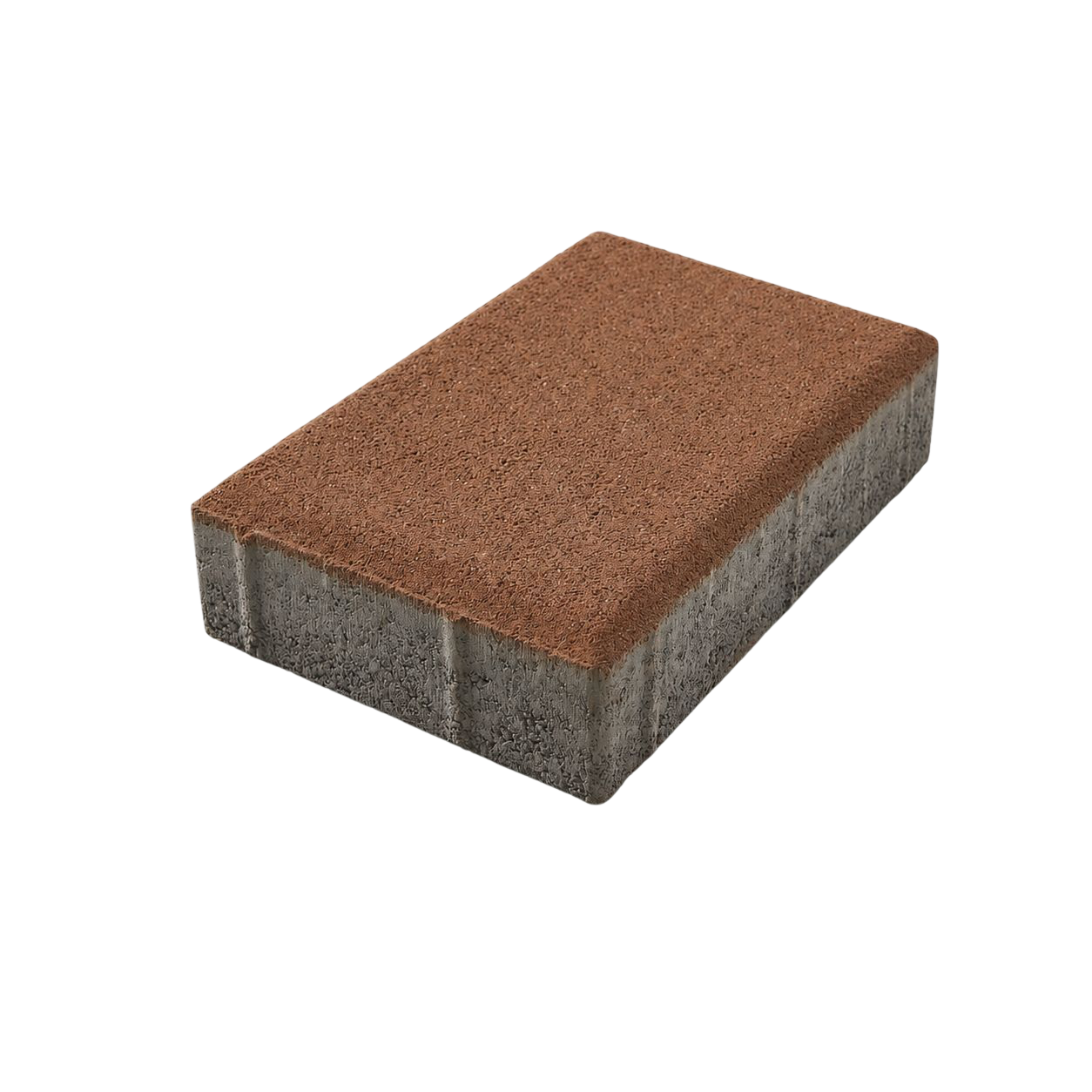
These areas see regular foot and vehicular traffic, so it’s essential to choose hardscaping that can withstand the wear and tear. Look for pavers with a high load-bearing capacity. The placement of the pavers also makes a difference. For example, interlocking pavers distribute weight evenly, which makes them highly durable.
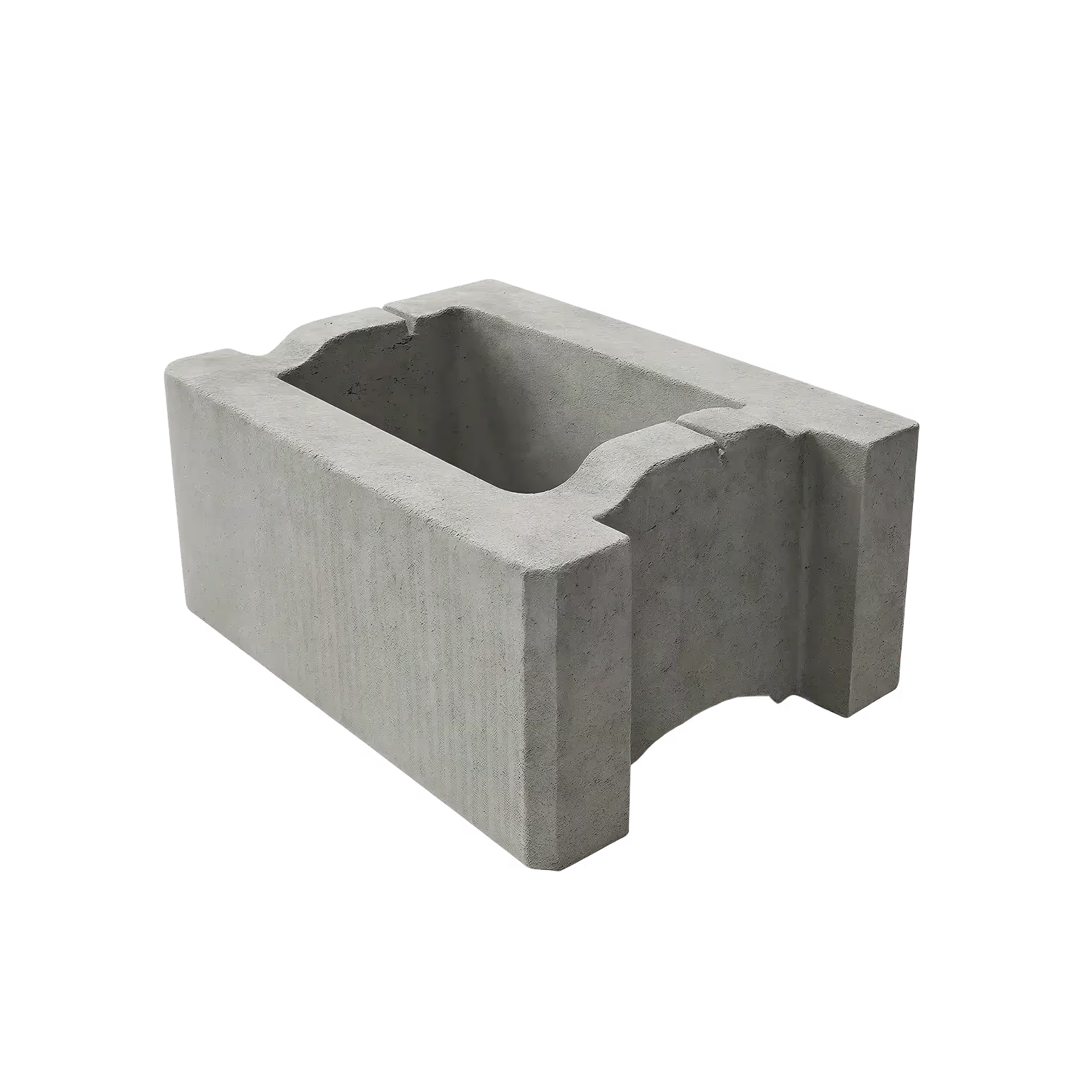
Engineered blocks, meanwhile, are strong, water-resistant, and help reduce noise through acoustic insulation. They also have low water absorption and are easy to maintain, which goes a long way when dealing with areas that have to be cleaned regularly.
For Poolsides: Slip-Resistant Tiles
Pools are popular gathering spaces, so the paving around swimming pools should add to their visual appeal. Good looks aside, the hardscaping should also improve safety and prevent water logging, since algae growth from collected water makes surfaces slippery. Here’s another hack — lighter-toned pavers absorb less heat, making surfaces easier to walk on.
For Commercial Spaces: Concrete Tiles and Engineered Precast Elements
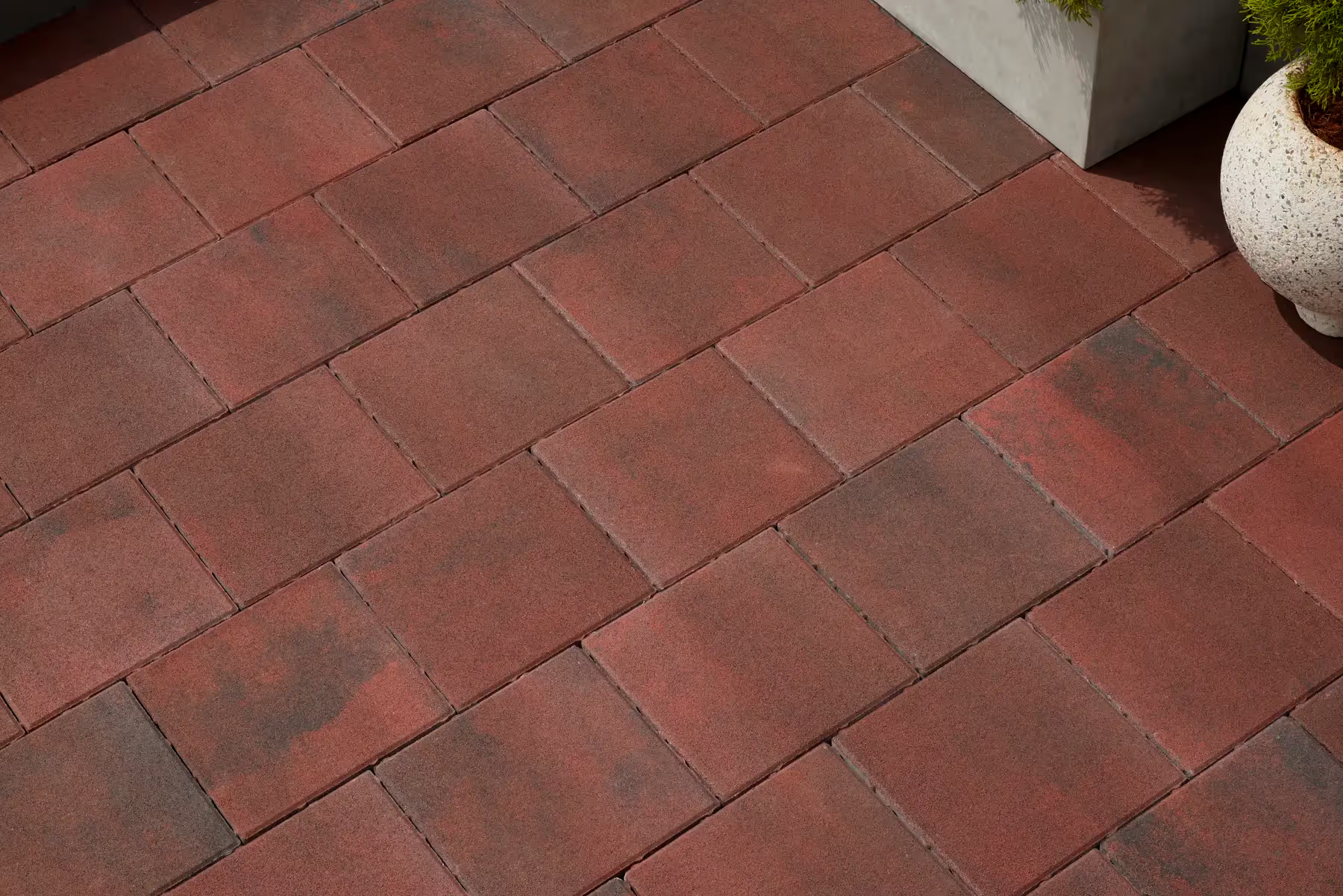
For public spaces, the priority is hardscaping that can endure heavy movement while also complementing the overall design of the building. Moreover, architects also prefer paving tiles that can be easily installed. Concrete pavers fit the bill perfectly. They age well, retaining their shapes and colours while cutting down noise through soundproofing.
A few precautions during installation go a long way; applying a sealant prevents staining and moisture collection, while maintaining the grout lines — the gaps between the tiles — can prevent damage.
For Footpaths: Textured Concrete Pavers and Tactile Kerbs
Think long term when it comes to public infrastructure like footpaths and walkways. Ease of use and maintenance are equally important. Concrete pavers are a timeless choice for a variety of reasons.
Concrete pavers have a pitted surface that offers better grip and are crack-resistant. They can also tolerate heavy fluctuations in weather; when properly sealed, they require only minimal cleaning to remove stains.
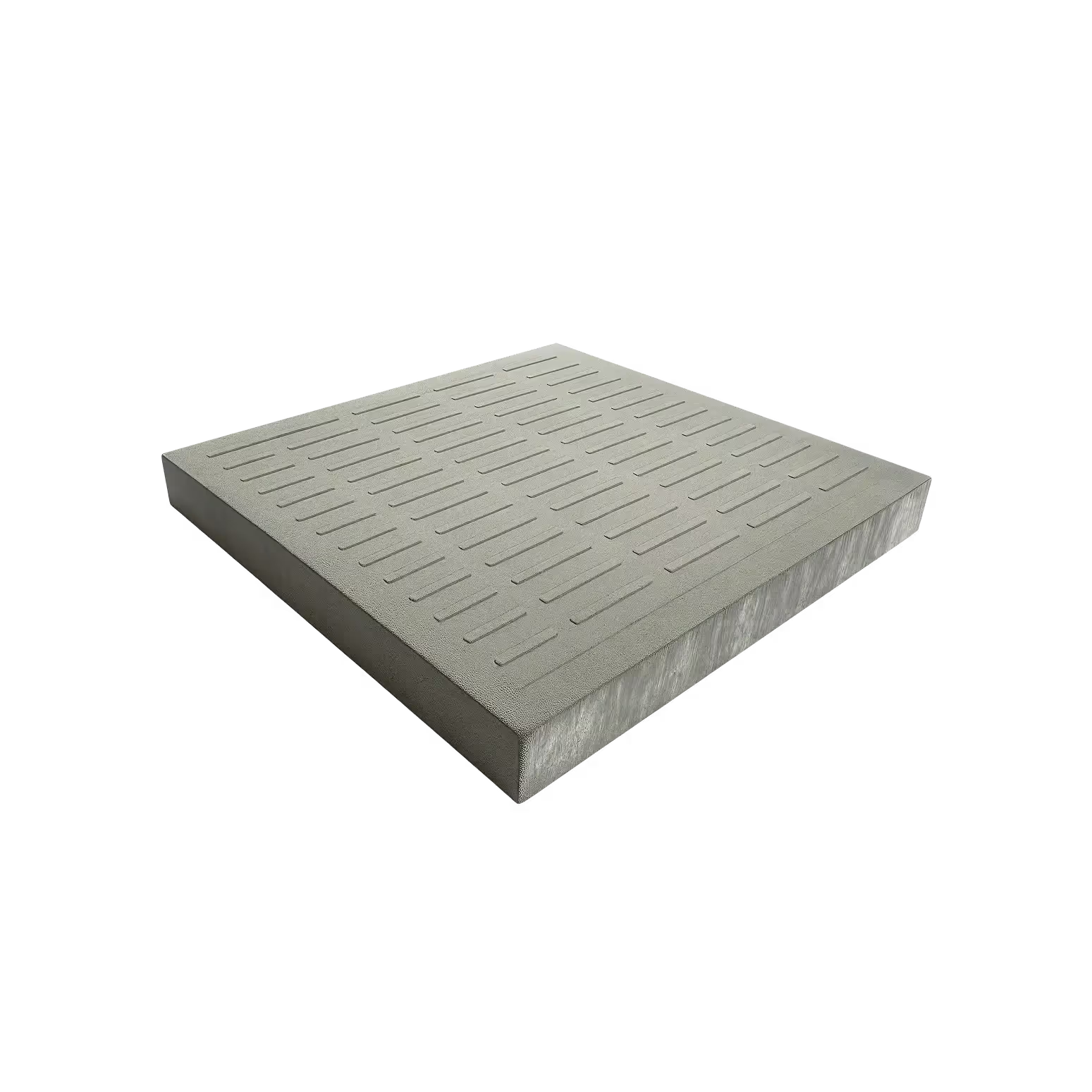
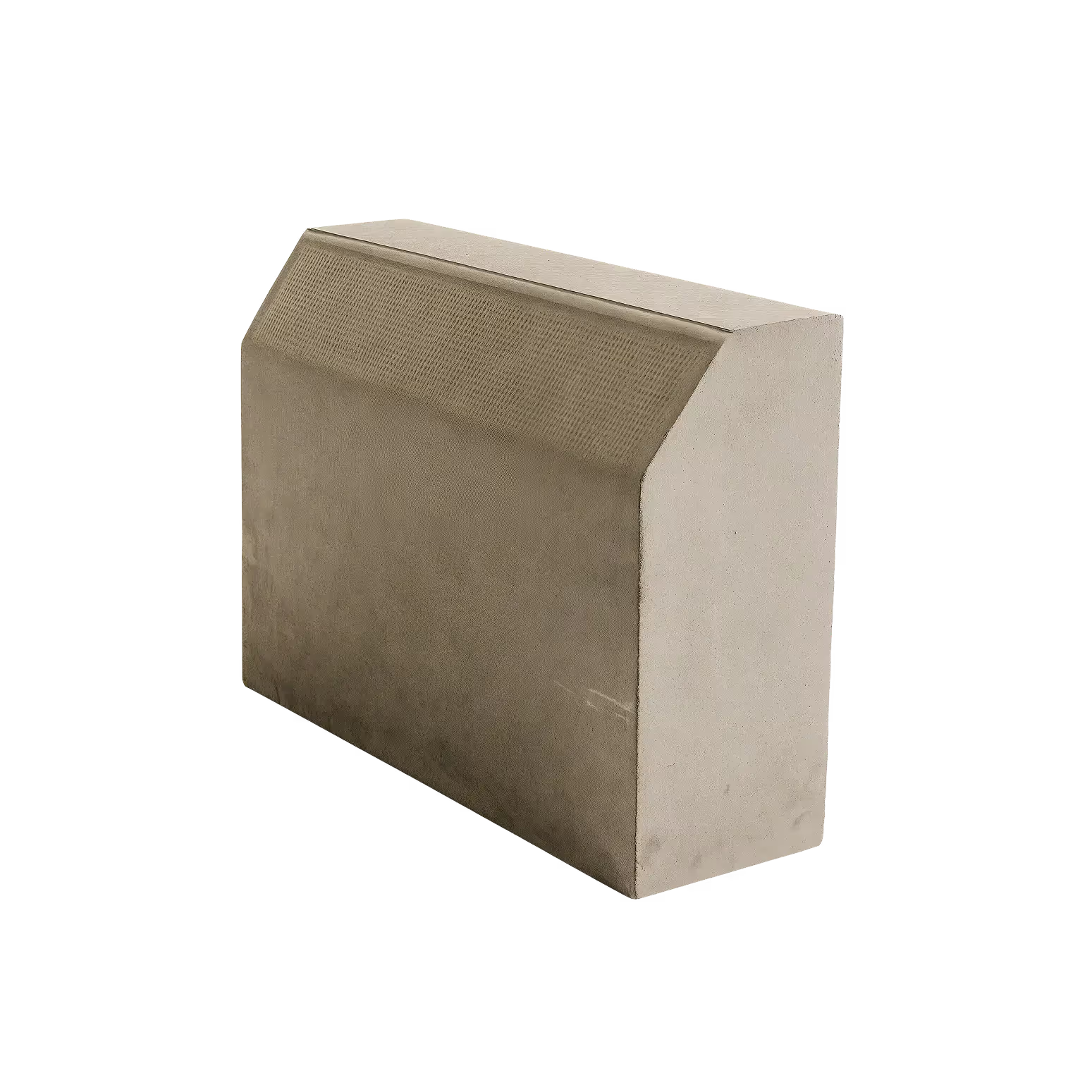
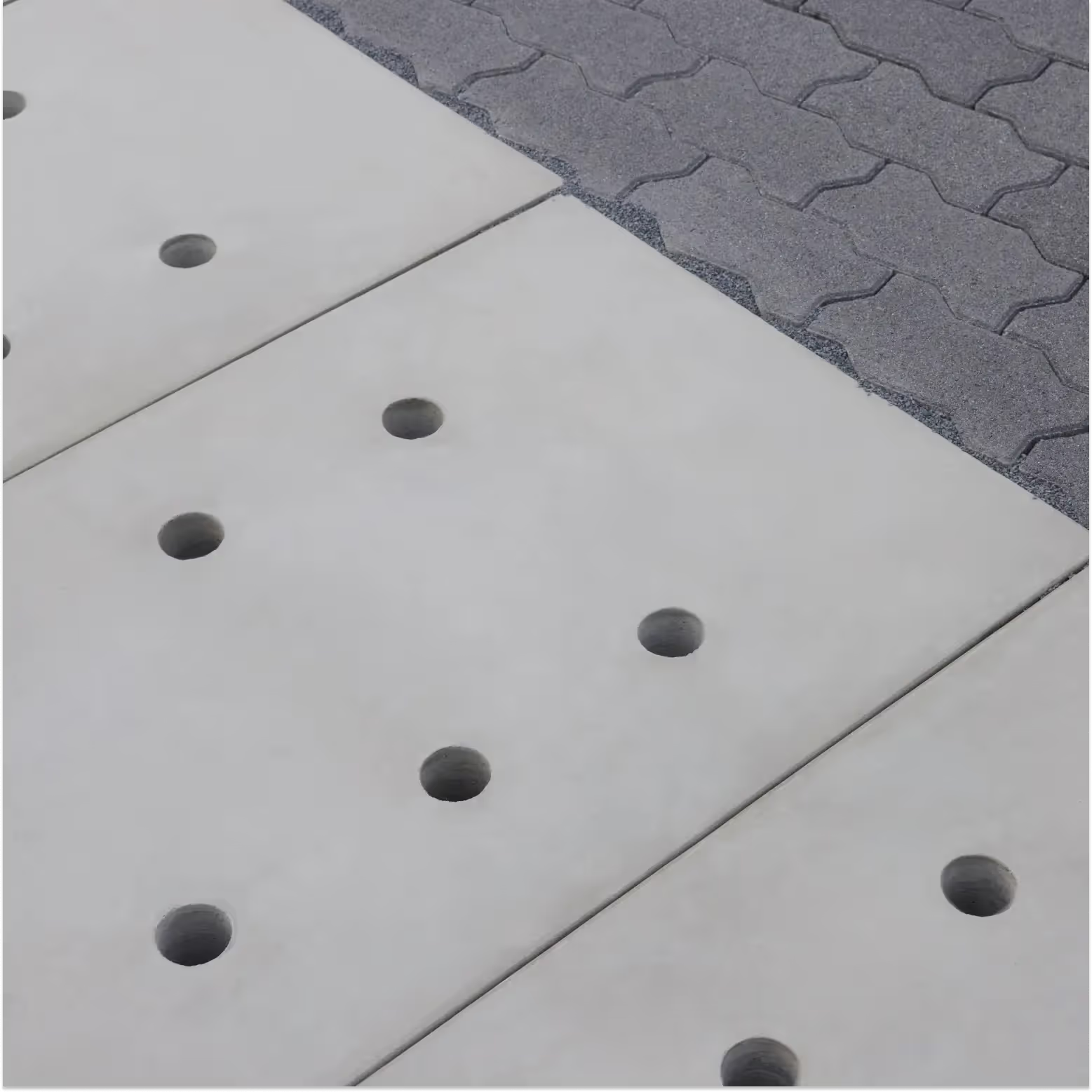
Urban planners are also embedding footpaths with tactile directional and warning tiles to help the visually impaired navigate these spaces with ease.
With the right paving solutions, these spaces can be made safer and more inclusive.
As cities and spaces continue to evolve, so will our hardscaping requirements. Yet, by making well-considered choices, architects can ensure that their designs stand the test of time.