
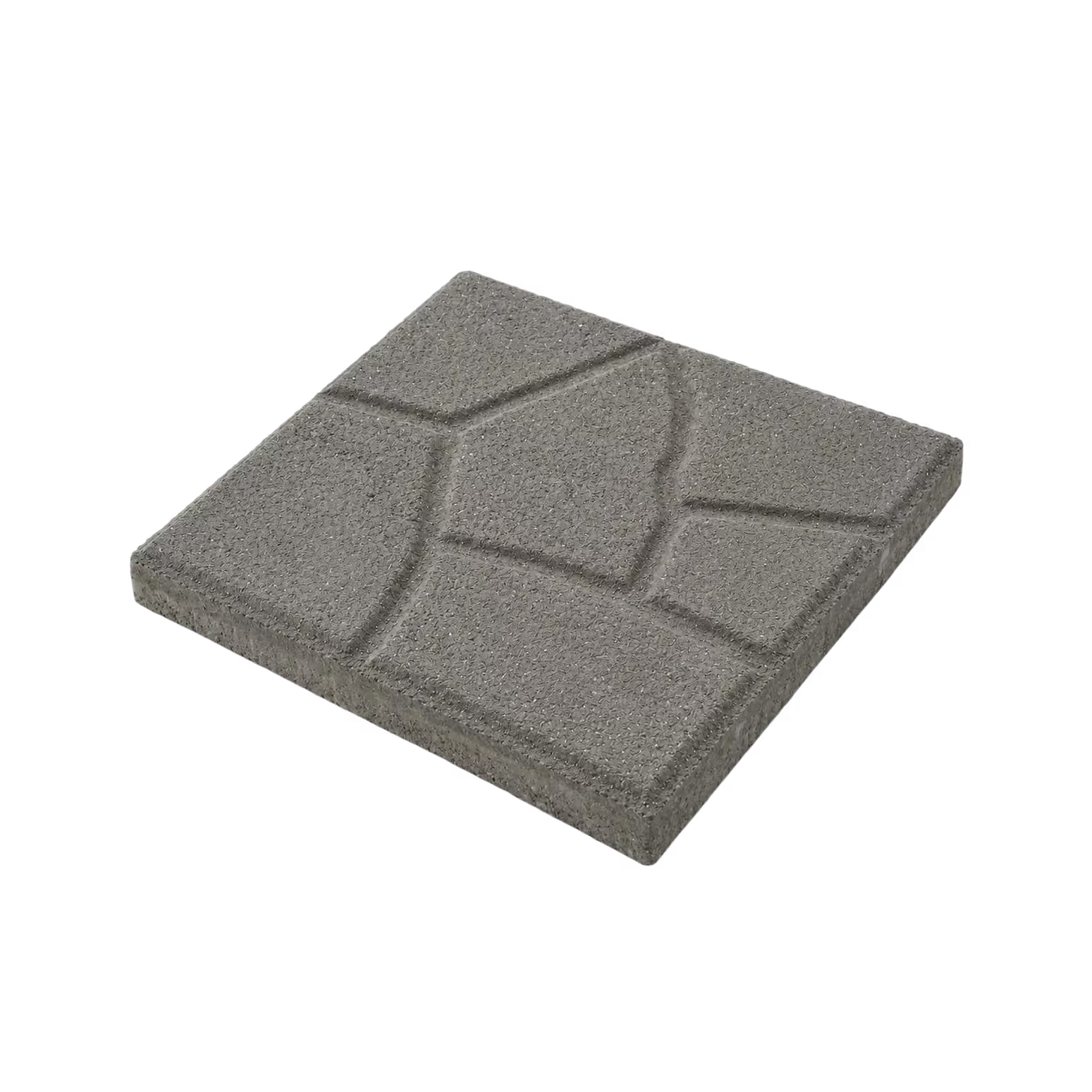
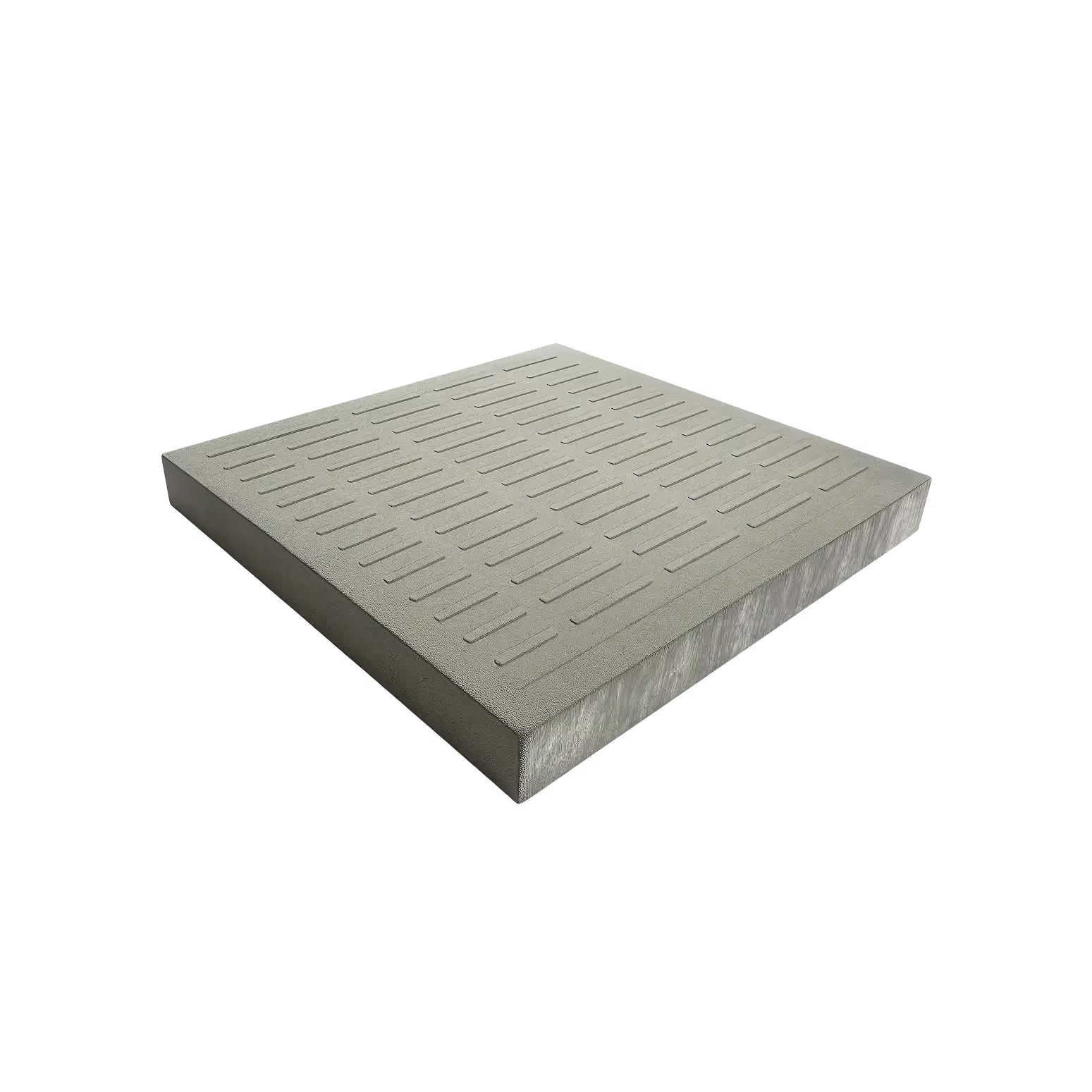
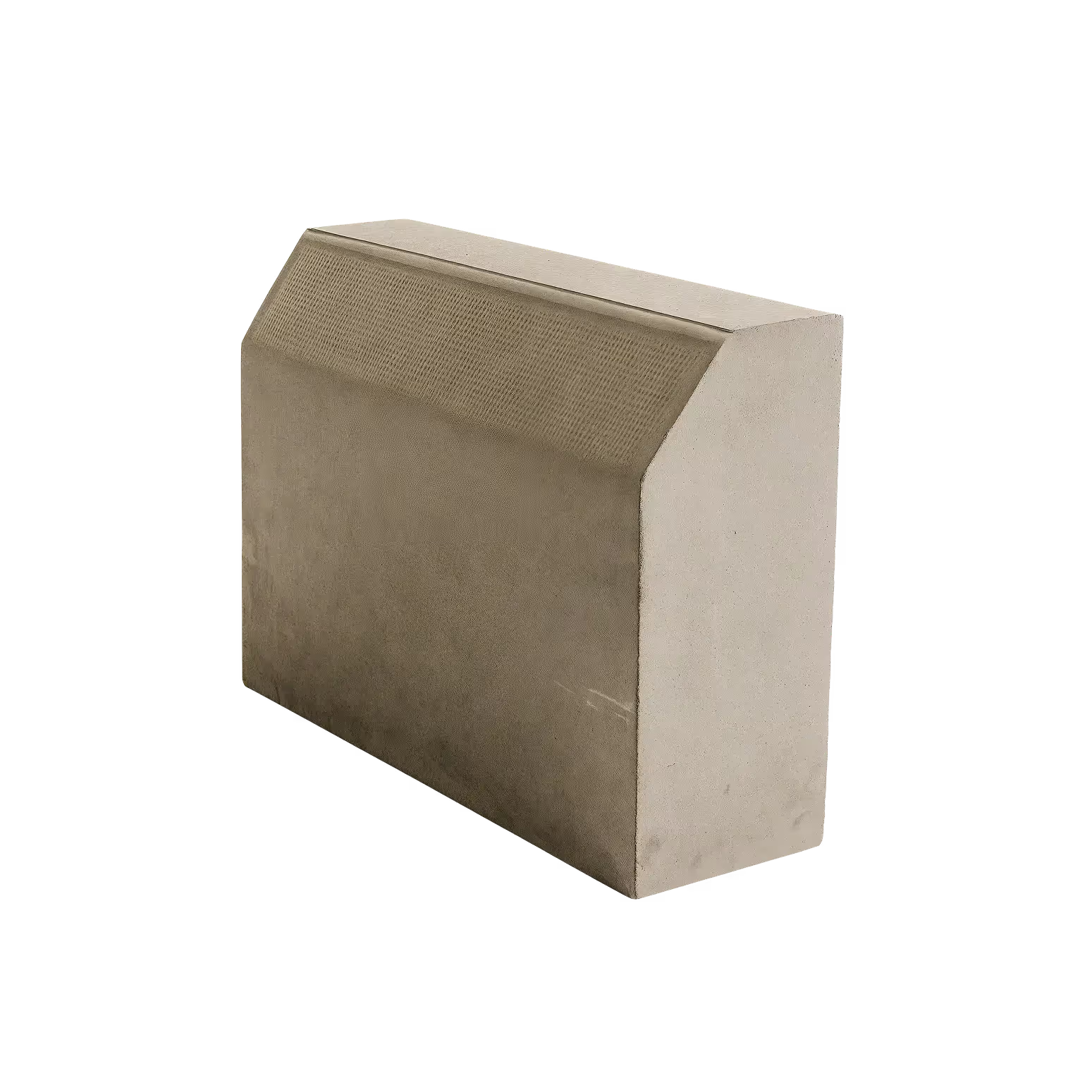
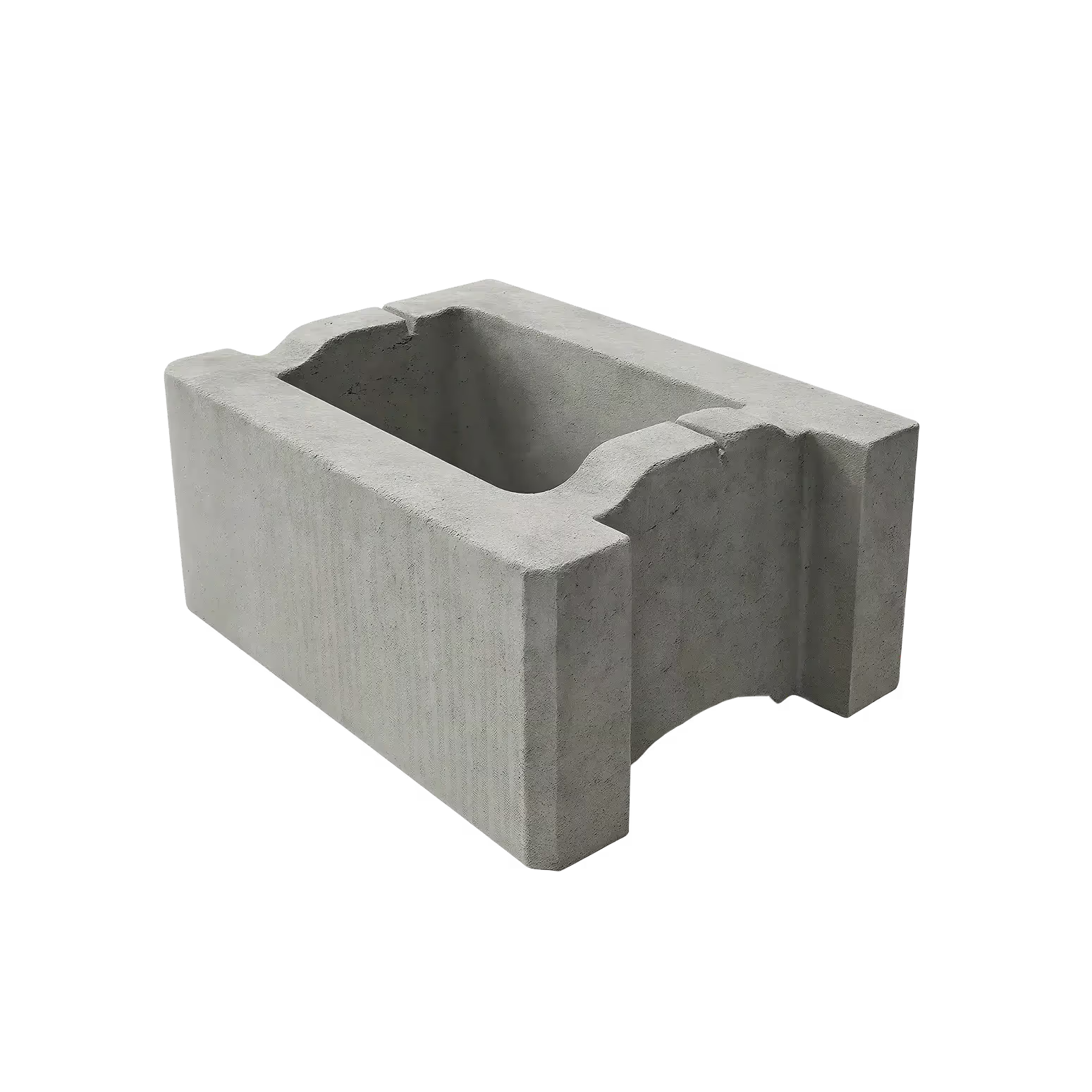
Pavers aren't all the same, which makes choosing one extra tough. Thickness, shape and finish decide how a paver handles a parked car, a monsoon, or forty years of footfall. This guide will help you understand paver types by project requirements.
The Checklist: 3 Answers To Have Before You Choose
1. How will your landscape be used?
(i) Daily and continuous vehicular and foot traffic - cars, delivery vehicles, trucks
Example: Internal roads
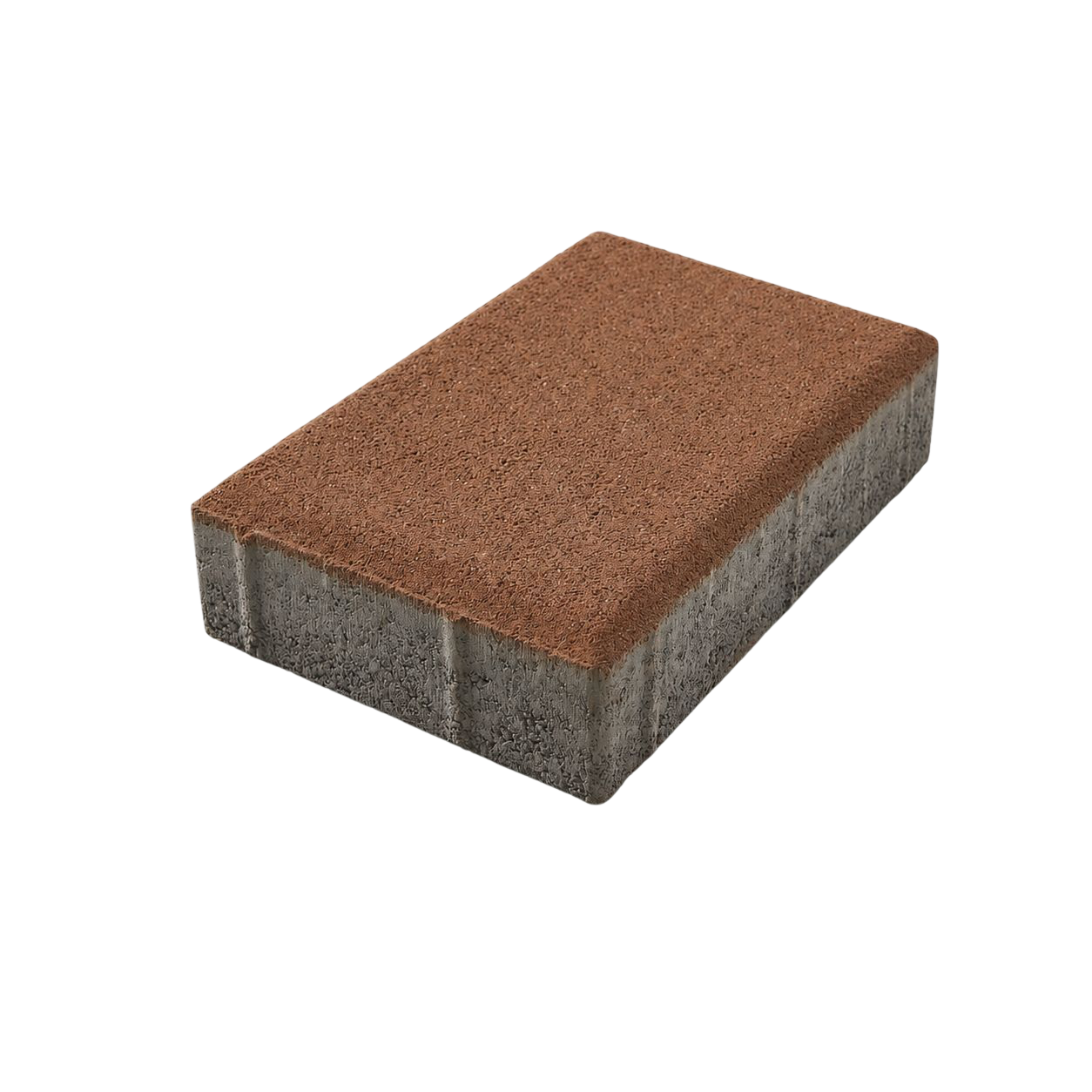
Choose → Heavy traffic paver type; above 80 mm thick with superior interlocking.
(ii) Cars every few hours, scooters and motorcycles, foot traffic, no trucks or fire tenders
Example: Plazas, hotel forecourts
Choose→ Medium traffic paver type; about 60 mm thick with superior interlocking.
(iii) Mostly foot traffic with mild vehicular usage, parking
Example: Residential driveways
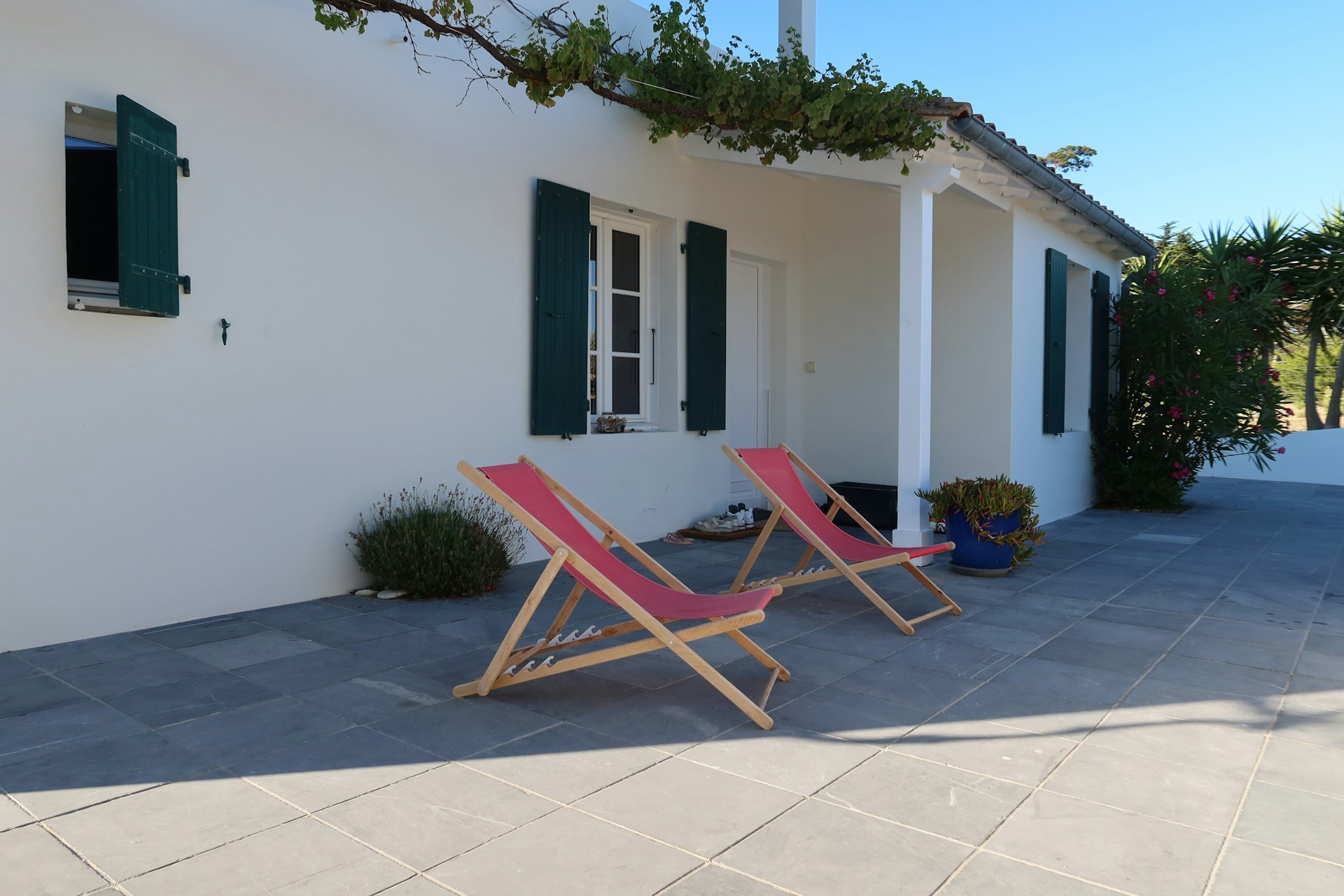
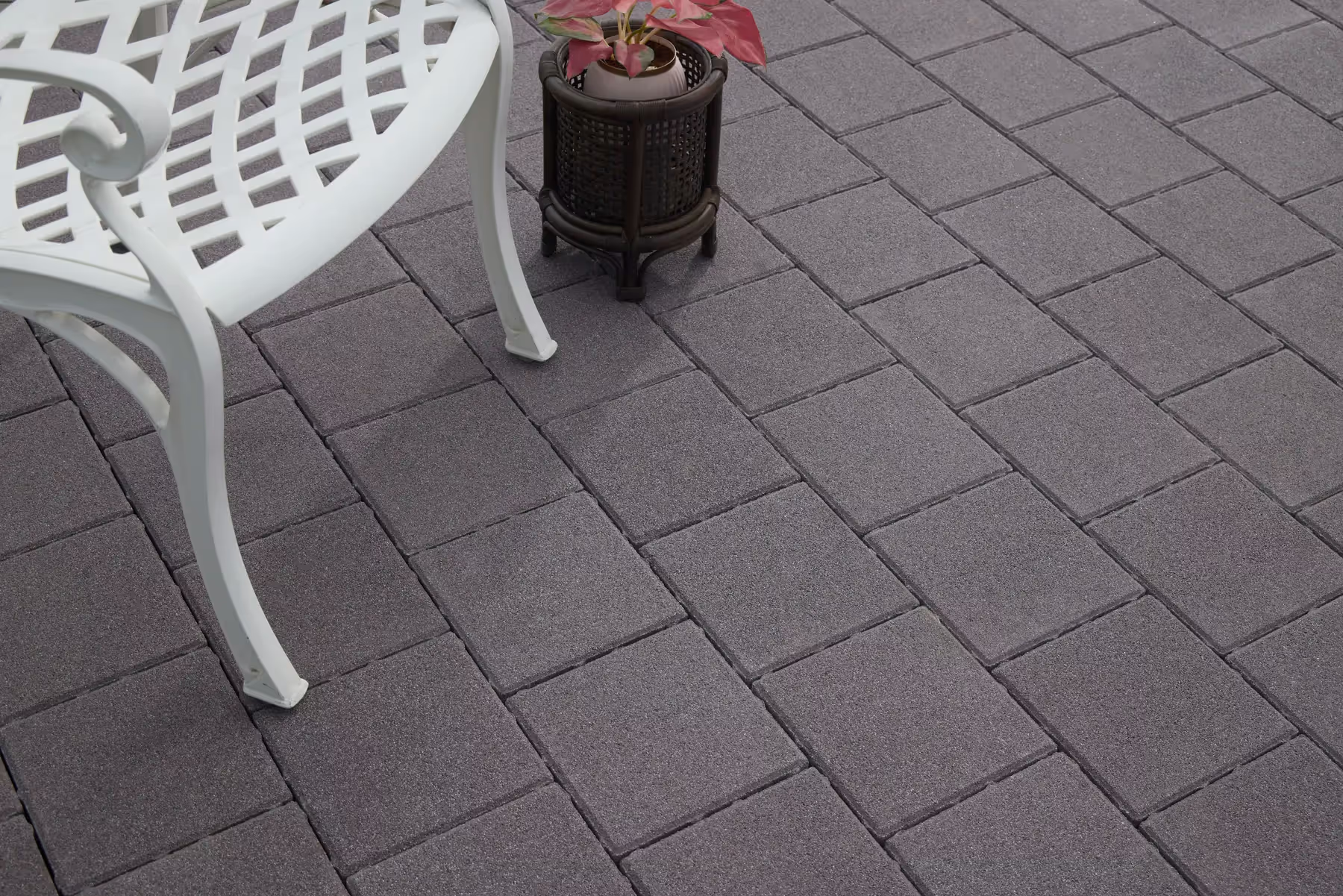
Choose → Decorative or light traffic paver type; these can be larger in format, have varied shapes, and even ornate surface textures.
2. What is the ambience you want to create?
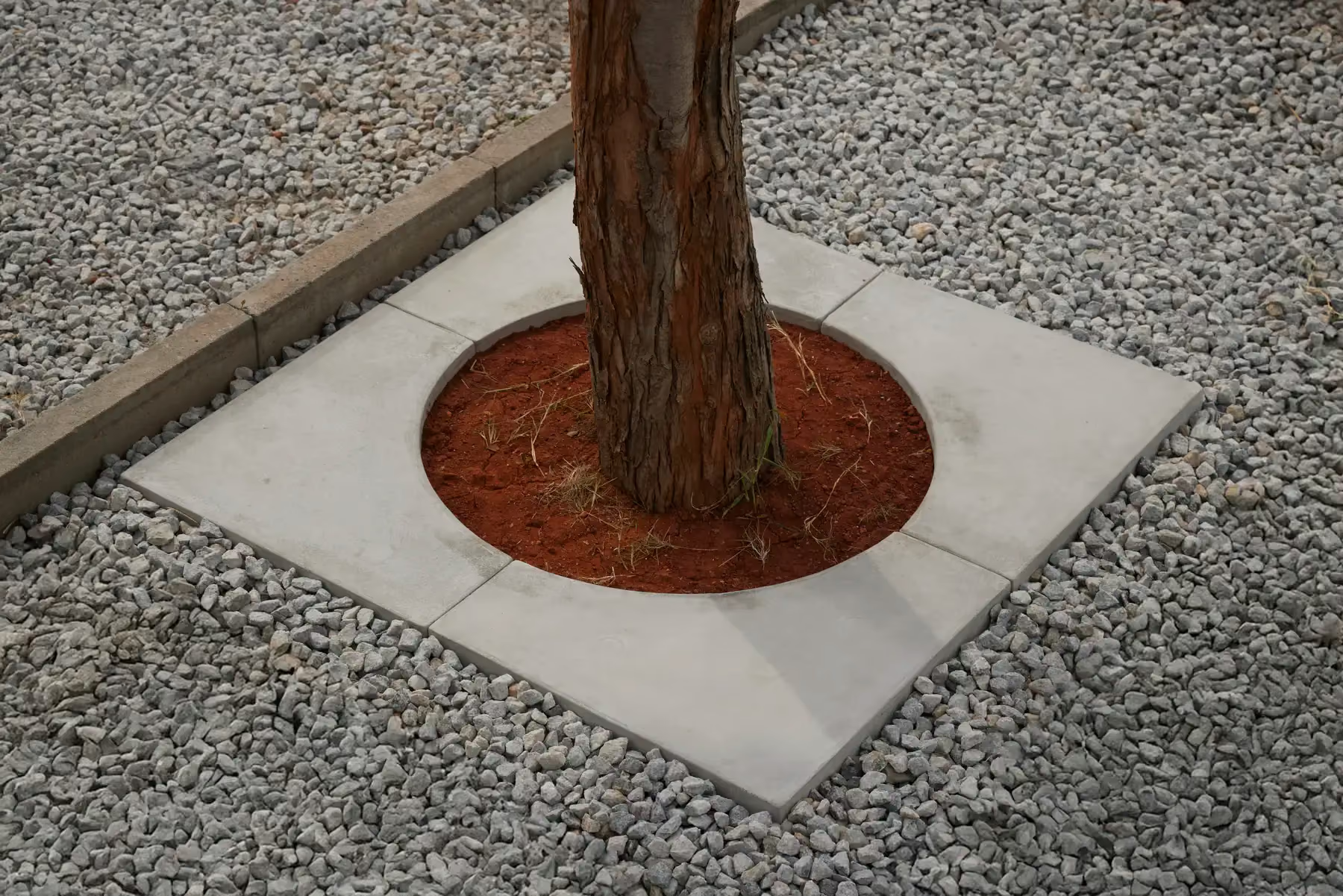
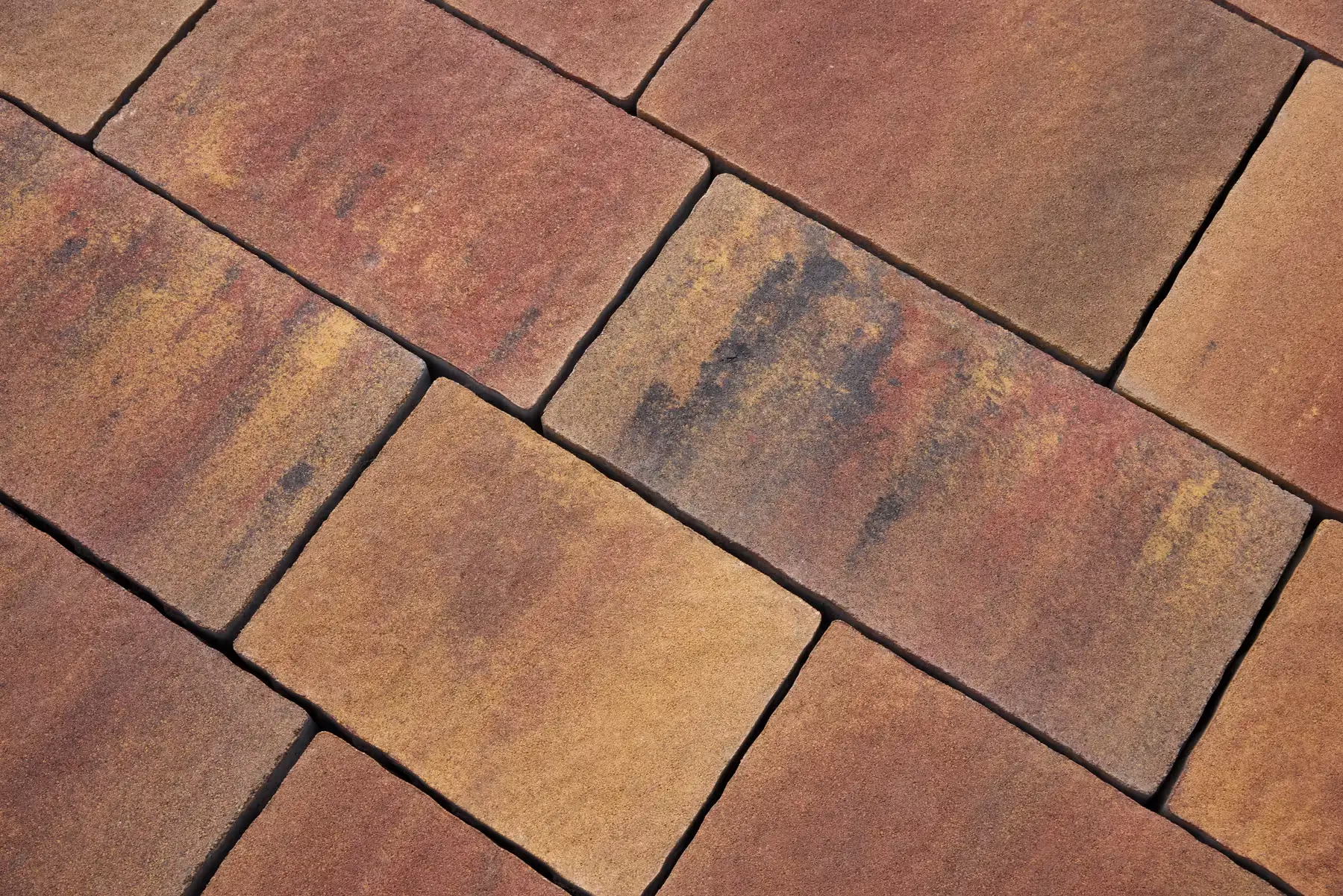
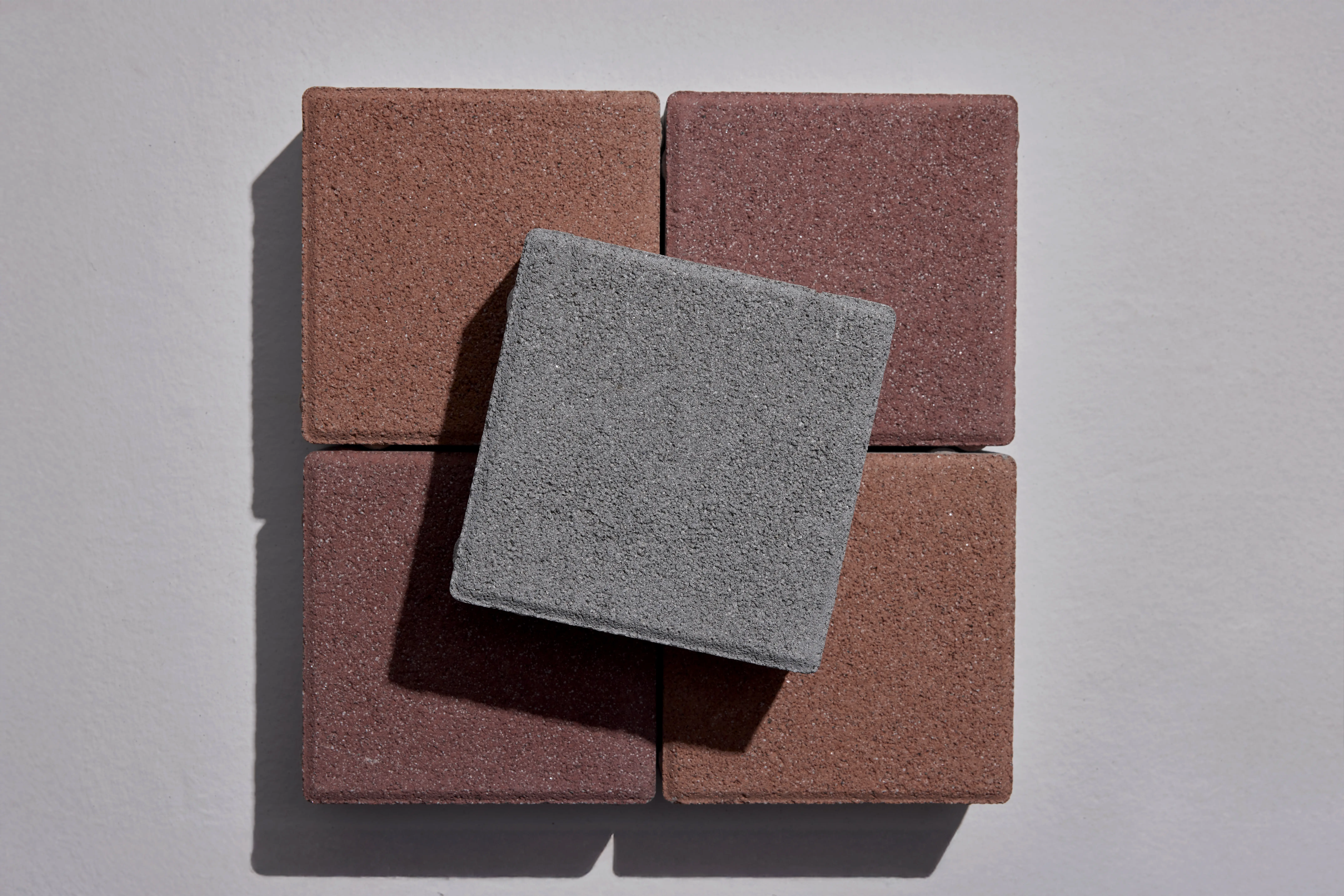
Choose a shape to match your space: Linear, grid-like shapes suit corporate and industrial settings. Curvilinear, organic shapes suit gardens, resorts, homes. Play with colours and finishes to achieve a bespoke look.
3. Is permeability or greenery a priority?
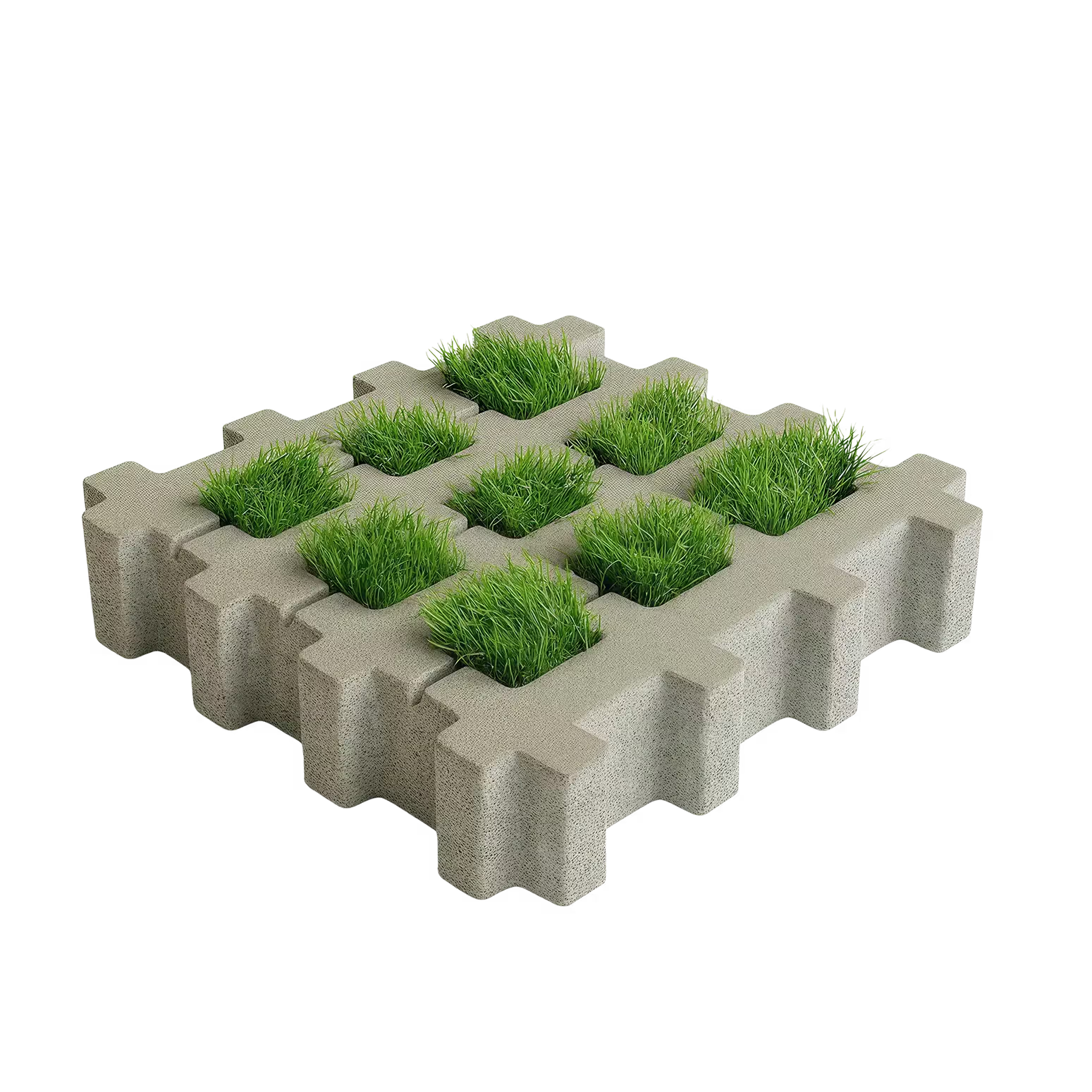
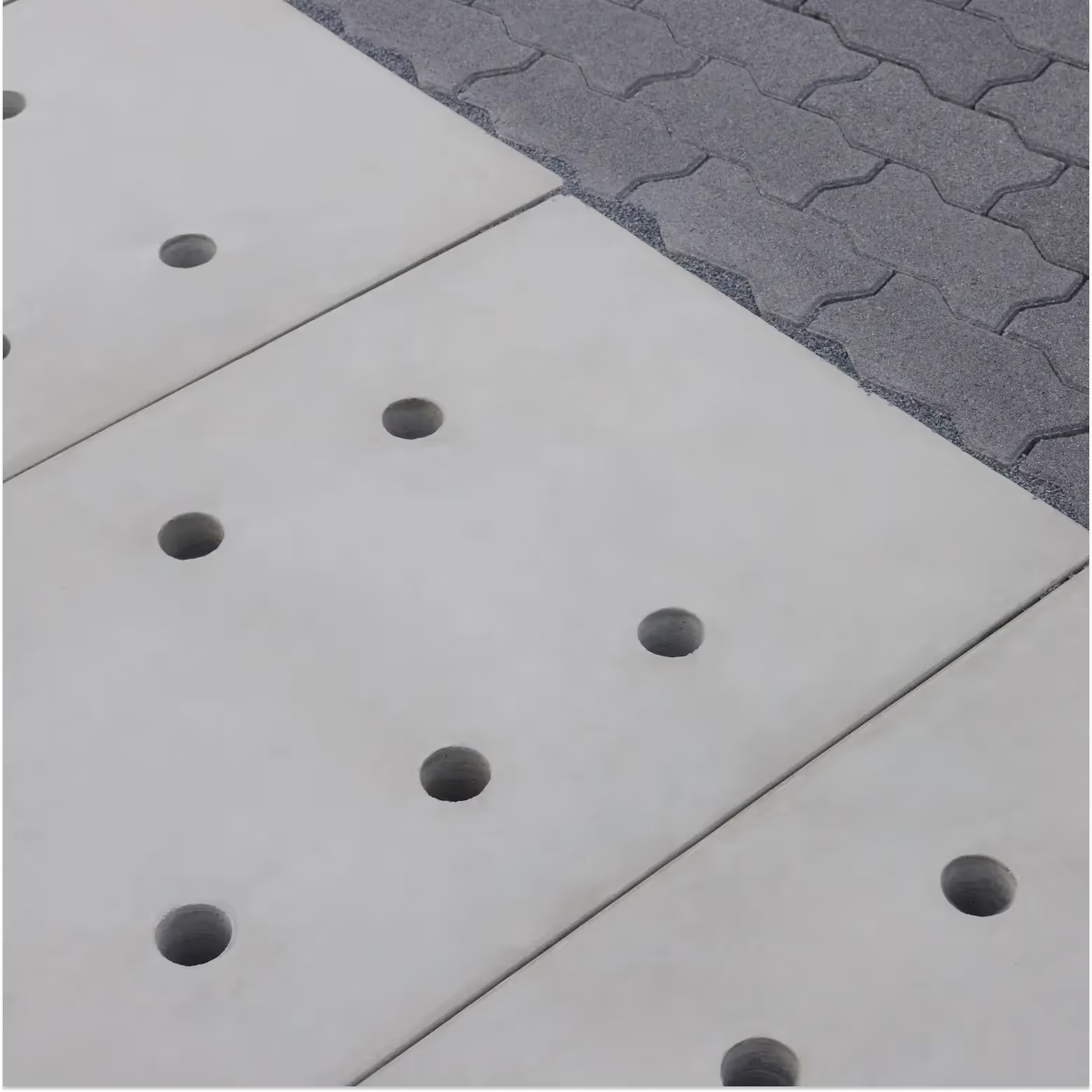
Permeable (grass and permeable pavers) let water soak into the soil below. The surface balances concrete with organic features like grass, stone chips, or pebbles. This is suitable for lawns, parking areas, and areas with waterlogging concerns.
While types of pavers are separated by heavy-, medium-, and light-traffic, choosing a finish completes the paver’s function.
Find your finish
| Finish | What it is | Best for |
|---|---|---|
| Shot-blasted | Blasted with micro steel balls after curing for a matte, grippy texture | All applications, especially poolsides, public plazas, and internal roads. |
| Fine | A smooth, even top | Residential areas, decorative paving |
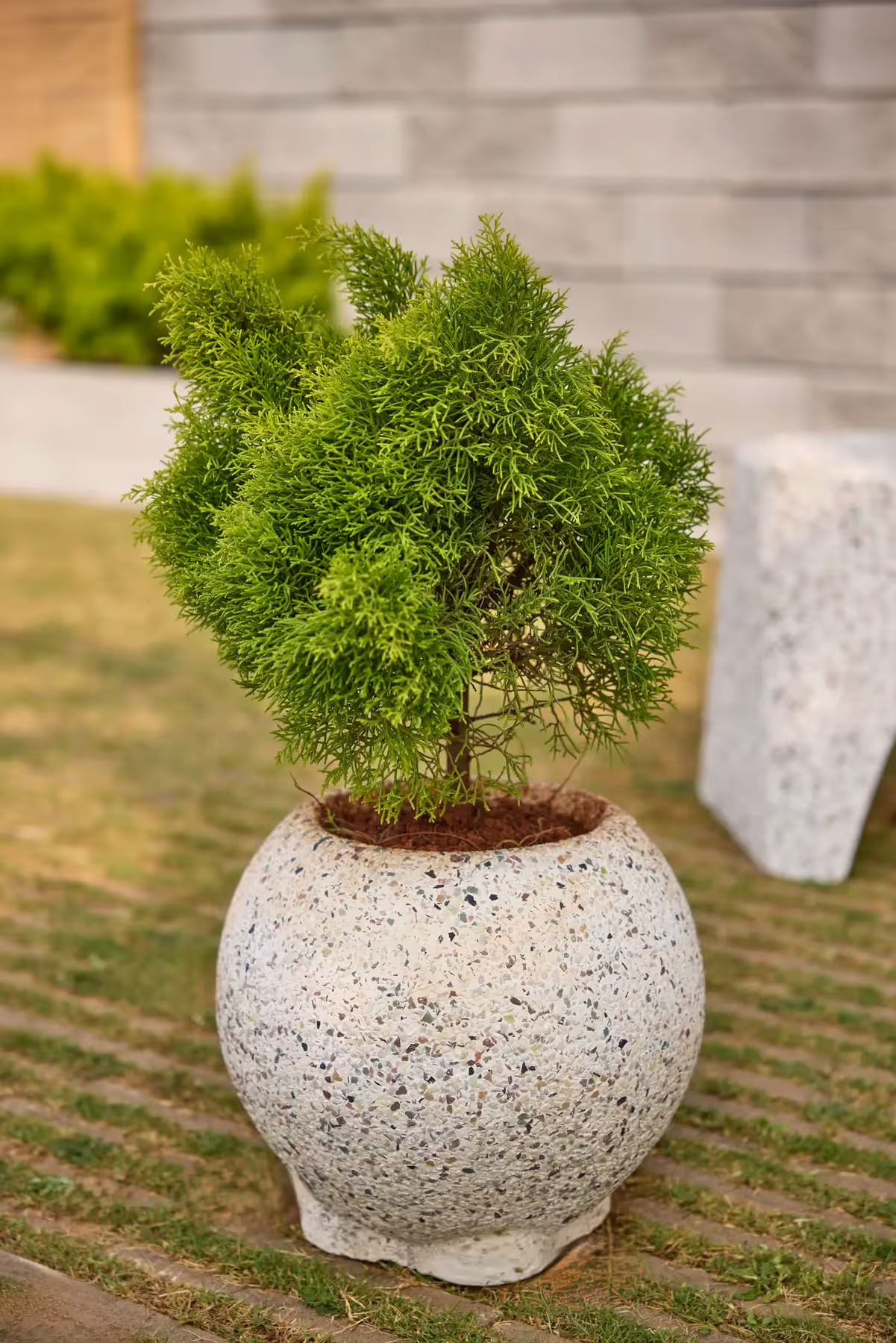
| Washed | A carefully jet washed top, done to reveal colourful aggregate chips | Gardens, poolsides, gazebos, marquee spaces |
| Tumbled | Pavers are carefully tumbled to achieve organic-looking, uneven edges | Heritage-inspired spaces, walkways, vernacular architecture. |
What Drives Paver Block Price
- Thickness. More material, higher cost.
- Finish. Finishes add a production step and change the final rates.
- Colour. Custom blends are priced differently from standard shades.
What Makes Basant Betons’ Pavers India’s Best
The Basant difference begins even before production starts — we choose the highest grade of raw materials. Every batch we produce is pressure-tested for load, moisture and abrasion before it leaves the factory. Tight, consistent tolerances mean units sit neatly against each other with no rocking, no uneven wear, no early cracking at the edges.
That's why some of our pavers, laid over two decades ago, are still holding up on-site today. See for yourself in our case studies.
Don't forget kerbs and edging — without them, even the right paver can shift out of place over time.
Quick Questions
How thick should my driveway paver be?
60 mm is suitable for medium to light applications like driveways
Pavers or paving tiles — what's the real difference?
Pavers and paving tiles differ in their applications and the site’s height restrictions.
Write to us at enquiry@basantbetons.com for feedback, questions, or to schedule a visit to any of our experience centers.