




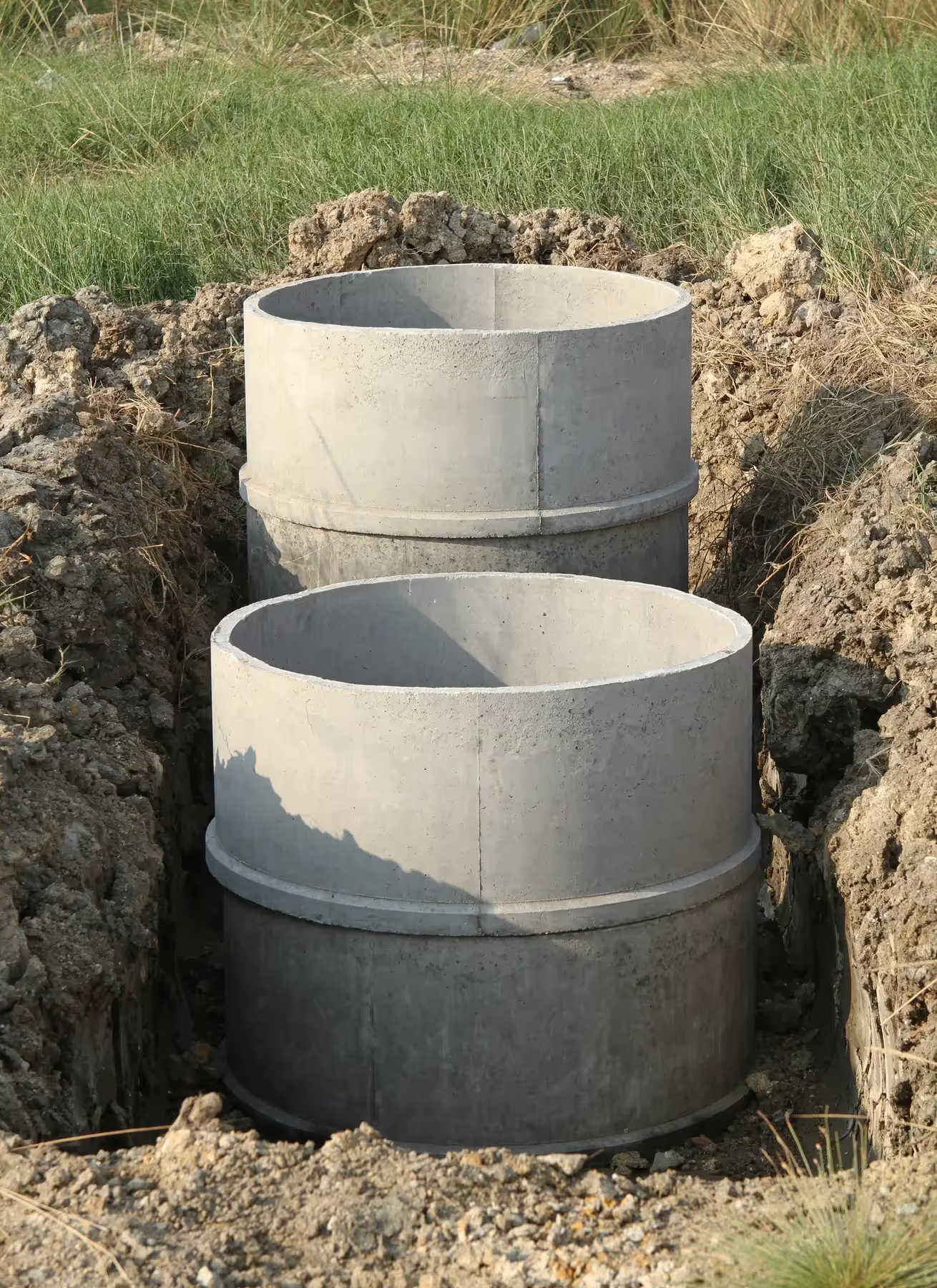

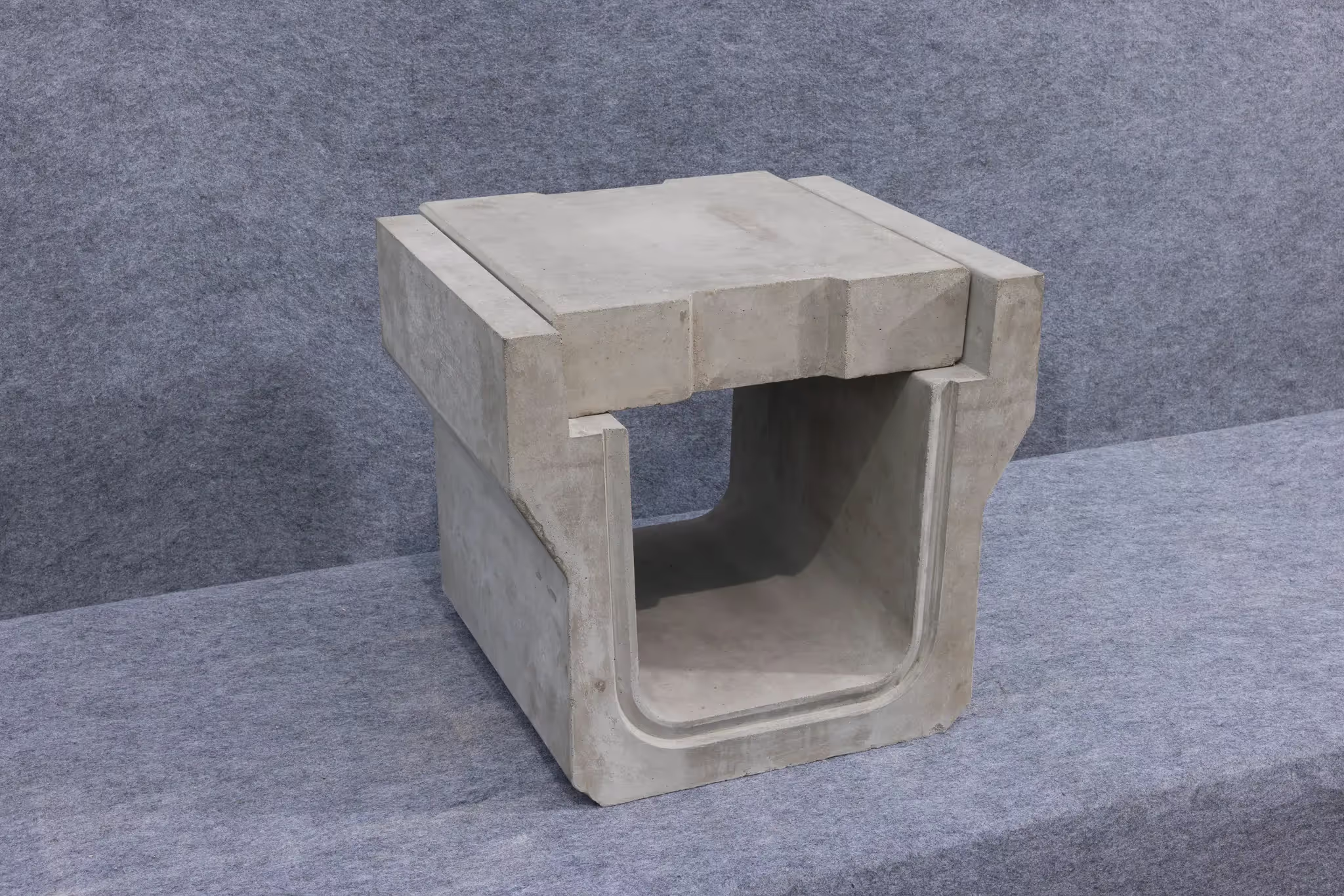
The root cause of most stormwater drainage failures isn’t the drainage unit, but the specification. The channel unit isn’t problematic - it was simply undersized, or open where it needed to be enclosed, or enclosed where an open channel would have been easier to maintain.
This guide works through how catchment areas, traffic load and site conditions actually determine whether a project needs a U-drain, a box culvert or a kerb with an integrated drain, buried conveyance for water that needs to move under or alongside a road, campus or industrial site rather than along the surface at the road edge.
Start With What the Drain Is Actually Carrying
Before comparing profiles, it's worth separating two different jobs that get conflated on site. An open channel carries surface water along a visible run, easy to inspect and clean, but it can't be driven over without additional structure. A fully enclosed conduit carries water beneath a surface that vehicles or pedestrians cross directly overhead. Getting this distinction backwards, specifying an open U-drain where traffic needs to cross, or enclosing a run that would be easier to maintain open, is where a lot of stormwater specification goes wrong before construction even starts.
U-Shape Drain: The Channel Workhorse
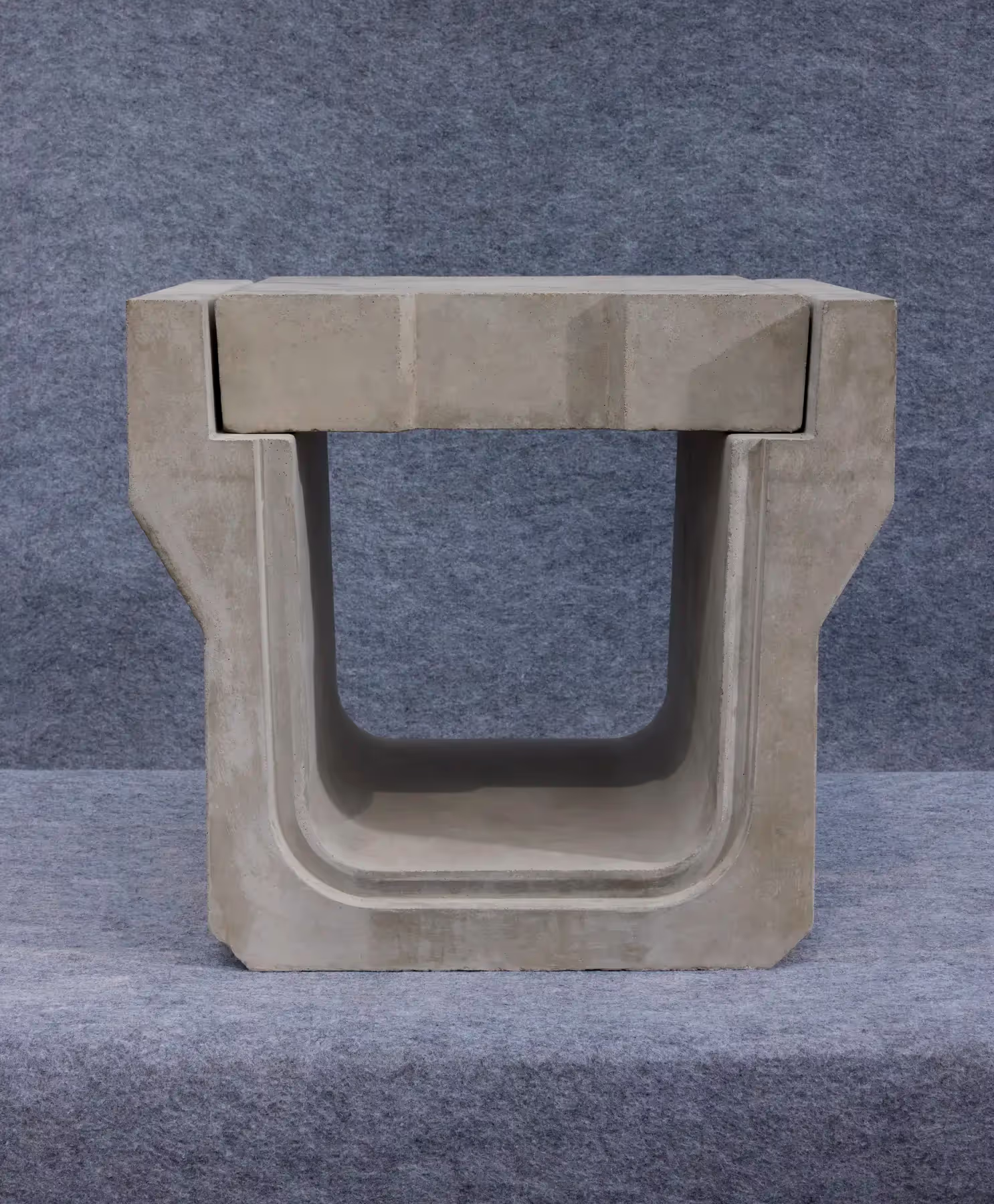
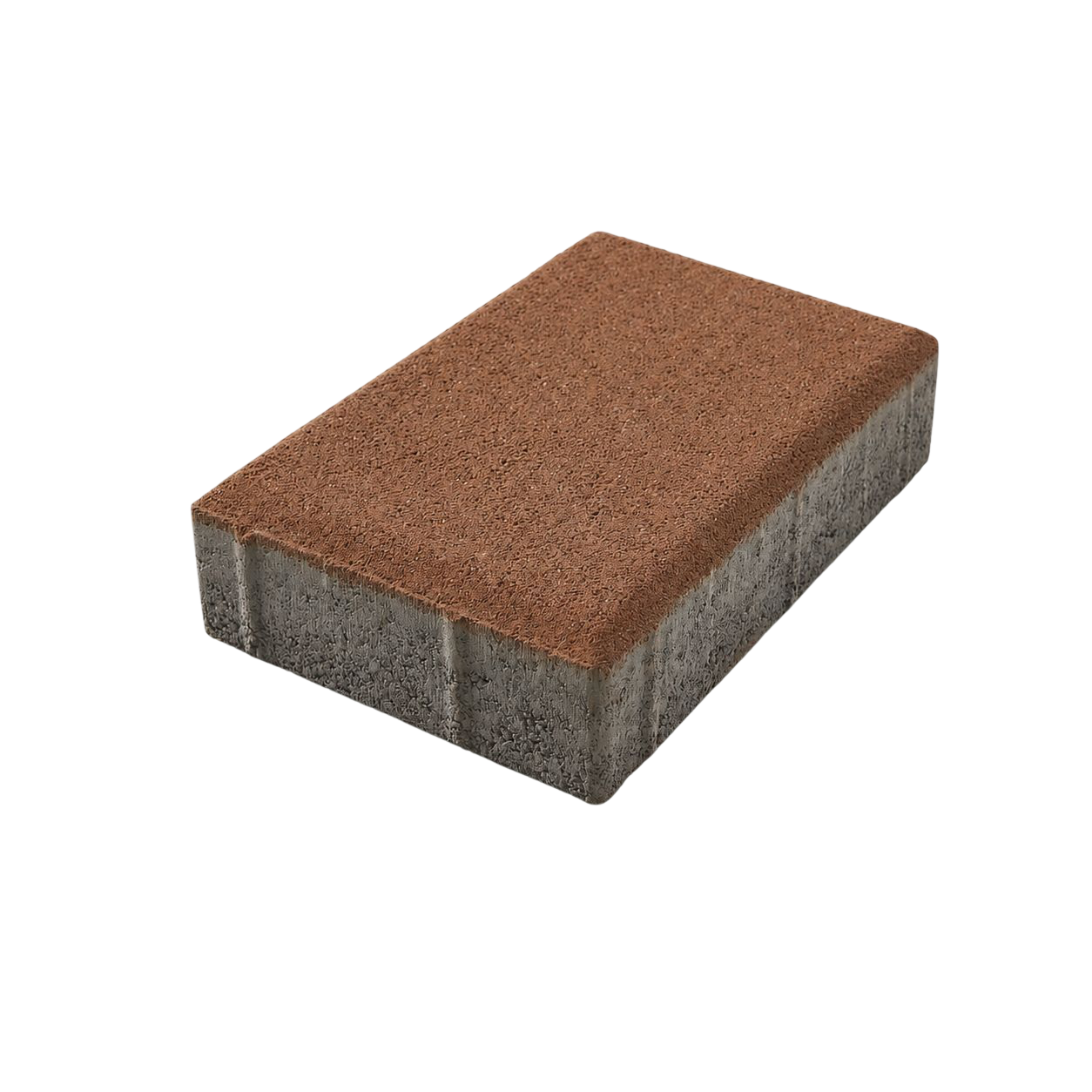
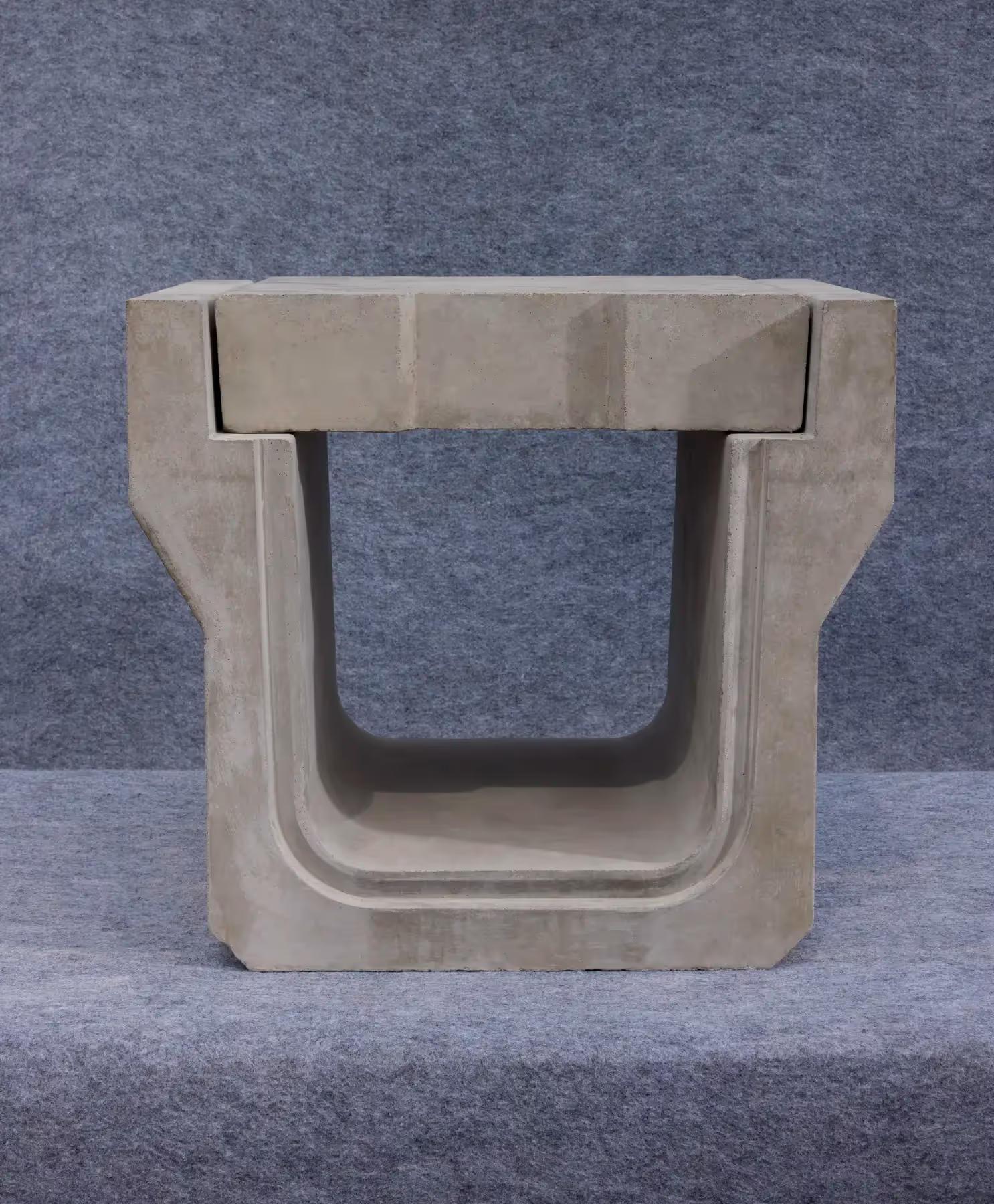
A U-shape drain is exactly what it sounds like: a U-profile precast channel that carries surface runoff along its length, when paired with a perforated cover for its top. It's the right choice wherever periodic visual inspection or clearing matters, roadside runoff collection, campus perimeter drainage, and service corridors where maintenance access is important.
Because it's precast rather than cast-in-situ, a U-drain arrives with consistent internal dimensions and a smooth channel surface that resists silt build-up better than a hand-formed masonry channel, where trowel marks and inconsistent grading create the low spots where debris tends to collect first.
Box Culvert: When the Drain Has to Carry Traffic
The moment a drain needs to sit under a heavy-traffic road - think large highways - that's a box culvert's job. It’s a rectangular precast channel engineered to carry both the water flow inside it and the vehicle load on top of it simultaneously.
Box culverts are the right specification for very large catchment areas too, not just for load-bearing reasons. Where a U-drain's open channel would need to be uncomfortably wide to handle high-volume runoff, a box culvert's enclosed rectangular section can carry a comparable volume in a more compact footprint, which matters on sites where surface space is already at a premium.
L-Shape Kerb With Drain: Edge Definition and Drainage in One Pass
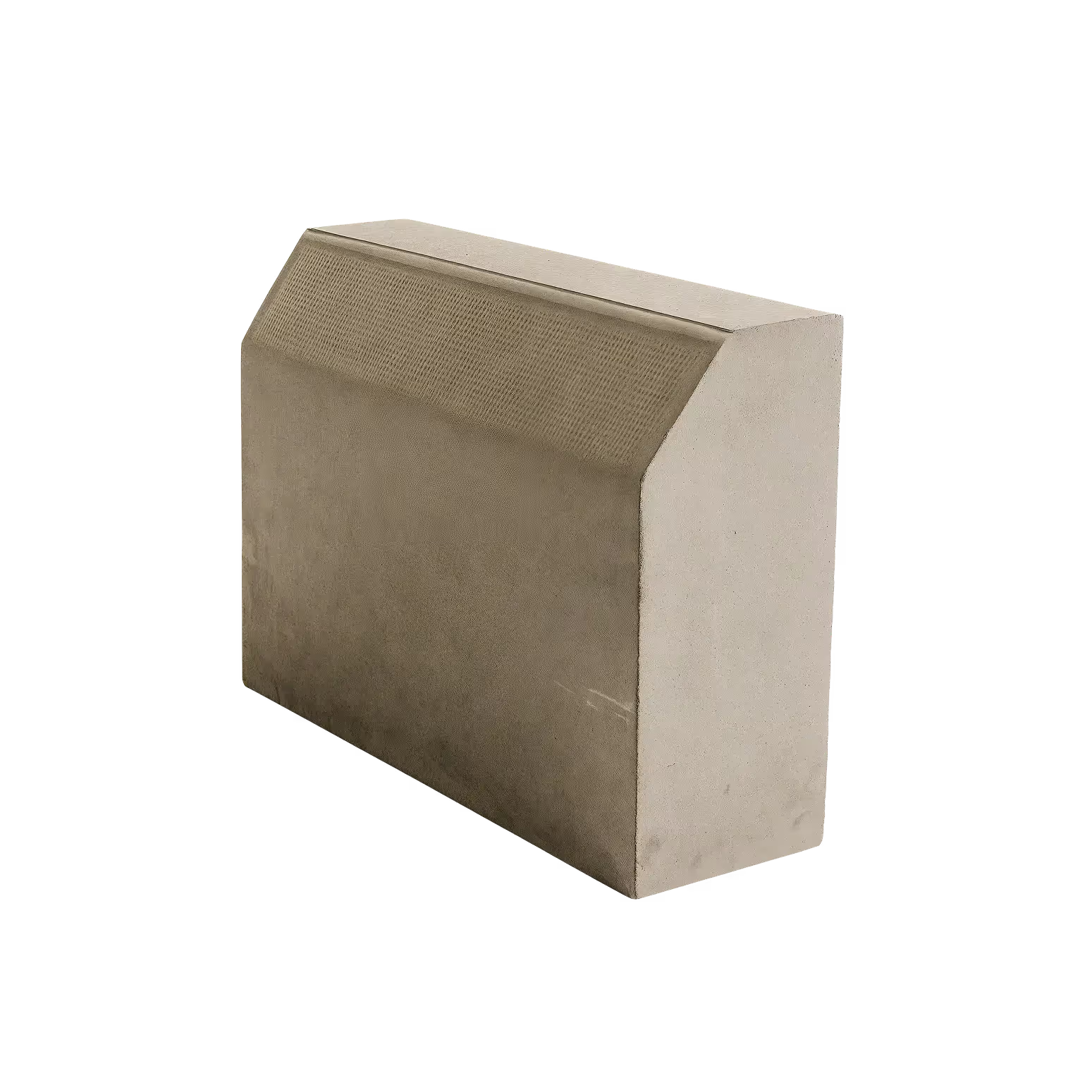
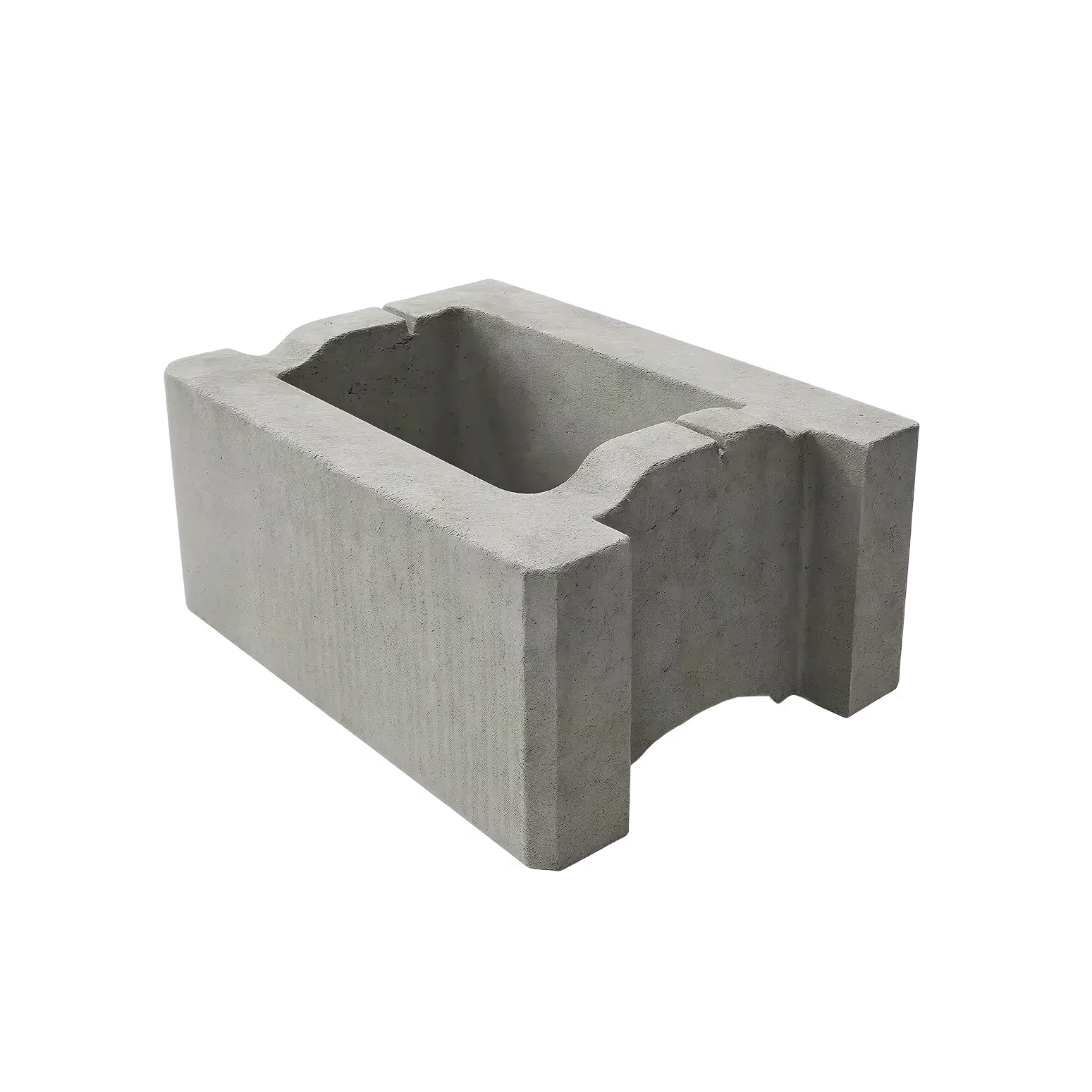
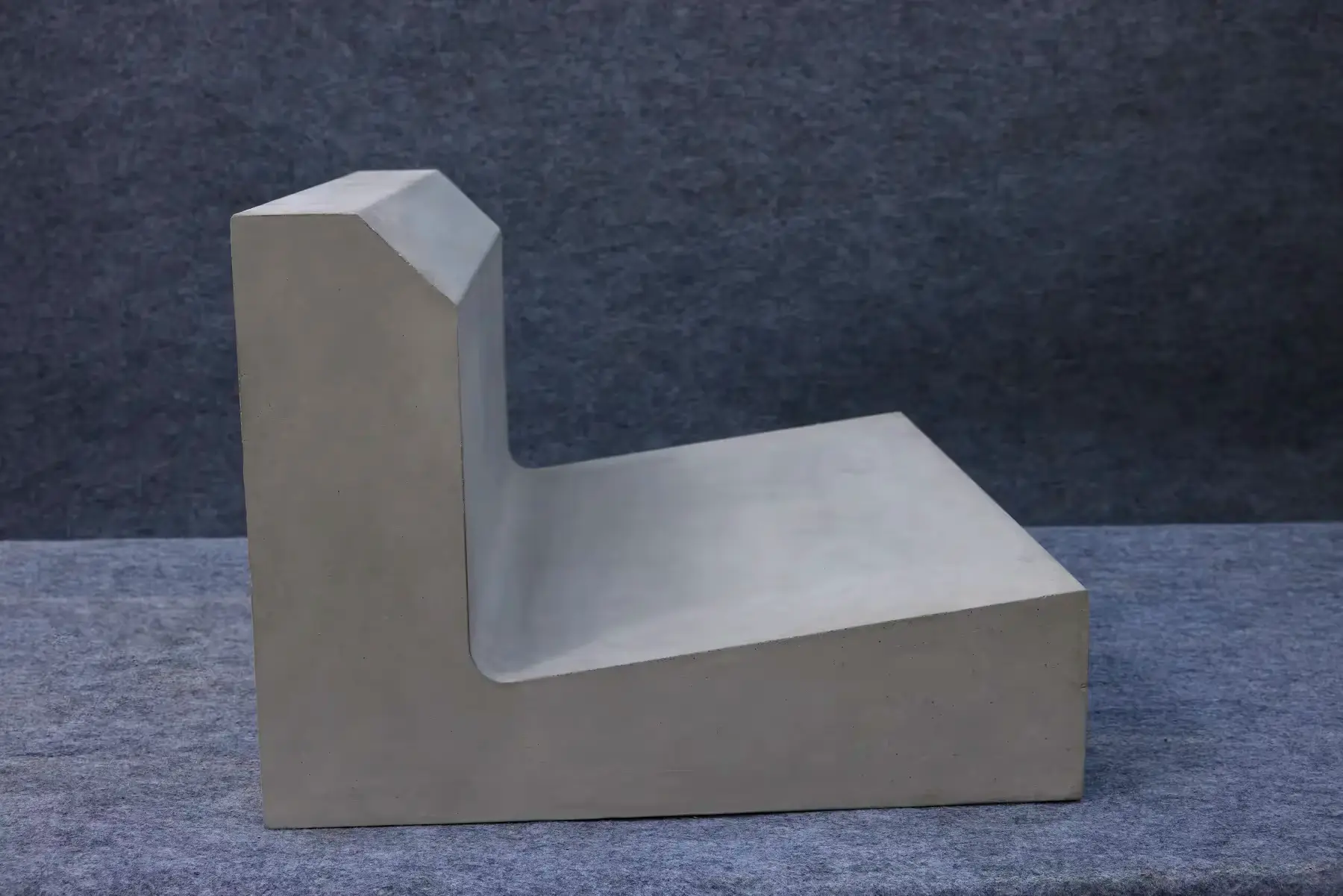
Where a project needs both a defined road or path edge and a drainage line running alongside it, an L-shape kerb with drain combines both functions into a single monolithic precast unit. It installs in one pass instead of two separate products, and because it's cast as one piece, there's no joint between the kerb and the channel for water to work its way through over time. This unit sits at the road edge, doing surface-level work; it isn't a substitute for a U-drain or box culvert handling higher-volume or buried conveyance elsewhere on the same site. Many projects use all three: a kerb-with-drain along the road edge, feeding into a U-drain or box culvert that carries the collected water to its exit point.
Decision Table: Matching Drain Type to Site Condition
| Site condition | Recommended profile | Why |
|---|---|---|
| Roadside or campus perimeter, no vehicle crossing | U-shape drain | Open, inspectable, lower cost for the same run length |
| Highways which require underpass drainage | Box culvert | Fully enclosed, rated to carry vehicle load overhead |
| High-volume catchment, limited surface width | Box culvert | Compact enclosed section carries more volume per metre of width |
| Road or path edge needing definition plus drainage | L-shape kerb with drain | Combines edge restraint and drainage in a single installed unit |
| Multiple traffic zones on one run | Mixed, matched zone by zone | Thickness and enclosure needs change with traffic load along the run |
Sizing the Drain to the Catchment
Getting the size right starts with the catchment area, not the pipe catalogue. A stormwater drain needs to be sized against the total area draining into it, roof area, paved surface, and any land contributing runoff during peak rainfall, combined with local rainfall intensity data for the site's region. Undersizing shows up immediately during the first serious monsoon as surface flooding at the drain's inlet; oversizing is a quieter, ongoing cost in unnecessary excavation and material. For any site larger than a single residential plot, working the calculation with a drainage engineer against local rainfall intensity figures is worth the time before drains are ordered.
Load Class: The Detail That Gets Missed Under Driveways
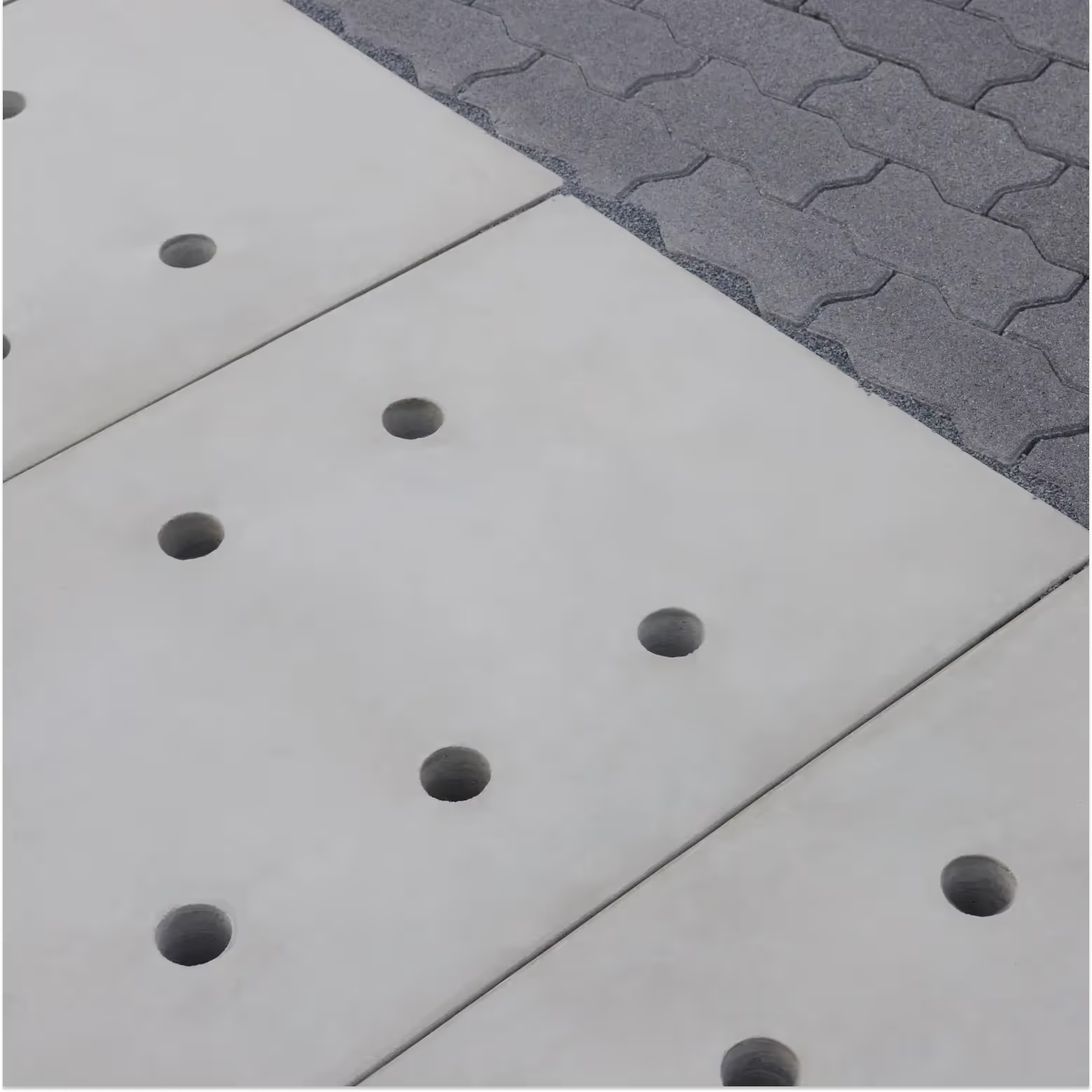
Not every drain thickness is rated for vehicle crossing, and this is one of the more common specification errors on real projects. A thinner, lighter-duty channel that performs perfectly well carrying roadside runoff can fail structurally if it's installed under a driveway without confirming its traffic rating first. Before specifying any drain profile for a location vehicles will cross, whether that's a box culvert, a covered U-drain, or a drain cover slab, confirm the traffic rating explicitly rather than assuming enclosure alone means it can bear load.
Where Each Type Is Typically Used
- U-shape drains. Roadside collection, campus perimeters, service corridors, anywhere open-channel maintenance access matters more than a load-bearing top.
- Box culverts. Driveway and internal road crossings, high-volume catchments, sites where surface footprint is constrained.
- L-shape kerb with drain. Road and path edges needing combined edge definition and drainage collection in a single pass.
Why Precast Construction Matters More on Drains Than Almost Anywhere Else

A drain fails at exactly one place: the joint between two sections. Water finds the gap where dimensional tolerance slipped, and over enough monsoons that gap becomes a leak, then a void beneath the surface, then a sinkhole nobody saw coming until the road above it gave way. A cast-in-situ channel depends on formwork accuracy and weather conditions at the moment of the pour to hit its dimensions consistently along a long run, and a drainage network is nothing but long runs of jointed sections.
Basant Betons brought precast technology into its portfolio after decades in concrete paving, with multiple drainage options manufactured using technology sourced from Japan. That progression matters here specifically because it means the same dimensional consistency that keeps a paver joint tight is applied to a drainage network's joints too, where the consequences of a loose tolerance are buried and expensive to fix rather than merely cosmetic.
Frequently Asked Questions
How do you size a stormwater drain for a site?
Sizing is based on total catchment area (roof, paved surface and contributing land), combined with local rainfall intensity data for the region. For anything beyond a single residential plot, working the calculation with a drainage engineer against actual local rainfall figures is the reliable approach rather than using a generic sizing rule.
Box culvert vs U-shape drain: when do you use each?
A U-shape drain is an open channel suited to roadside and perimeter drainage where nothing needs to drive directly over it. A box culvert is a fully enclosed structure required wherever the drain sits under a road, driveway or any area vehicles cross, since it's engineered to carry both water flow and vehicle load at once.
What load class does a drain cover need under vehicle traffic?
The specific load class depends on the vehicle types crossing it, but the key point is that not every drain thickness is rated for vehicular crossing by default. Confirm the traffic rating explicitly against your site's actual vehicle load before specifying any drain profile for a location that will see vehicle crossings.
Can a U-drain be converted to carry vehicle traffic later?
Not without significant rework. A U-drain is open-topped by design; adapting it to bear vehicle load typically means adding a rated cover system or replacing the run with an enclosed profile like a box culvert, rather than a simple retrofit. It's more cost-effective to specify correctly for the traffic pattern from the outset.
What's the difference between a stormwater drain and a kerb with drain?
A stormwater drain, whether a U-drain or box culvert, is a conveyance structure moving collected water to an exit point, often at higher volumes and over longer runs. A kerb with drain works at the road edge, combining edge definition with drainage collection in a single unit, and typically feeds into a larger drain rather than replacing one.
Do drain covers need to be included in the specification separately?
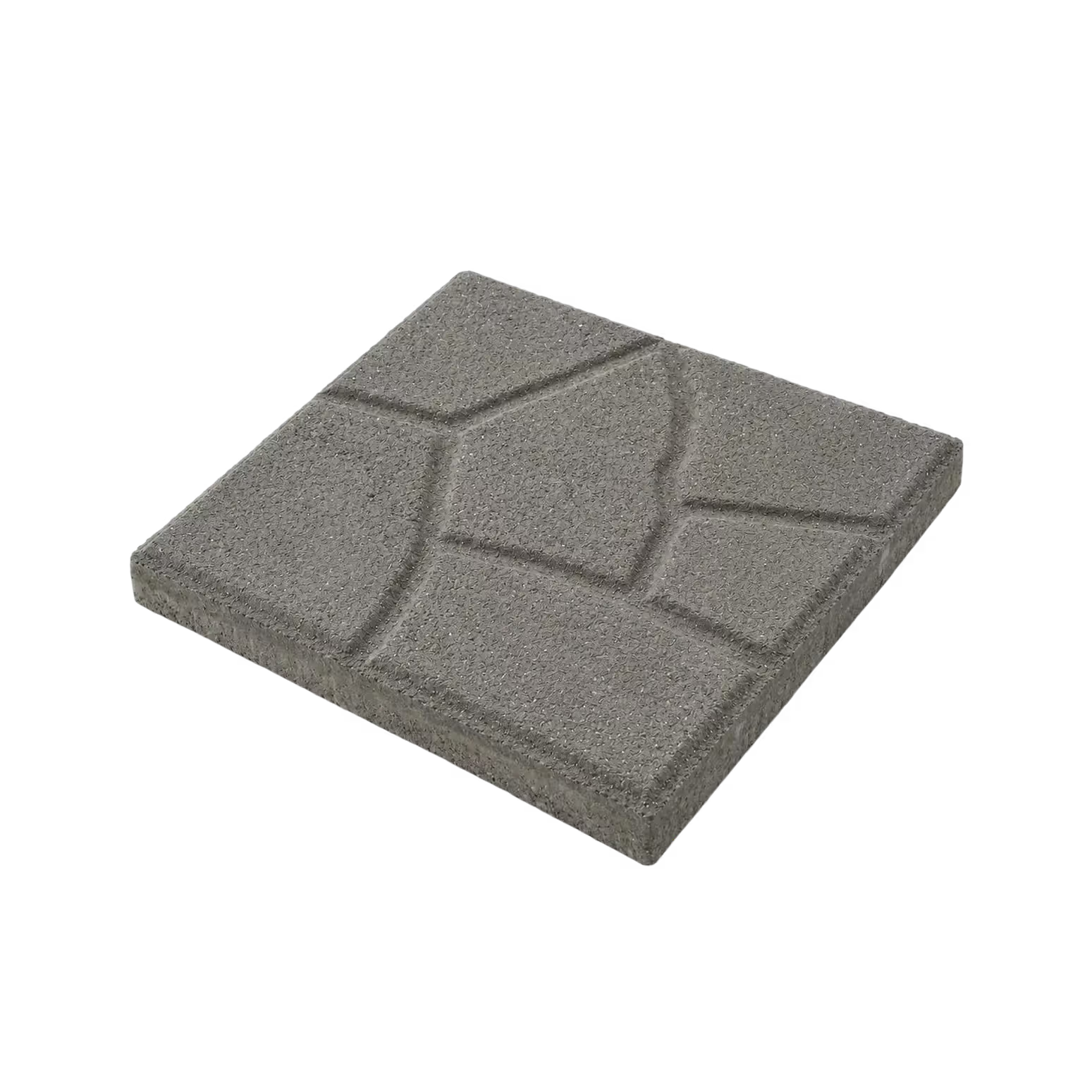
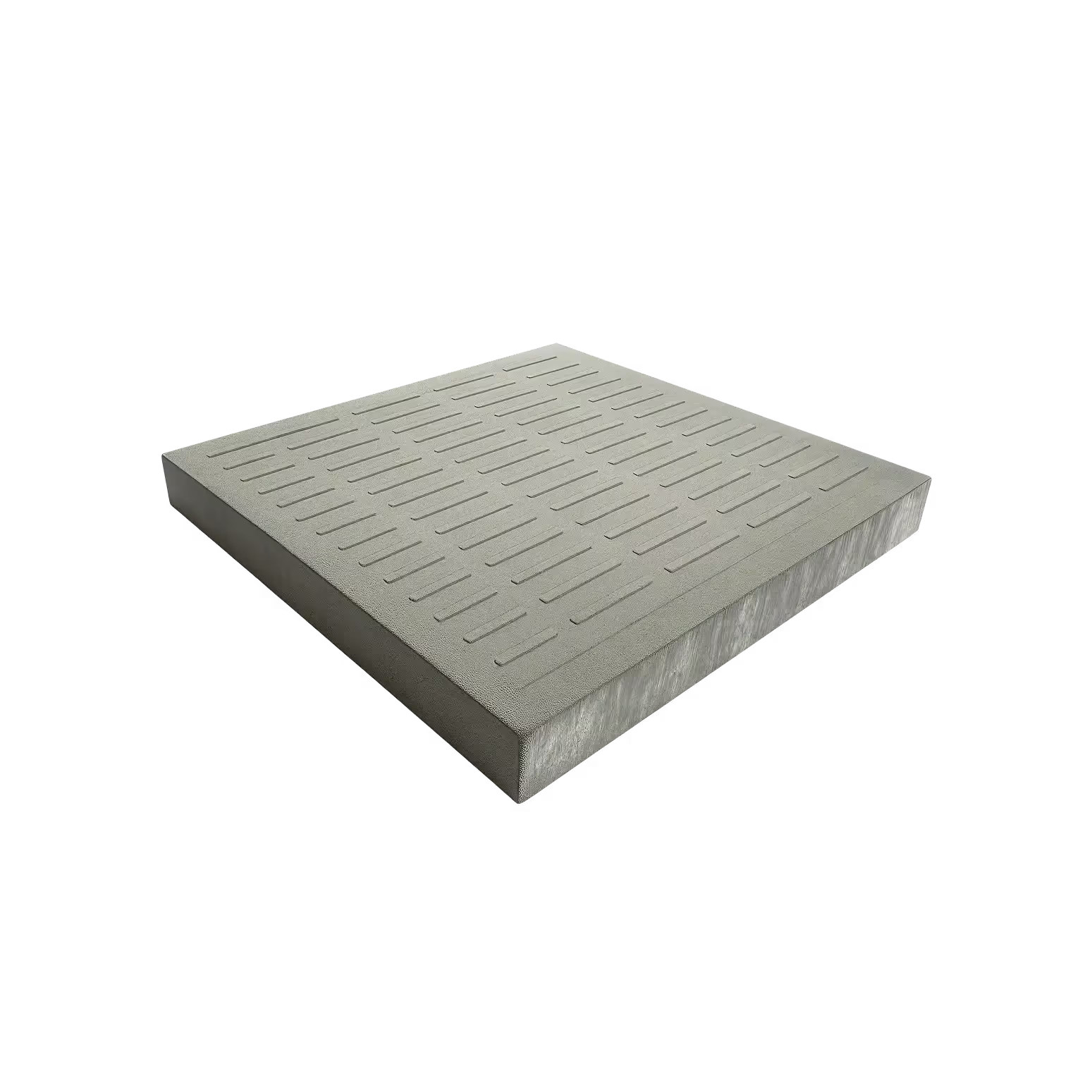
Where a drain needs to remain accessible while also bearing surface load, a drain cover slab handles that dual role. This is typically specified alongside the drain itself rather than as an afterthought, since retrofitting access covers onto an already-installed run is more disruptive than planning for it upfront.
Basant Betons drains and culverts have been specified across premium large-scale developments as well as institutional and industrial sites where catchment volume and vehicle load both had to be accounted for. Browse the drainage and ducts range, or write to us at enquiry@basantbetons.com with your catchment area and traffic pattern, and we'll help you match the right profile to the run.