

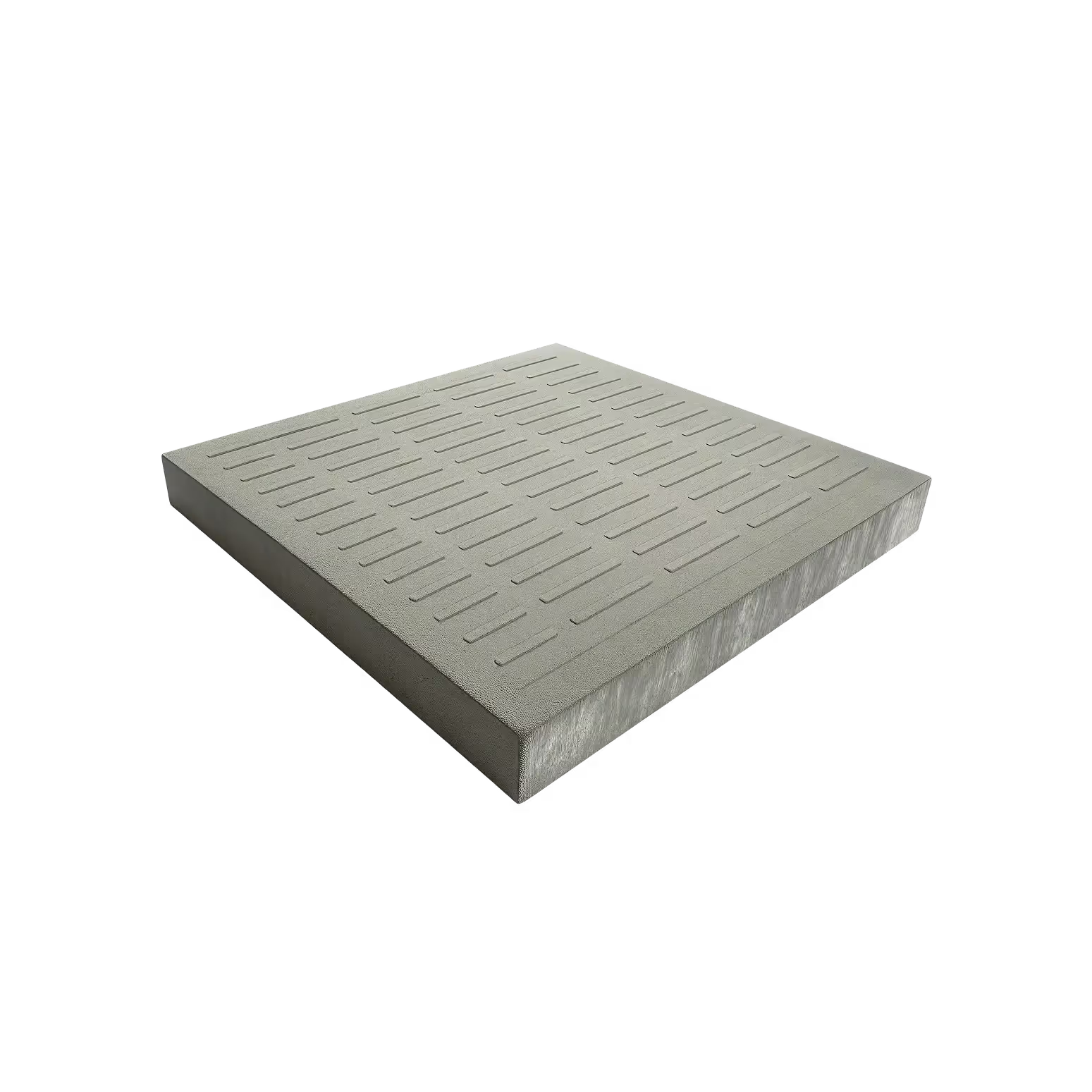
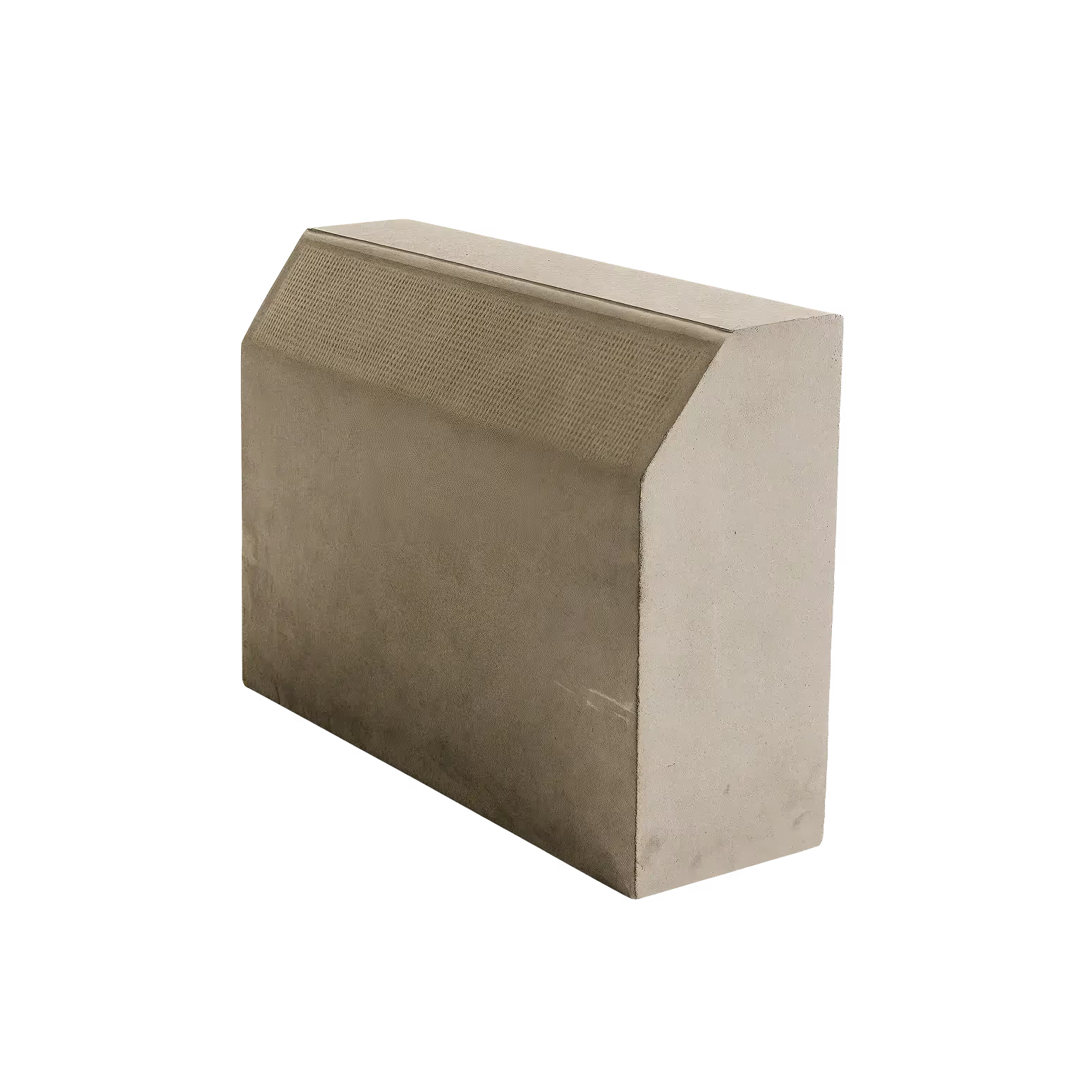


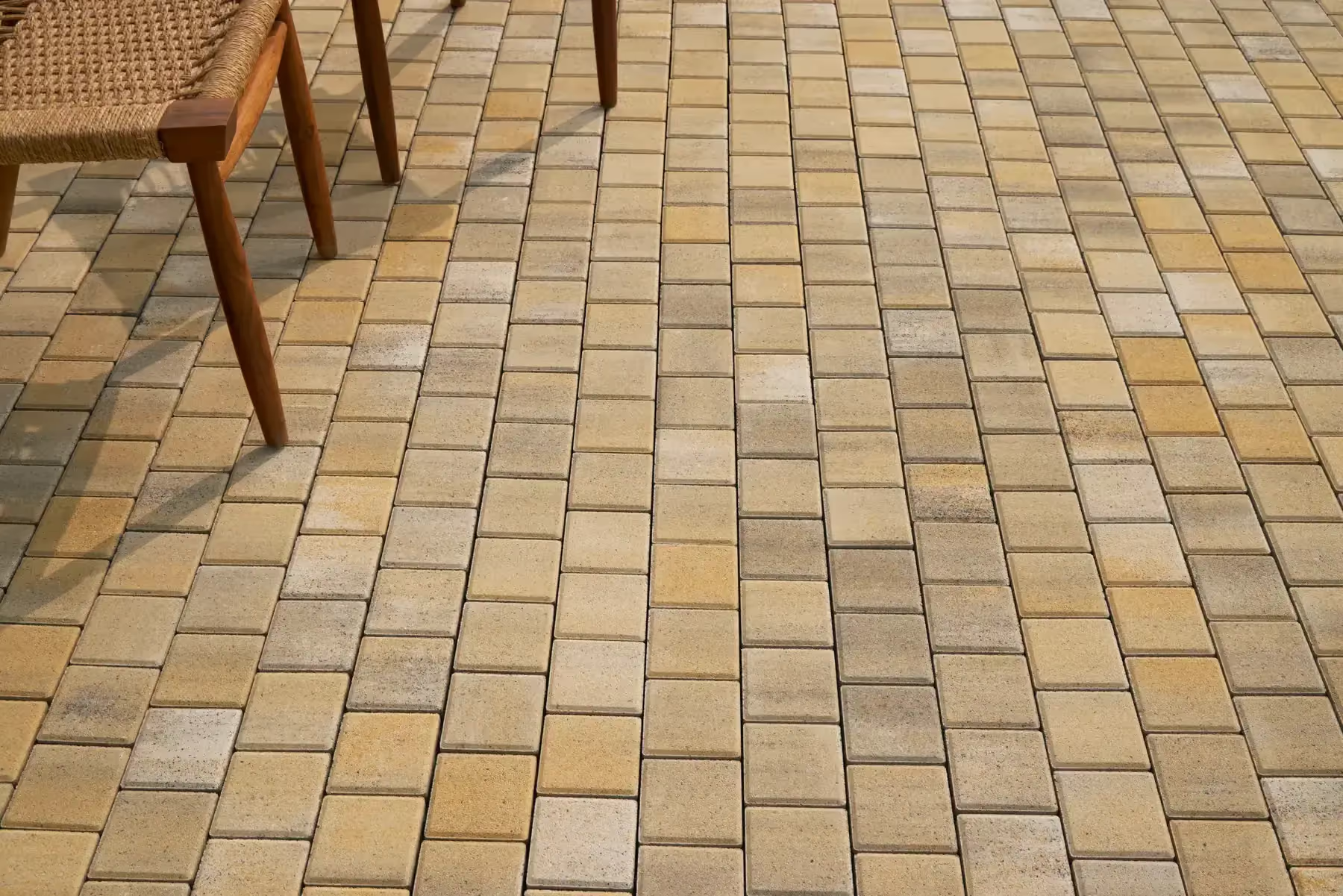
Paver block thickness is not an aesthetic choice, but determined by the traffic it needs to carry. Choosing the right thickness is a very important decision and we often recommend clients to build for future expectations rather than building for the traffic they have today.
The Three Standard Thicknesses and What They're For
Concrete pavers in India are manufactured predominantly in three thickness bands, and each maps to a specific load category rather than being an arbitrary size choice.
- Under 60mm pavers are largely decorative and specified for walkways only.
- 60mm - 80mm is the standard for light-to-medium traffic: residential driveways, internal roads within a compound, walkways and plazas. It's the most commonly specified thickness for home and light commercial projects, and it's sized to handle passenger vehicles in alighting zones and foot traffic, without being over-engineered for loads it won't see.
- 80mm - 100mm steps up for medium-to-heavy vehicular traffic: service lanes, commercial driveways, and areas with more frequent or heavier vehicle movement than a typical residential driveway. It's also the thickness commonly specified for hospitals, IT parks and schools, sites with regular vehicle turnover but not full industrial load.
- 100mm+ is reserved for heavy-traffic and industrial applications: depots, ports, public transit systems, factories, tech parks and petrol stations, anywhere trucks, buses or heavy machinery move regularly. This is not a thickness to specify by default; it's a specific answer to a specific load requirement, and using it where 60mm or 80mm would suffice adds unnecessary material cost.
Thicknesses in Grass Pavers Work Differently
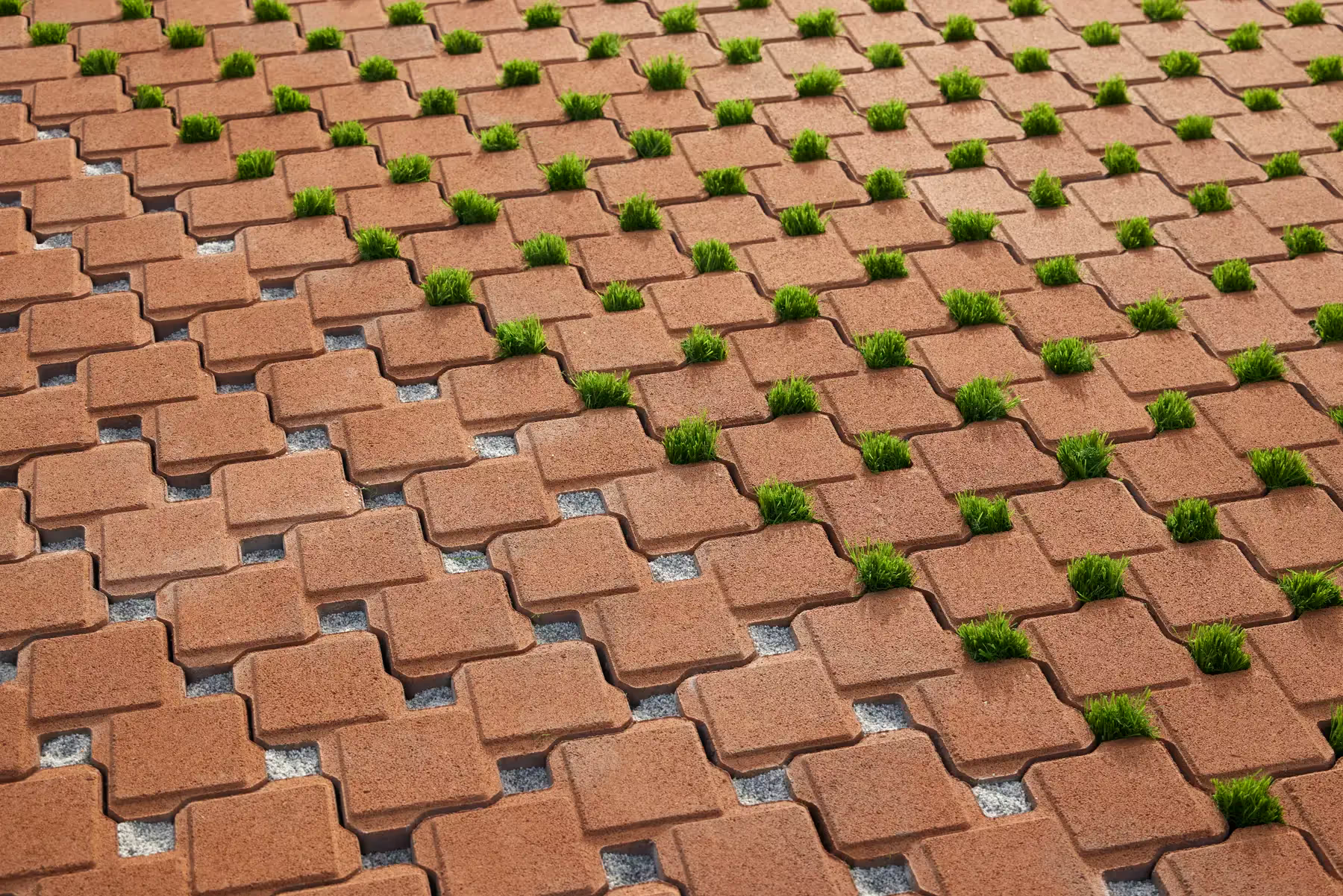
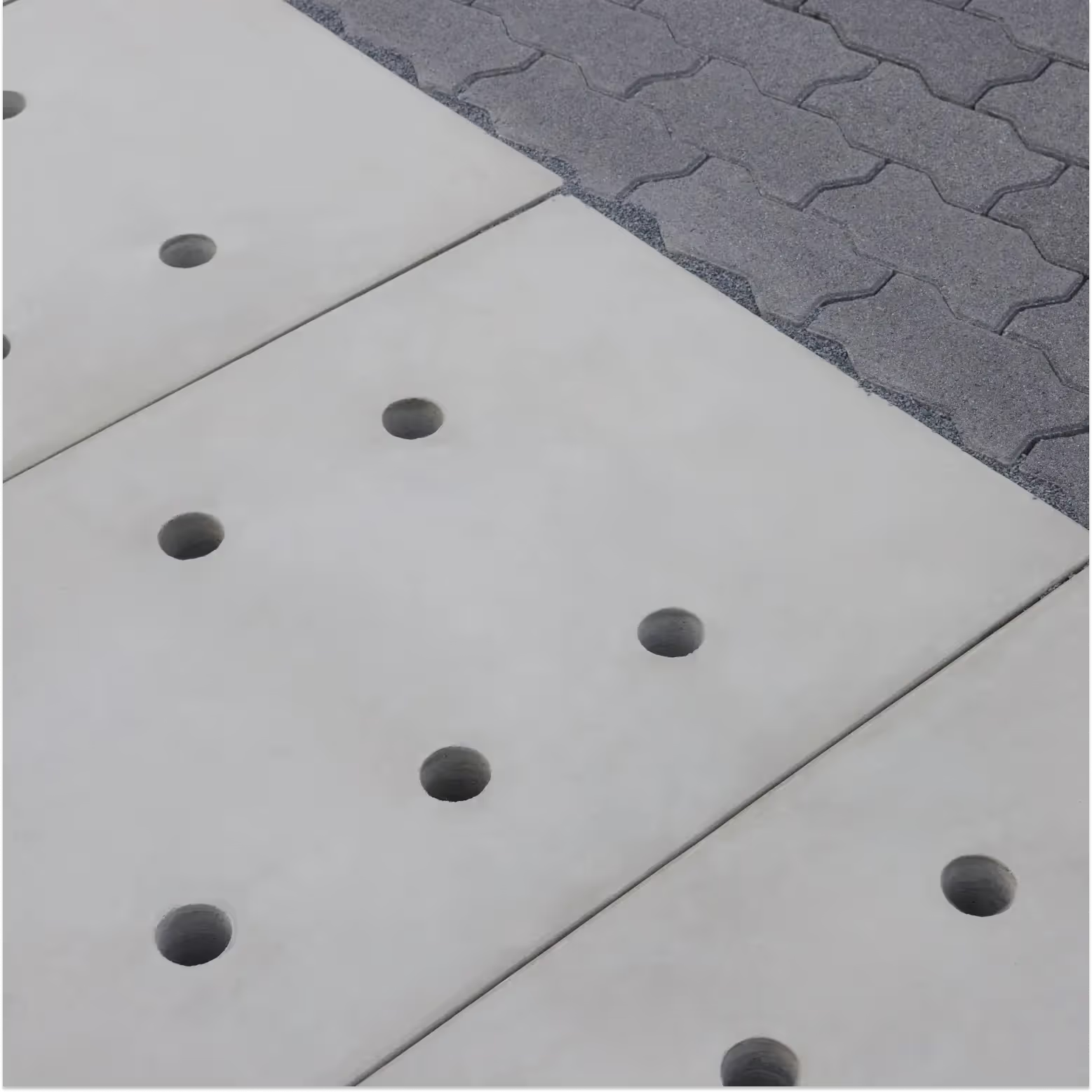
Grass pavers have voids to support grass growth or different infills, thus each block is designed entirely differently - it features completely different engineering to stay stable under loads. While 100mm on a standard paver can withstand heavy loads, grass pavers need much greater thickness to withstand the same load. Our Artline Grass Paver at 120mm thickness is specifically engineered to withstand even fire tenders!
60mm vs >80mm Paver: What Actually Changes
As you’re already up to speed, more concrete thickness means a higher load-bearing capacity, but the practical decision point for most projects comes down to what's actually driving over the surface and how often.
| Factor | 60mm | 80mm and above |
|---|---|---|
| Typical use | Residential driveways, internal roads, plazas | Service lanes, commercial driveways, institutional sites |
| Vehicle type | Passenger cars, occasional light traffic | Frequent vehicle turnover, commercial traffic |
| Common settings | Homes, villa compounds, walkways | Hospitals, IT parks, schools, petrol stations |
A useful rule of thumb on real sites: where 100mm and 80mm variants are already specified for the heaviest-traffic zones of a project, 60mm can typically continue seamlessly into medium-traffic walkways nearby, keeping visual continuity across zones that don't share the same load requirement.
Why Laying Matters at Every Thickness
Thickness alone doesn't determine how well a paved surface performs under load, the laying pattern matters just as much. A break-joint pattern, where units interlock at an angle rather than running in straight aligned rows, provides the strongest mechanical interlock of any common paving pattern. That interlock distributes weight across neighbouring units rather than concentrating it on whichever paver happens to be directly under the load, which meaningfully extends service life in any traffic zone, but especially in medium-to-heavy traffic areas where an 80mm or 100mm thickness is already doing the structural work.
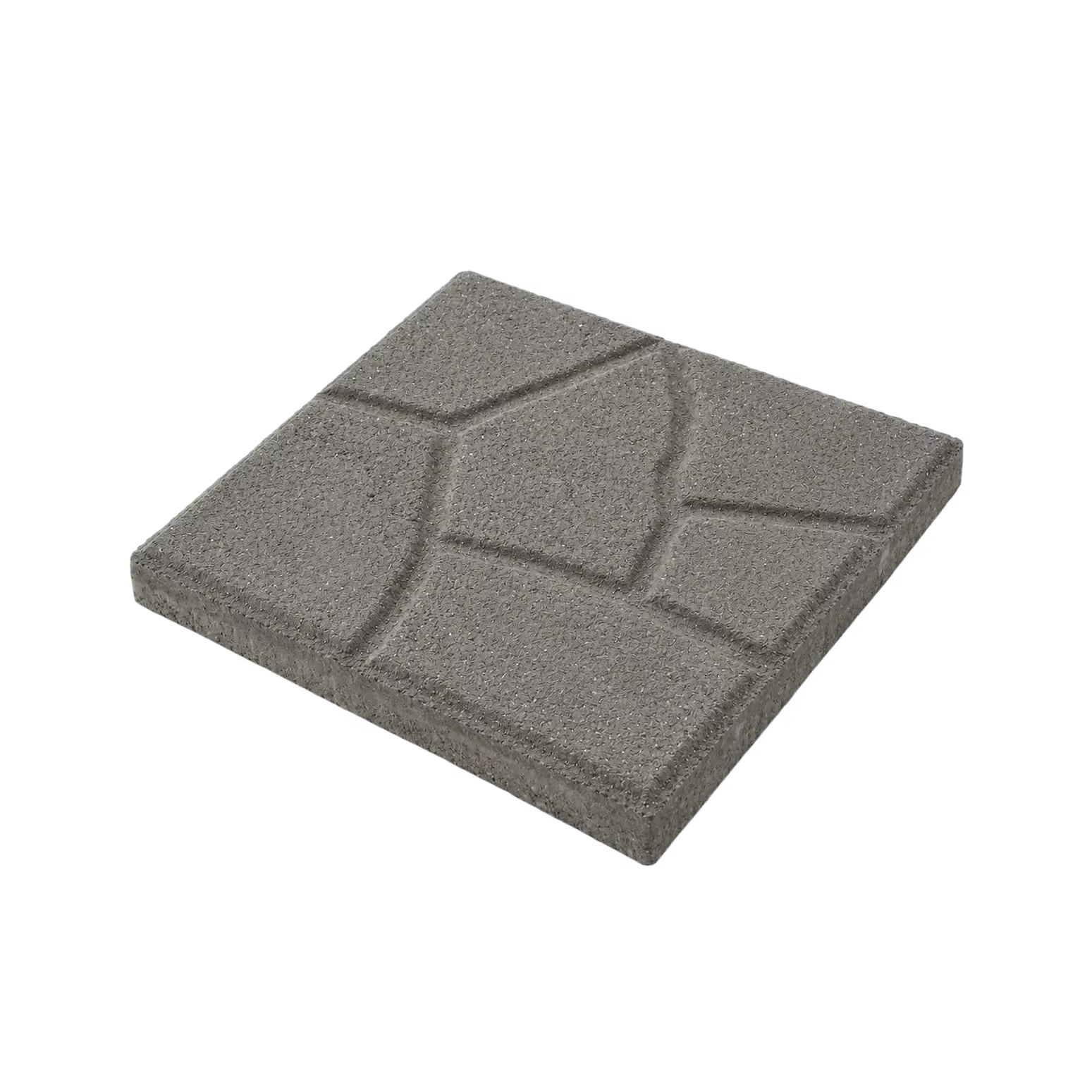
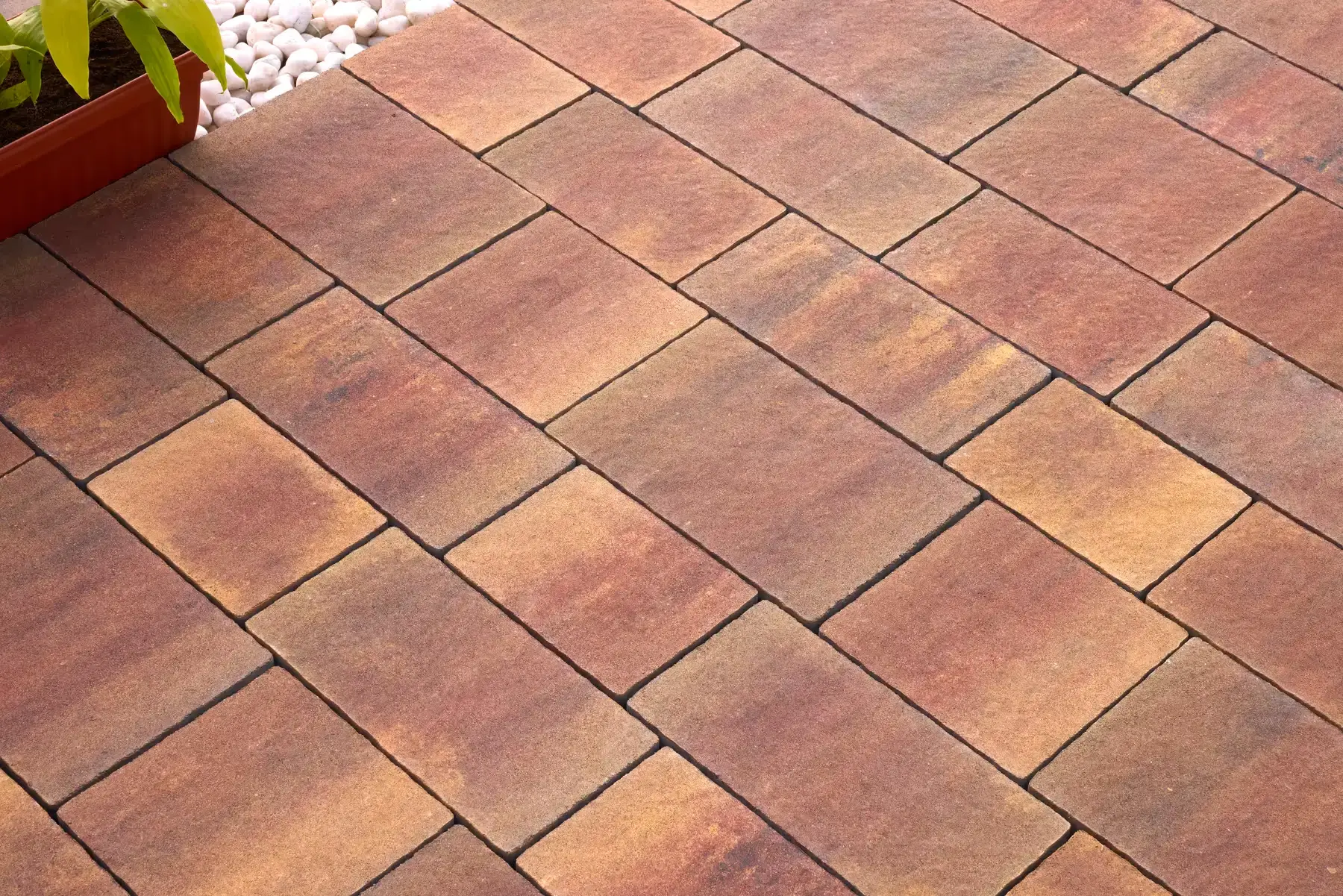
An important nuance: While paver thickness determines traffic, paver size also has a role to play. Larger format pavers often have thicknesses upwards of 60mm, however, due to the larger surface areas they remain decorative pavers and are unsuitable for heavy loads.
Standard Paver Dimensions
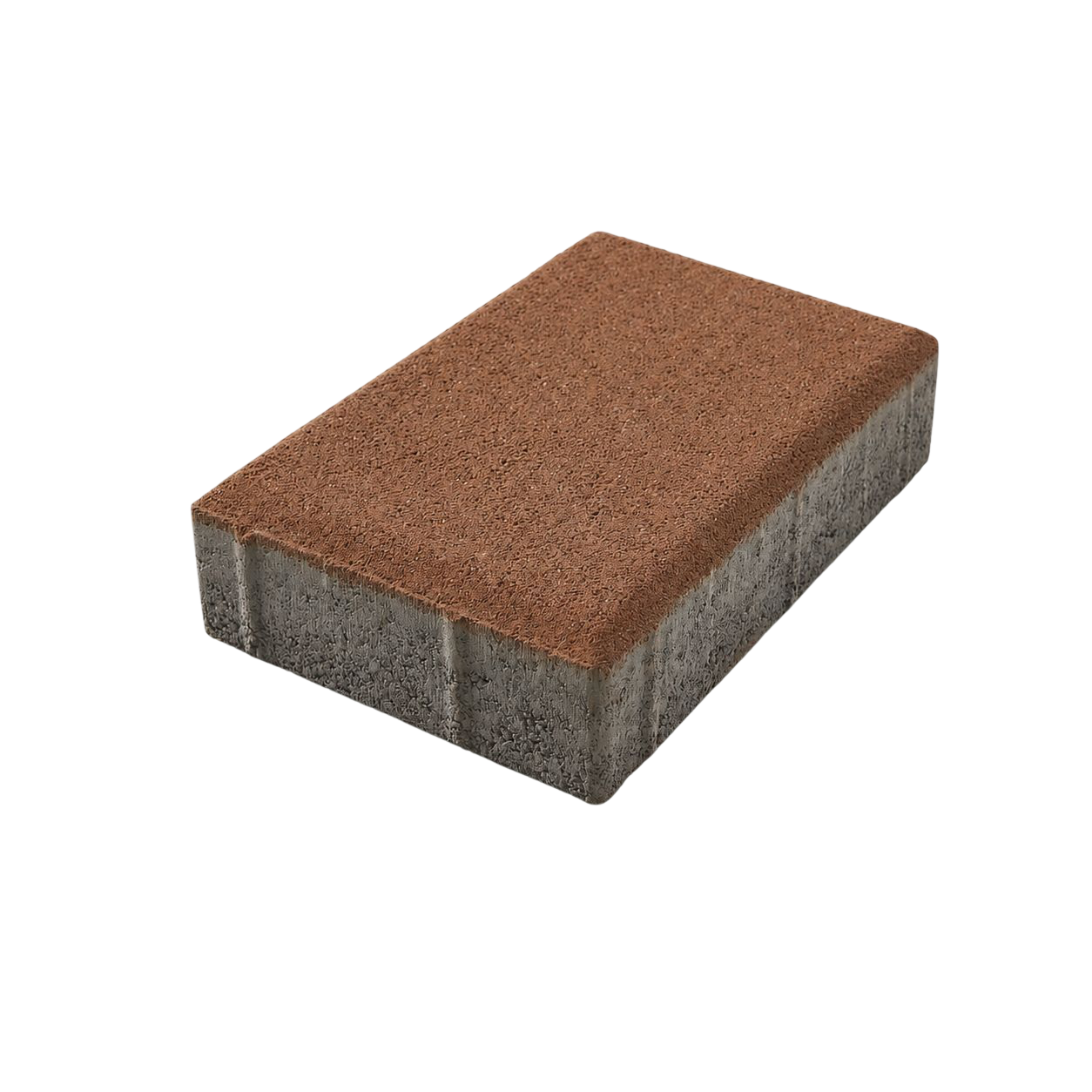
Beyond thickness, plan-view dimensions vary by product line, rectangular units like Keyblok are commonly available around 200mm x 100mm, while square and interlocking profiles vary by design. Rather than working from a single universal dimension, the practical approach is to confirm plan dimensions against the specific product range being specified, since pattern compatibility (which units can be mixed, like Keyblok alongside Square pavers or Concrete Cobbles) depends on matching dimensions across the units being combined.
A Simple Decision Framework
- Identify the traffic type for each zone of the project separately. A single project often has multiple traffic categories, a driveway, a walkway, a service entry, and treating the whole site as one traffic type usually means over- or under-specifying somewhere.
- Match thickness to the heaviest realistic load in that zone, not the average load. A driveway used daily by passenger cars but occasionally by a delivery truck should be specified for the truck, not the average day.
- Confirm pattern compatibility if mixing paver types across a site. Not every product line shares dimensions, so pairing units for a multi-texture design needs to be checked against actual plan dimensions before ordering.
- Default to herringbone in any zone carrying vehicle traffic, since the interlock strength meaningfully affects how long the surface performs before joints start to shift under load.
- Don't default to the thickest option "to be safe." Matching thickness to actual load keeps cost proportional to requirement; over-specifying uniformly across a site is a common and avoidable cost overrun.
Common Specification Mistakes
- Specifying by area rather than by zone. It's faster to order one thickness for an entire project, but a site rarely has uniform traffic. Treating a driveway, an adjoining walkway and a service entry as one zone usually means the walkway is over-specified or the service entry is under-specified, since they don't share the same load profile even when they're paved in the same visit.
- Assuming thicker always means safer. A thicker paver costs more and isn't automatically the more durable choice if the added thickness isn't matched by proper base preparation. A 100mm paver over an inadequately compacted sub-base will still shift and settle, thickness alone doesn't compensate for a weak foundation underneath it.
- Ignoring occasional heavy loads. A residential driveway used daily by passenger cars but occasionally by a moving truck or a concrete pump during construction needs to be specified for that occasional heavy load, not just the everyday case. Pavers that perform fine under daily use can crack under a one-time load they weren't rated for.
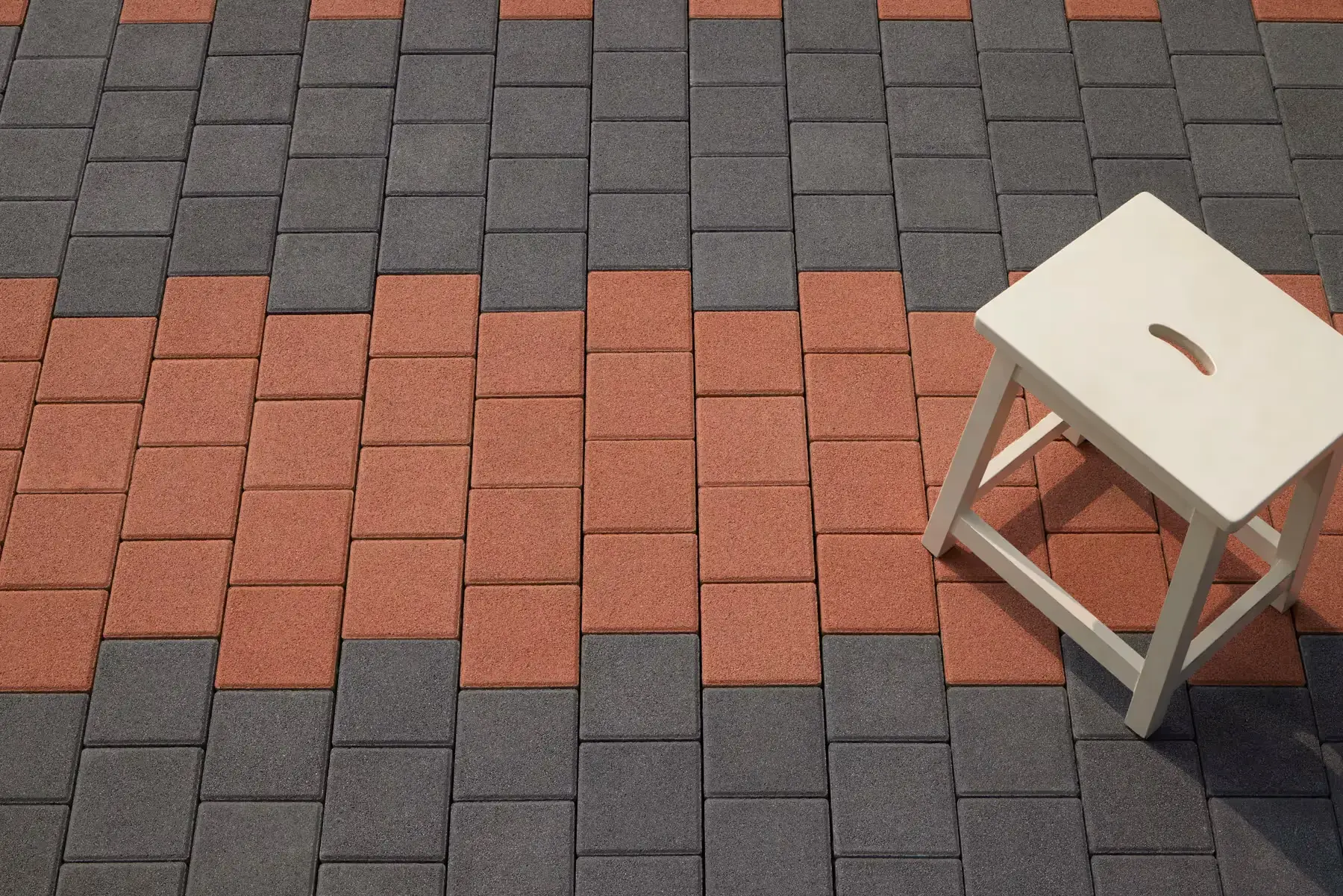
- Mixing product lines without confirming dimensional compatibility. Combining Keyblok with Square pavers or Concrete Cobbles for a multi-texture design works well when dimensions are actually compatible, but assuming compatibility without checking plan dimensions against the specific ranges being mixed is a common source of installation headaches and wasted material.
Frequently Asked Questions
What thickness of paver block is used for a driveway?
A standard residential driveway is typically specified at 60mm, which is rated for passenger vehicles and light traffic. Driveways with heavier or more frequent vehicle use, service entries or commercial access points, are more appropriately specified at 80mm.
What is the difference between 60mm and 80mm pavers?
The core difference is load-bearing capacity. 60mm suits residential driveways, internal roads and plazas with passenger vehicle and foot traffic, while 80mm is specified for medium-to-heavy traffic like service lanes, commercial driveways and institutional sites with more frequent vehicle turnover.
What are standard paver block sizes in India?
Thickness is standardised around 60mm - 80mm, 80mm - 100mm and 100mm+ bands tied to traffic load, while plan-view dimensions vary by product range, rectangular units are commonly available around 200mm x 100mm, with square and other interlocking profiles varying by design. Confirm exact plan dimensions against the specific product line being specified.
Can different paver thicknesses be mixed on the same site?
Yes, and it's common practice. A single project often uses 100mm or 80mm in heavy-traffic zones and steps down to 60mm in adjacent walkways or plazas, maintaining visual continuity while matching thickness to the actual load in each zone.
Does laying pattern affect how much thickness I need?
Pattern doesn't change the thickness required for a given load, but it does affect how well that thickness performs over time. A break-joint pattern provides the strongest interlock and distributes load more evenly than a straight-aligned pattern, which extends service life particularly in vehicular traffic zones.
Is 100mm paver overkill for most projects?
For residential and light commercial use, yes. 100mm is specifically engineered for heavy industrial and high-traffic applications like depots, ports and factories. Specifying it for a standard driveway or walkway adds cost without a corresponding functional benefit.
Once you know the traffic load for each zone of your project, matching thickness is straightforward. Browse our full paver range, including the Keyblok traffic variants across 60mm, 80mm and 100mm, or our paving tiles range for lighter, height-restricted applications. Write to us at enquiry@basantbetons.com with your project's traffic zones and we'll help you spec it correctly.