


Two projects paving the exact same square footage can land on very different numbers, not because one supplier is overcharging, but because "paver block price" isn't actually one number.
The rate of a paver order price is determined by:
- Thickness
- Finish
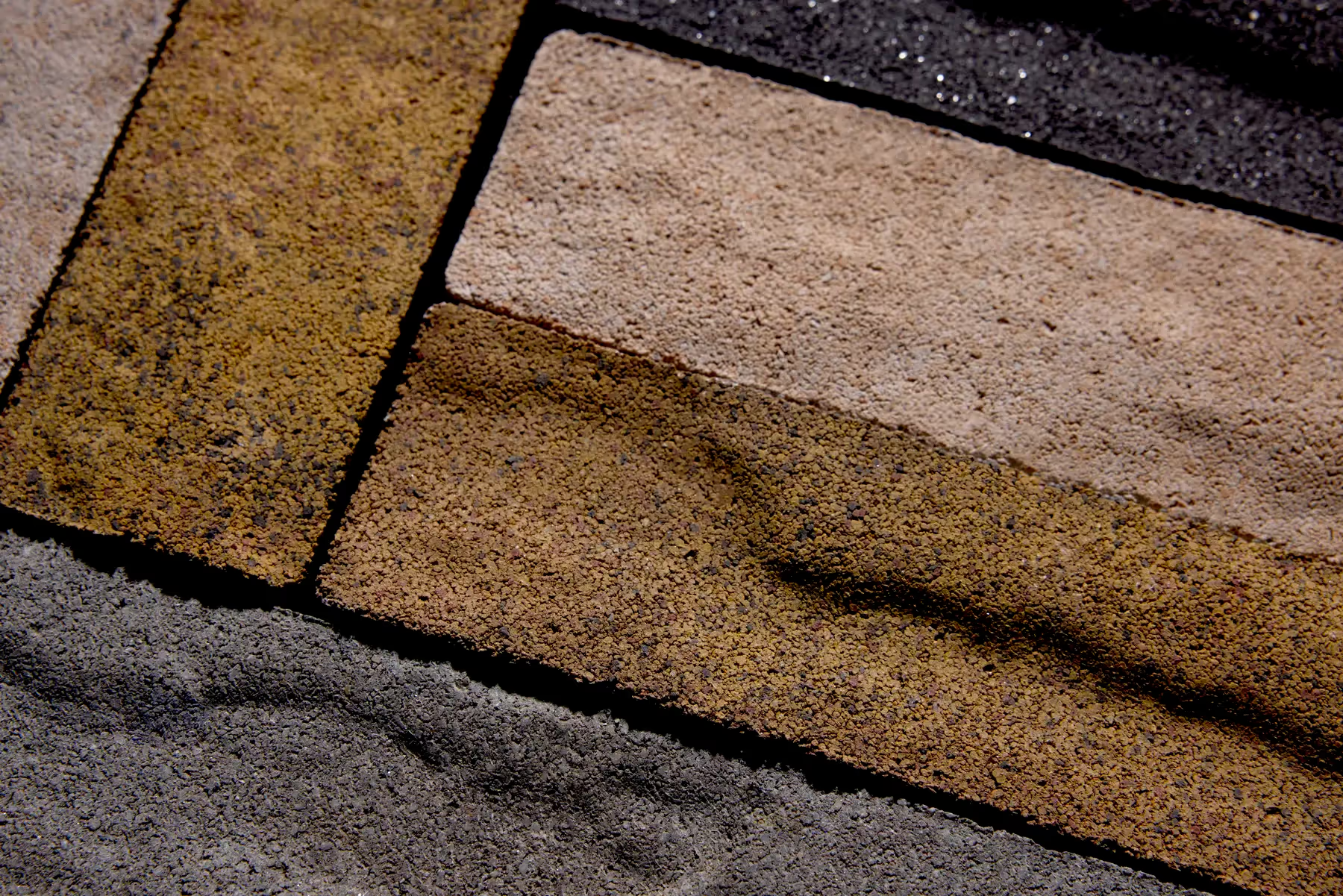
- Pattern complexity
- Colour
- Order volume
- Delivery distance
And not to forget - the installation, handled by the contractor.
Each factor listed above moves the final figure independently. Understanding those levers is what lets you budget accurately before you make a choice and request a quote. It’s also what lets you ask a supplier the right questions instead of just comparing two numbers that may not be comparing like for like.
Thickness
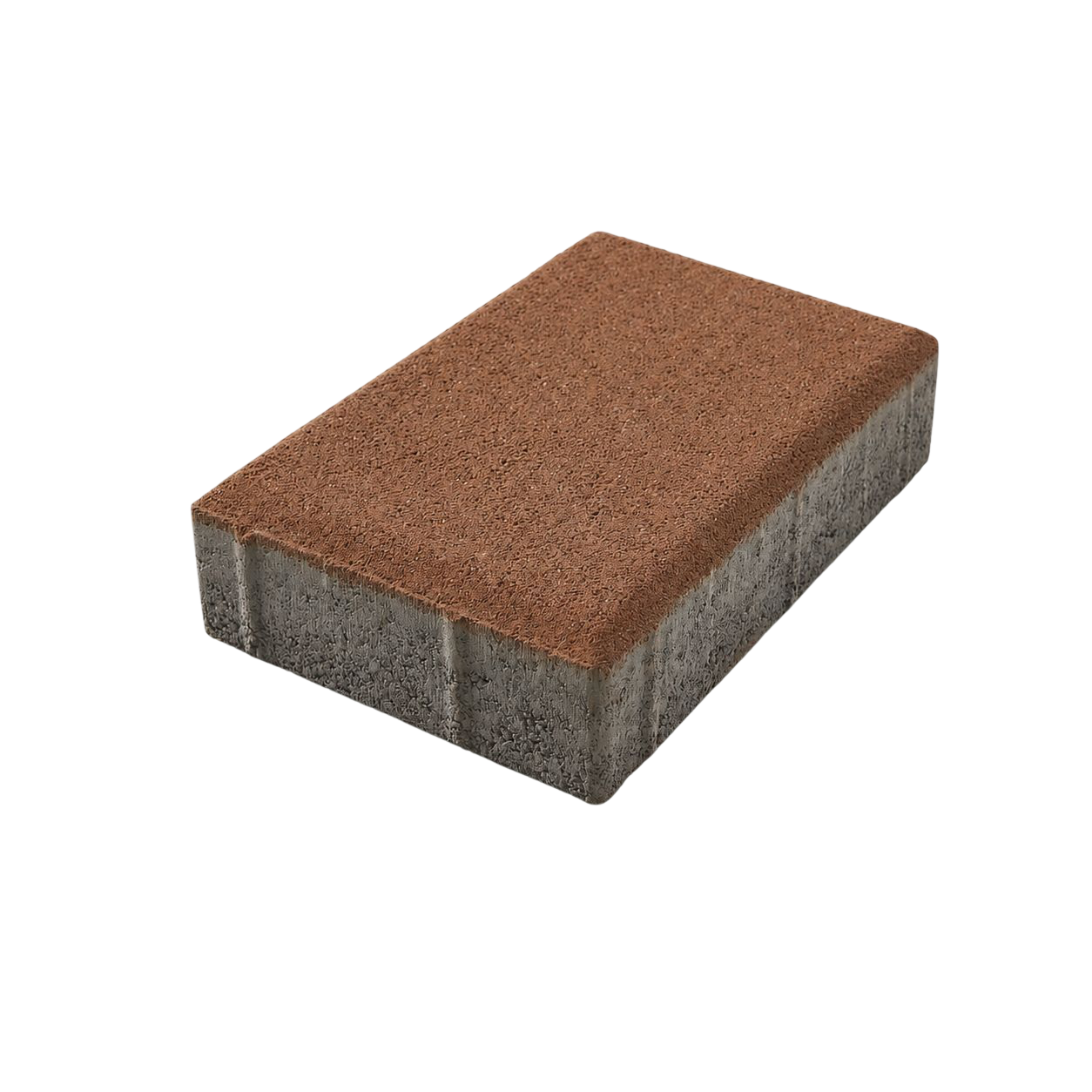
More concrete per unit means more raw material. A 60mm paver, suited to residential driveways uses meaningfully less material than an 80mm or 100mm variant engineered for factories, depots or heavy-vehicle zones. This isn't a place to economise by underspecifying, though. A thinner paver installed where traffic demands a thicker one doesn't just wear faster, it can fail structurally under load it was never designed to carry, turning a short-term saving into an early full replacement.
Finish, Surface Treatment, Colours
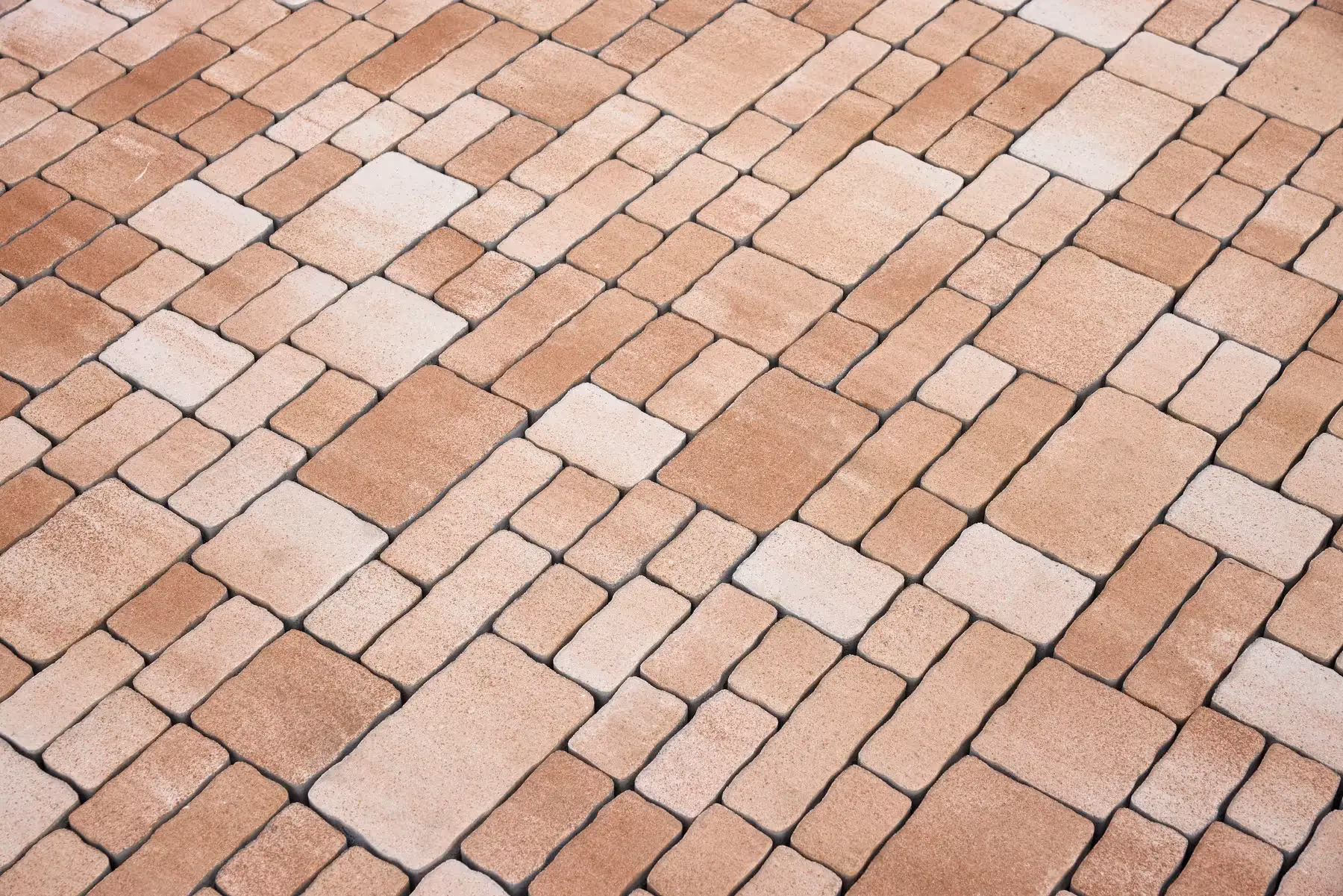
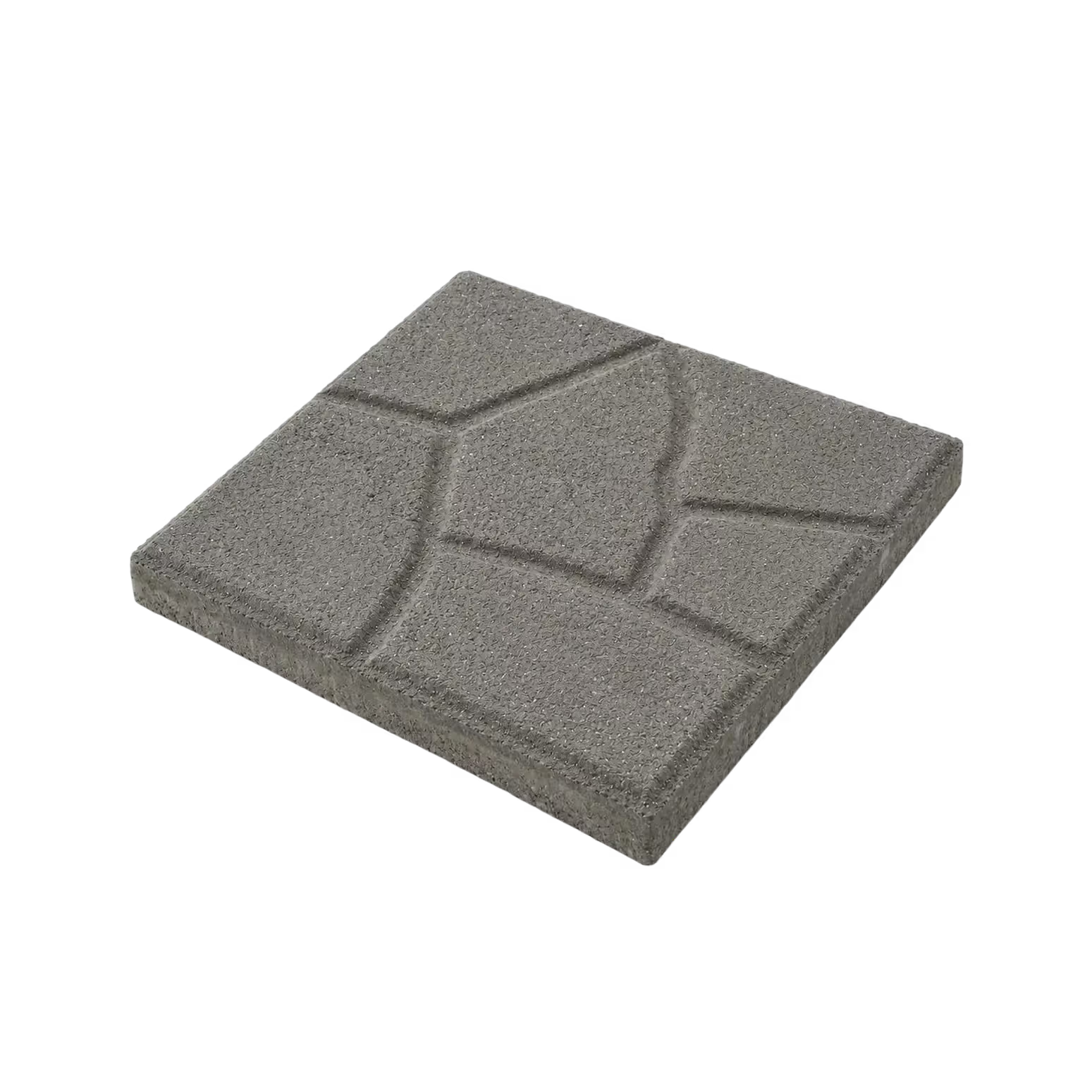
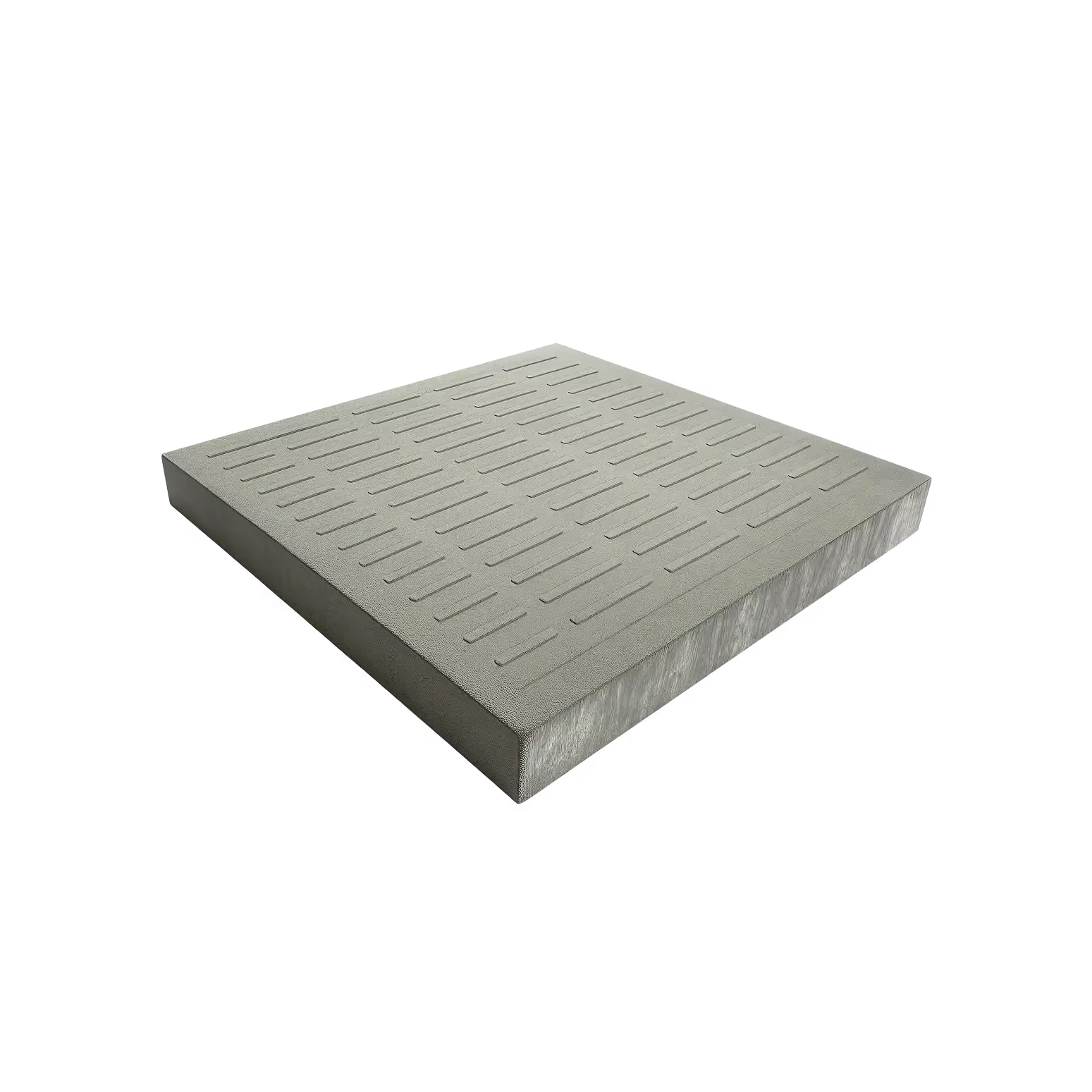
A plain, standard-finish paver in natural concrete grey is the simplest product to manufacture. Textured finishes, shot-blasting, exposed aggregate, solid colours, colour blends, even a fine-finish - all add manufacturing steps, and that additional processing changes the final rate. This is a genuine trade-off worth having explicitly with your supplier: a textured finish often earns its cost back in slip resistance and long-term visual wear, so the decision should weigh function and design intent, not just the line-item difference.
Order Volume
A large single order for one project typically works out more efficiently per unit than several small, staggered orders for the same total area, since production runs, colour batching and logistics all get more efficient at volume. If a project is being phased, discussing the full anticipated volume with your supplier upfront, even if delivery is staged, can be more cost-effective than treating each phase as an independent order.
Base Preparation and Installation
The paver itself is only part of the total project cost. Sub-base preparation, whether that's a compacted aggregate base for a driveway or a bonded concrete bed for an indoor tile installation, is a separate cost that varies significantly with soil conditions, drainage requirements and site accessibility. A site with poor existing soil or drainage challenges will cost more to prepare properly regardless of which paver is chosen, and skipping proper base preparation to save on this line item is one of the more common causes of early paver failure, sinking, shifting, uneven joints, well before the paver itself has reached the end of its service life.
A Practical Budgeting Checklist
Before requesting quotes, having answers to the following makes it much easier to compare suppliers on a like-for-like basis:
- What traffic load does each zone of the project actually need to handle, and has thickness been specified accordingly rather than assumed?
- Is the finish decision driven by function (grip, wear resistance), aesthetics, or both?
- Is the pattern straightforward or does it involve custom colour blending?
- Is the full project volume known, even if delivery will be phased?
- What condition is the base in, and has sub-base preparation been budgeted as its own line item?
- How far is the site from the supplier, and what does site access look like for delivery?
Regional and Seasonal Factors
Two identical specifications can still land on different costs depending on where and when you're buying. Proximity to a manufacturing facility affects the transport component covered above, but raw material costs, cement and aggregate pricing specifically, also shift regionally and seasonally, and manufacturers typically pass some of that variation through. Monsoon-season demand spikes in some markets as projects rush to complete before heavy rains, which can affect lead times more than price directly, but tight lead times sometimes carry their own premium if a project needs expedited production or delivery. None of this is predictable enough to build into a fixed budgeting rule, but it's worth asking your supplier directly whether current pricing reflects any seasonal or regional factors specific to your order timing.
How to Read and Compare Quotes Properly
Once you have quotes in hand from more than one supplier, the comparison is rarely as simple as looking at the bottom line. A few questions worth asking before deciding:
- Does the quote specify exact thickness and traffic rating, or is it a generic per-square-foot figure that assumes a standard specification you haven't confirmed matches your project?
- Does the quote account for wastage? Most paving projects need a buffer, typically five to ten percent, for cuts, breakage and pattern-matching at borders. A quote that doesn't build this in may look artificially lean.
- What's the lead time, and does it match your project schedule? A lower quote with a lead time that pushes your project past a deadline may not actually be the more cost-effective choice once delay costs are factored in.
Frequently Asked Questions
How much does a paver block cost per square foot in India?
Cost varies significantly based on thickness, finish, pattern complexity, order volume and site-specific factors like base preparation and delivery distance, so there isn't a single reliable figure that applies across projects. The most accurate way to budget is to specify these variables for your actual project and request a quote based on them.
Why do paver prices vary between suppliers?
Raw material and manufacturing differences drive differences in paver manufacturing from supplier to supplier. At Basant Betons, we only use German machinery and moulds in our manufacturing units, guaranteeing international standards.
Is a thicker paver worth the extra cost?
It depends entirely on the traffic load the surface needs to handle. A thicker paver is worth the additional cost wherever vehicle traffic, heavy foot traffic, or occasional heavy loads are expected, since underspecifying thickness for the actual load is one of the more common causes of early paver failure. For light-traffic residential use, a standard thickness is usually the more cost-effective and entirely appropriate choice.
What's the biggest hidden cost people forget to budget for?
Base preparation. It's easy to focus on the paver's price and treat sub-base work as a minor add-on, but proper preparation, particularly on sites with challenging soil or drainage conditions, can be a significant part of total project cost, and skipping it to save money is one of the most common causes of paving failure within the first few years.
Basant Betons doesn't publish price lists, since accurate pricing depends on exactly the variables covered here, thickness, finish, pattern, volume and your specific site. Browse our paver range or paving tiles range, then request a quote with your project's actual specifications and we'll give you a number that reflects your project, not a generic average.