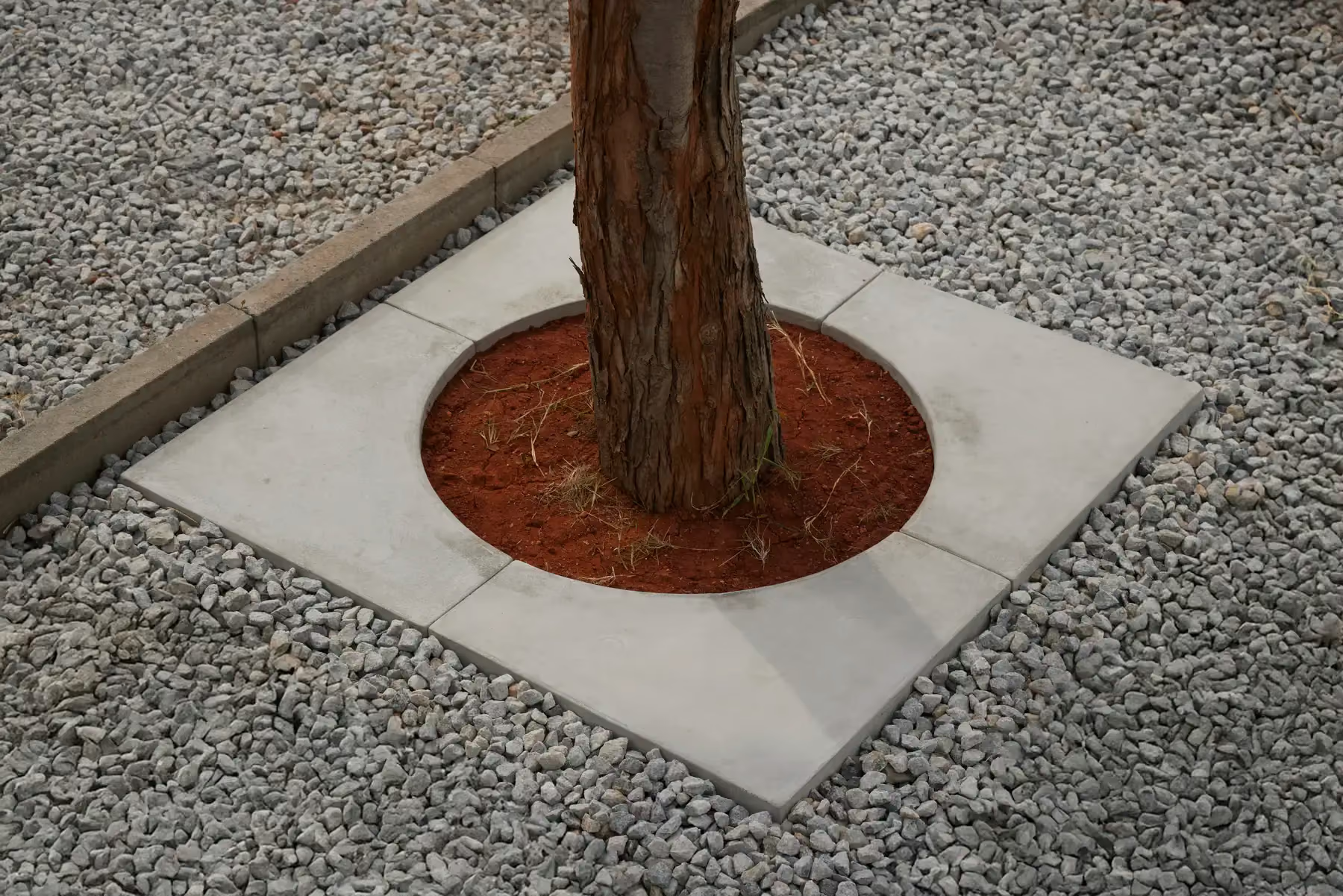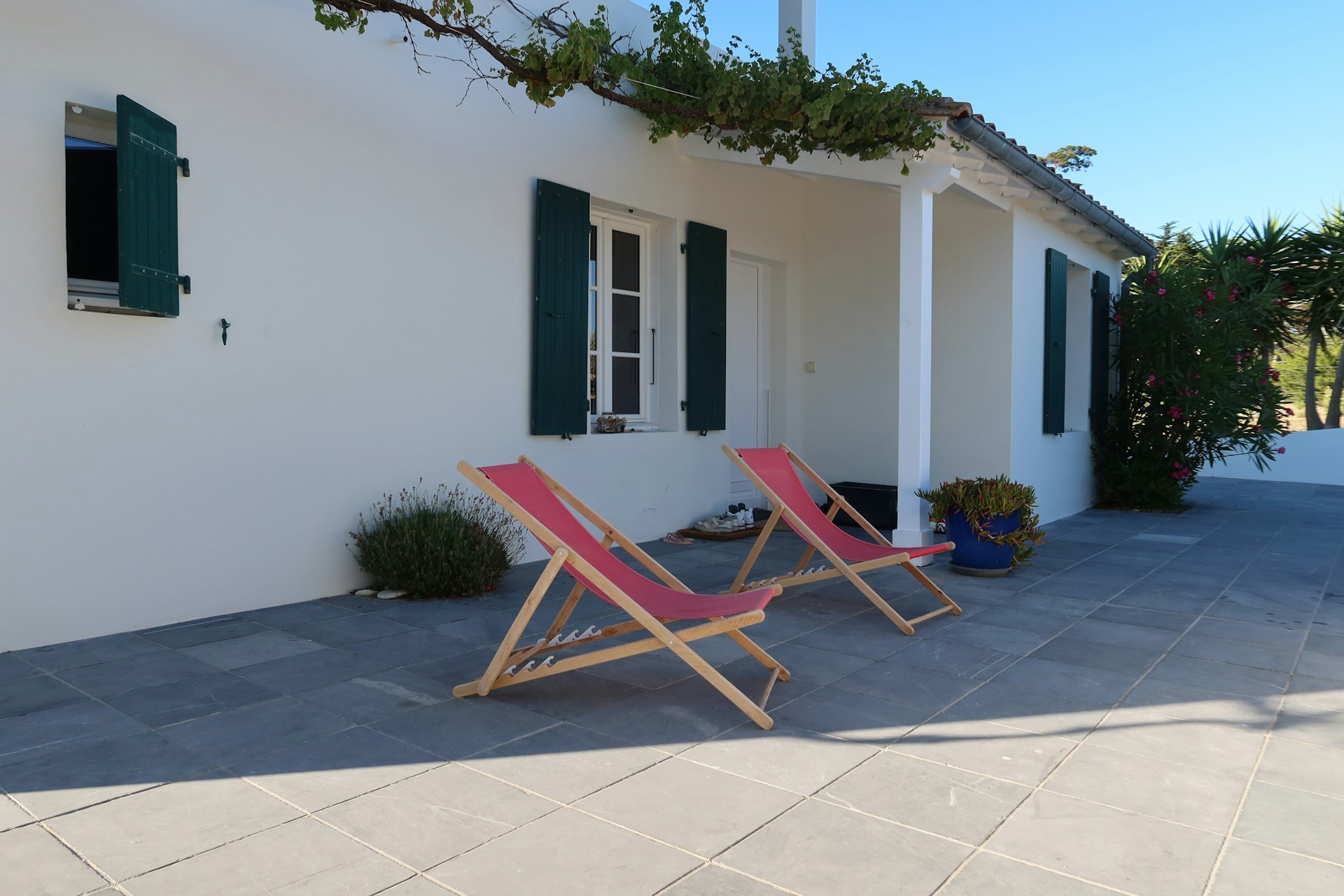

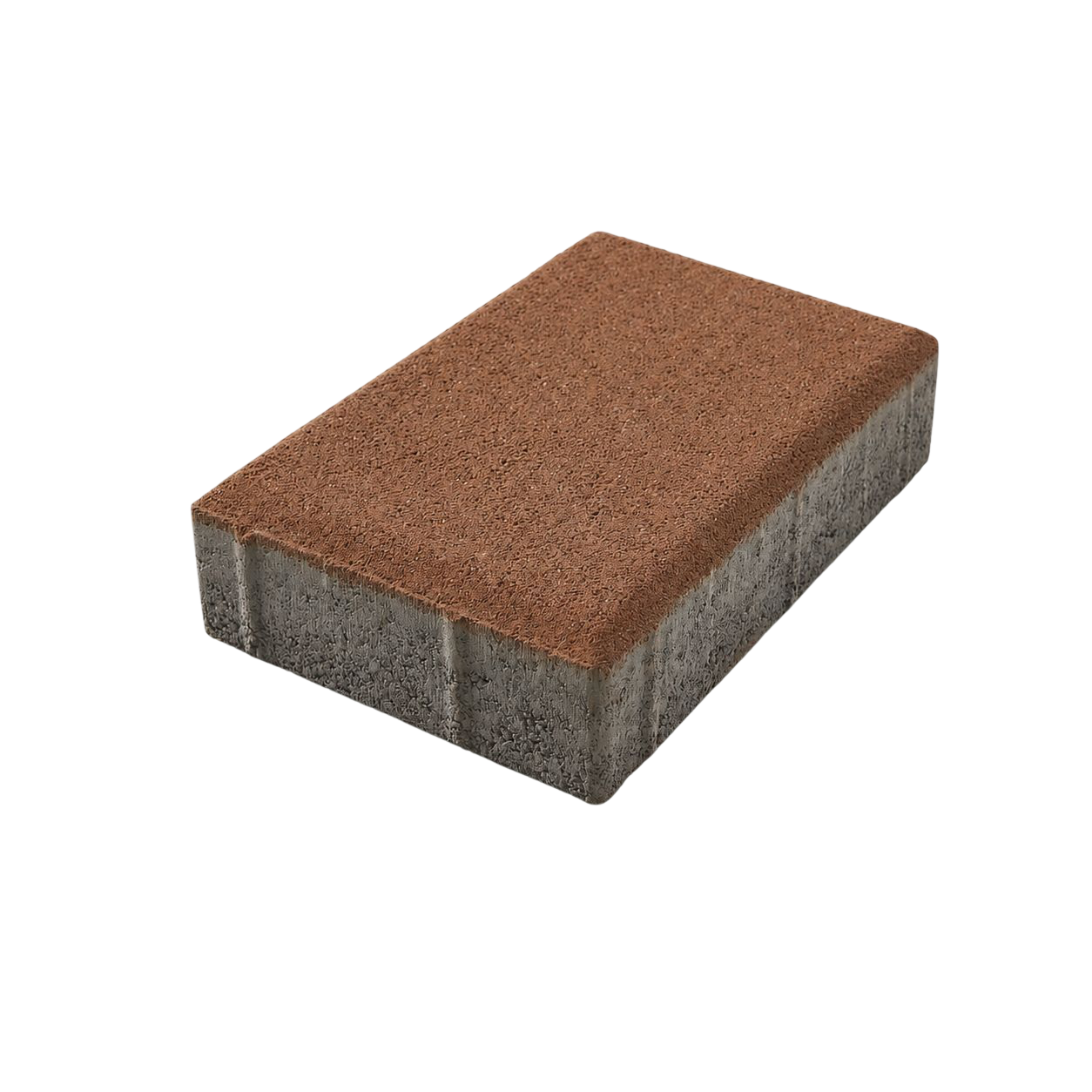
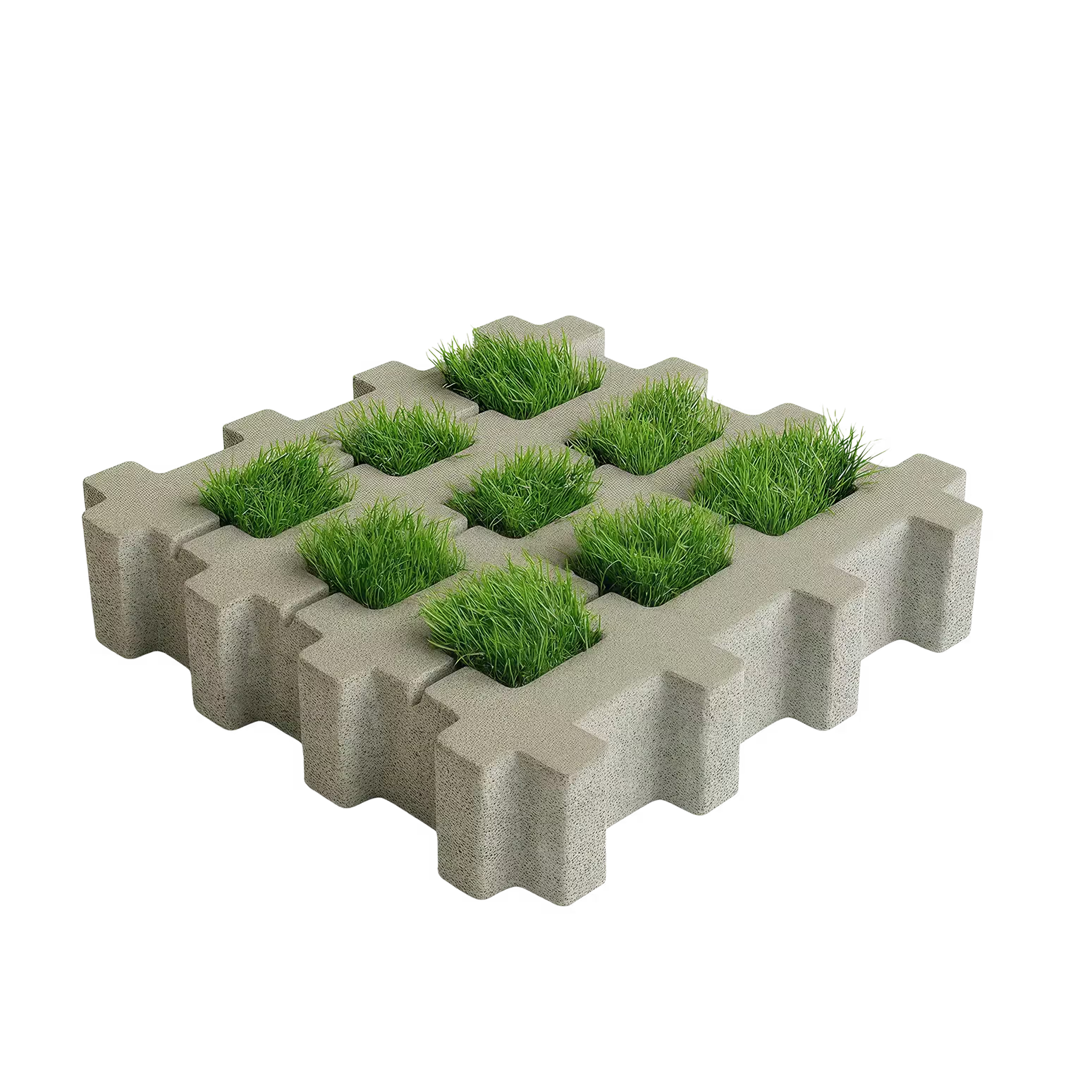
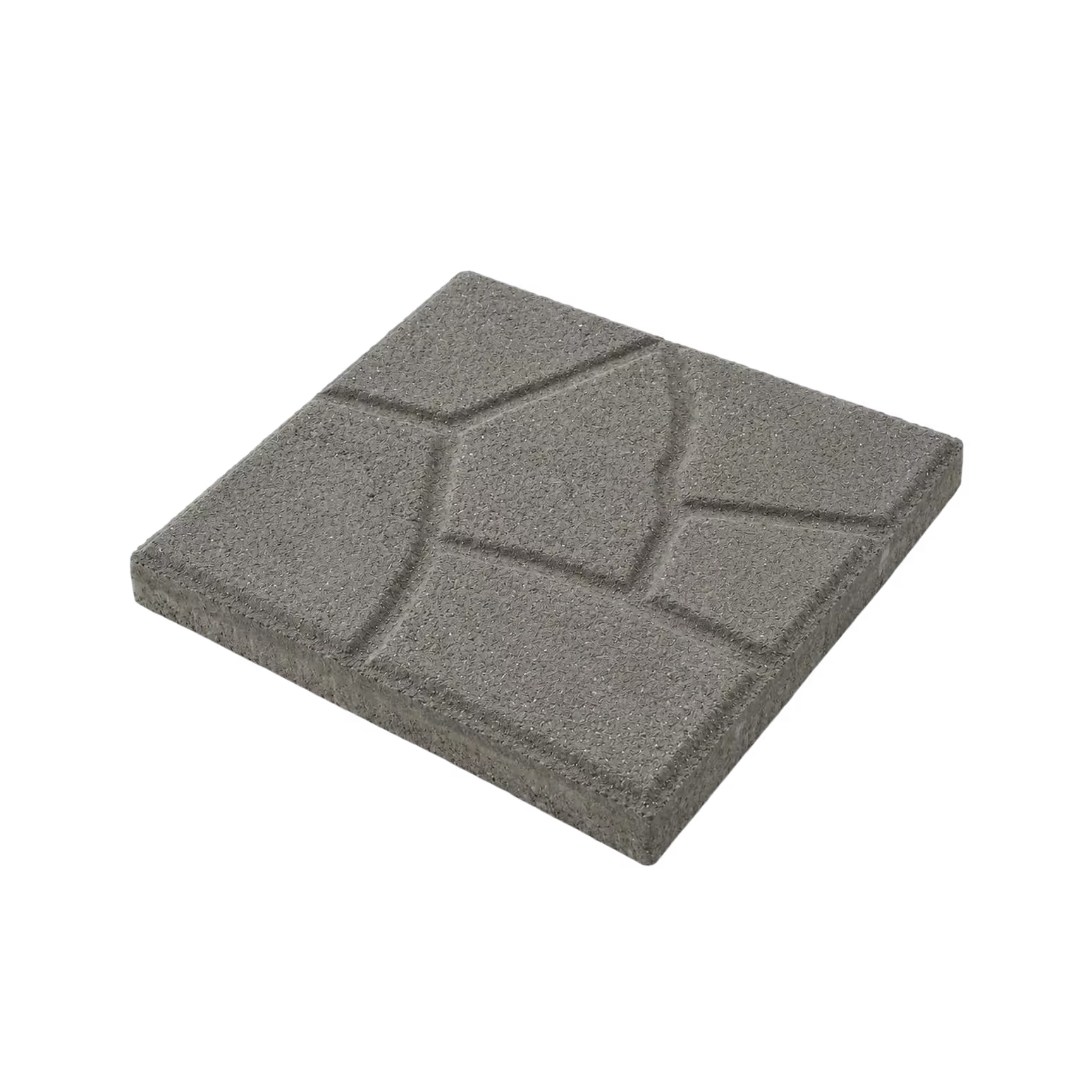
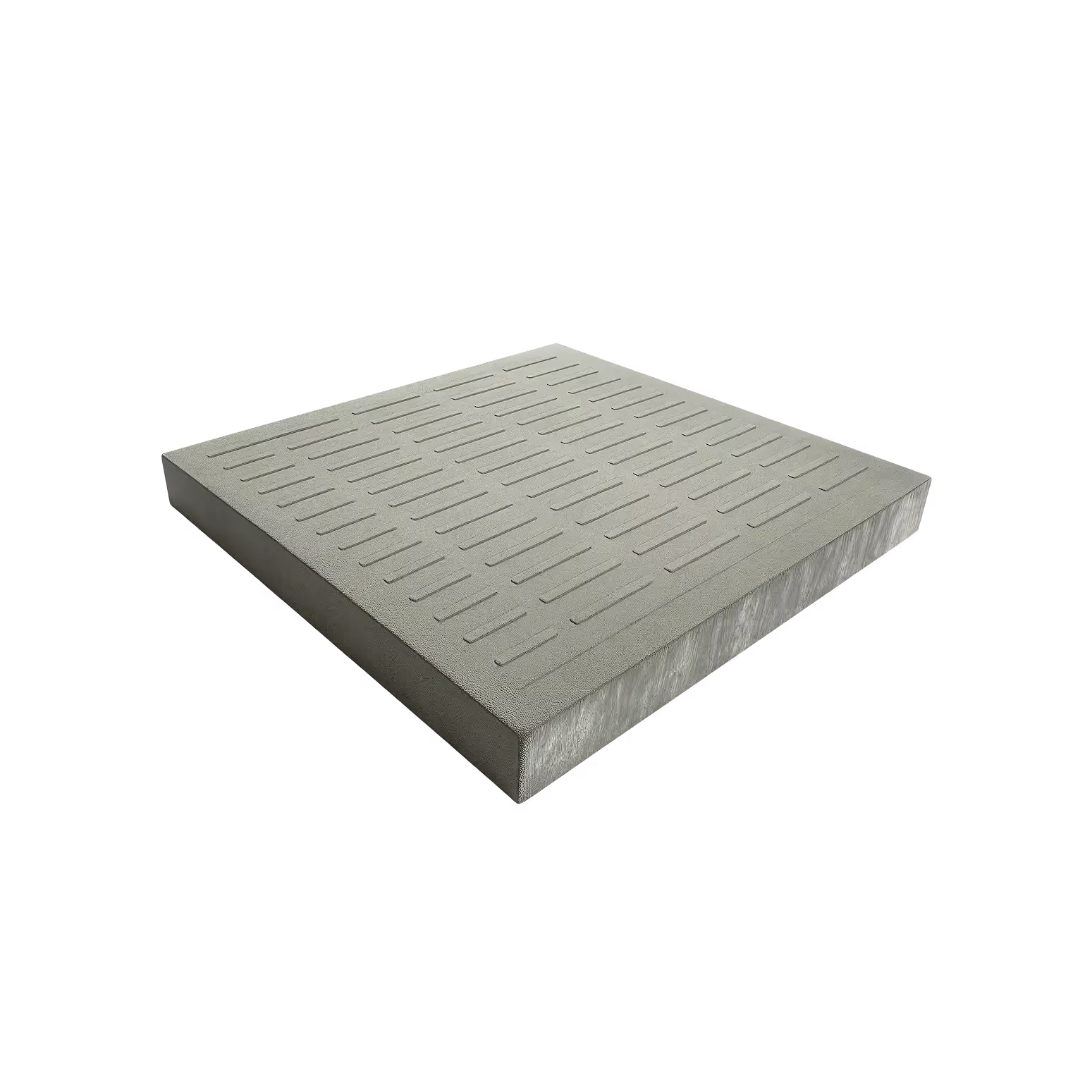
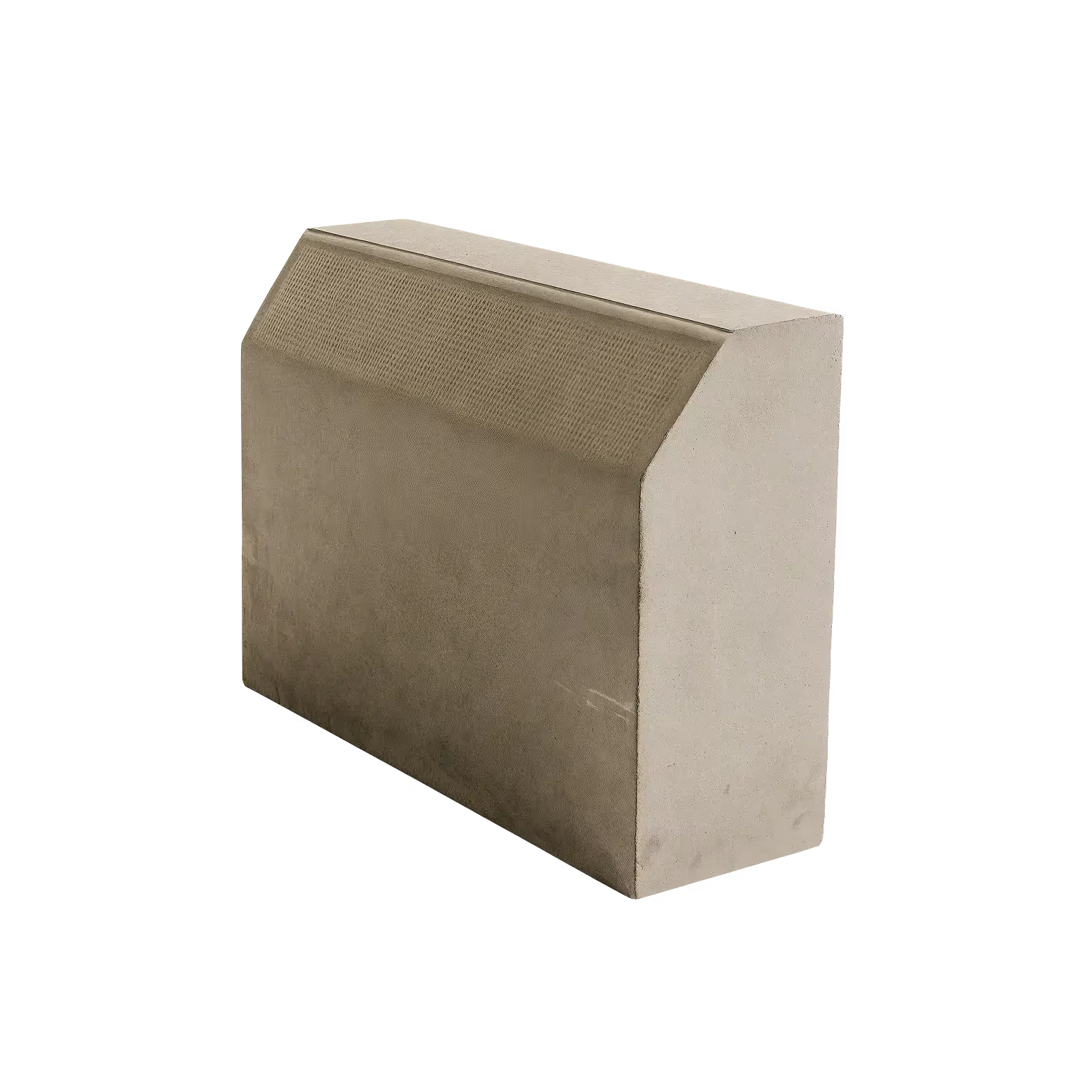
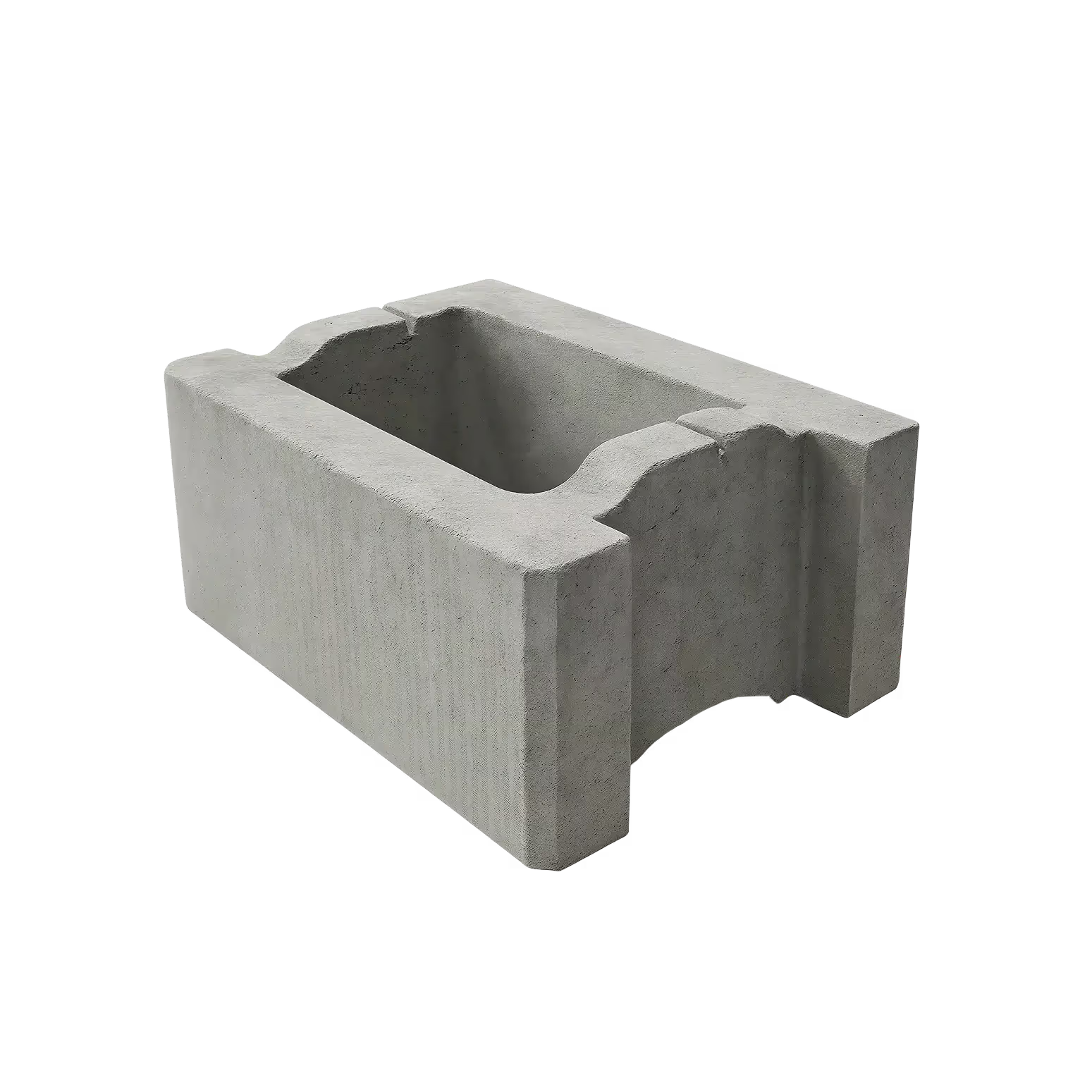

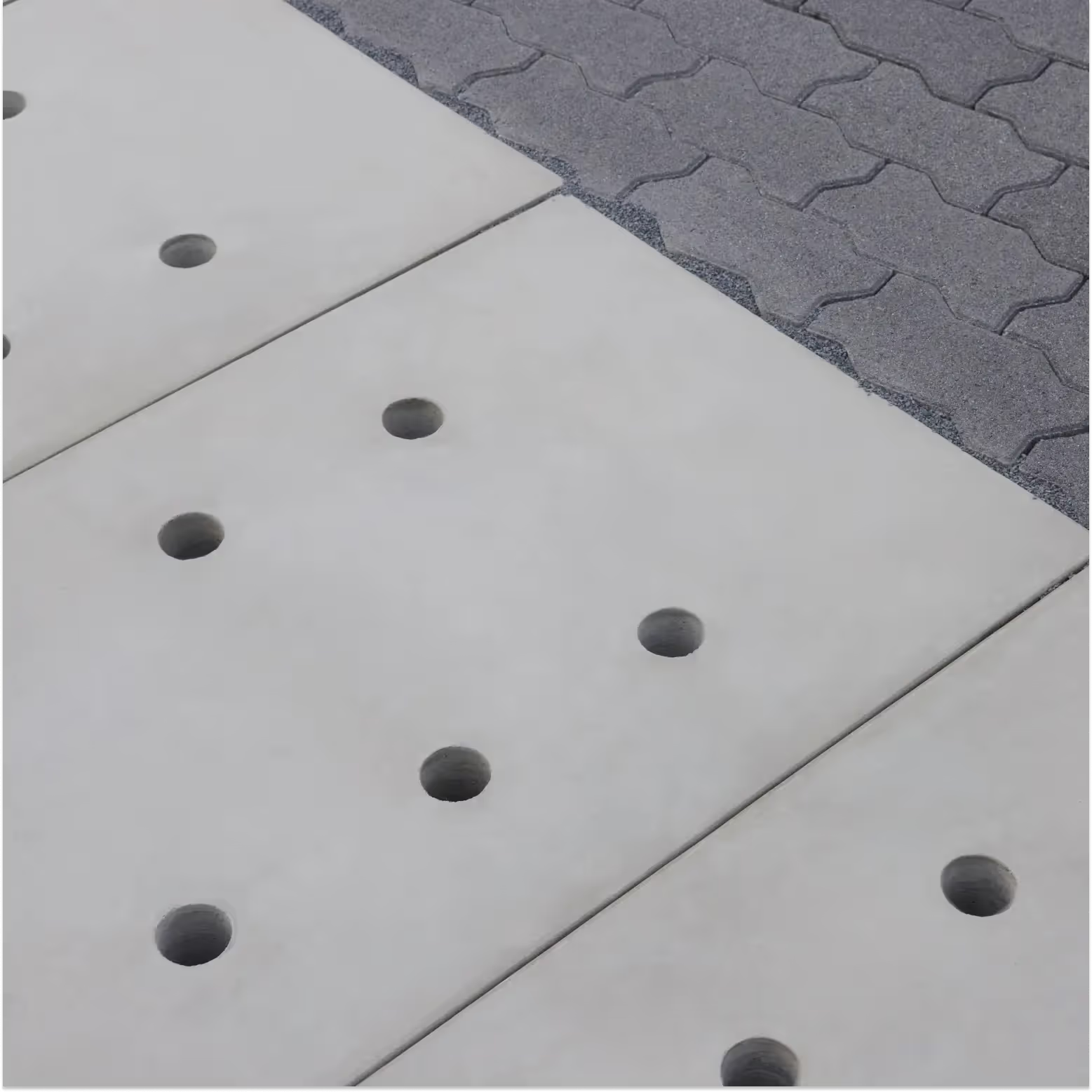
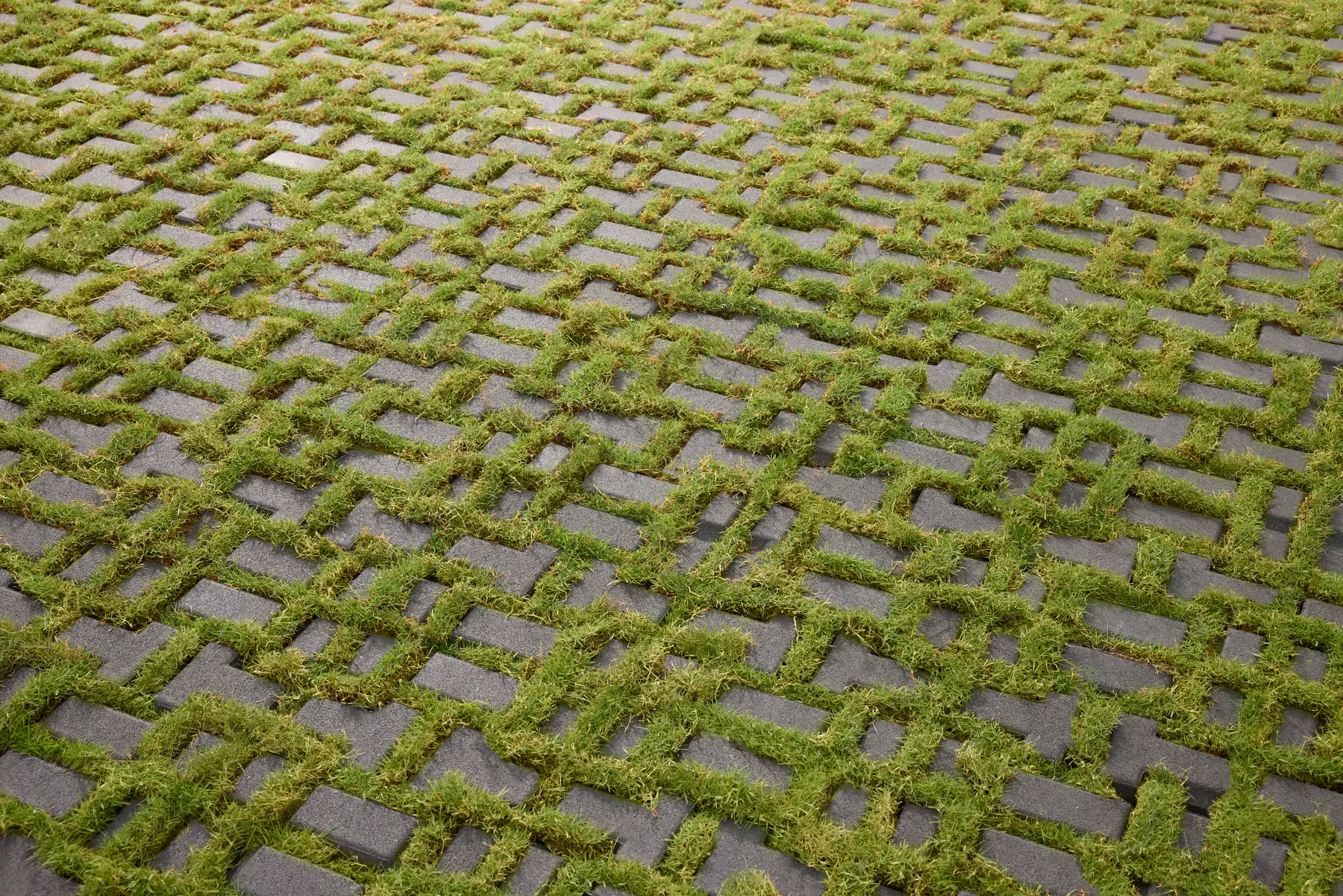
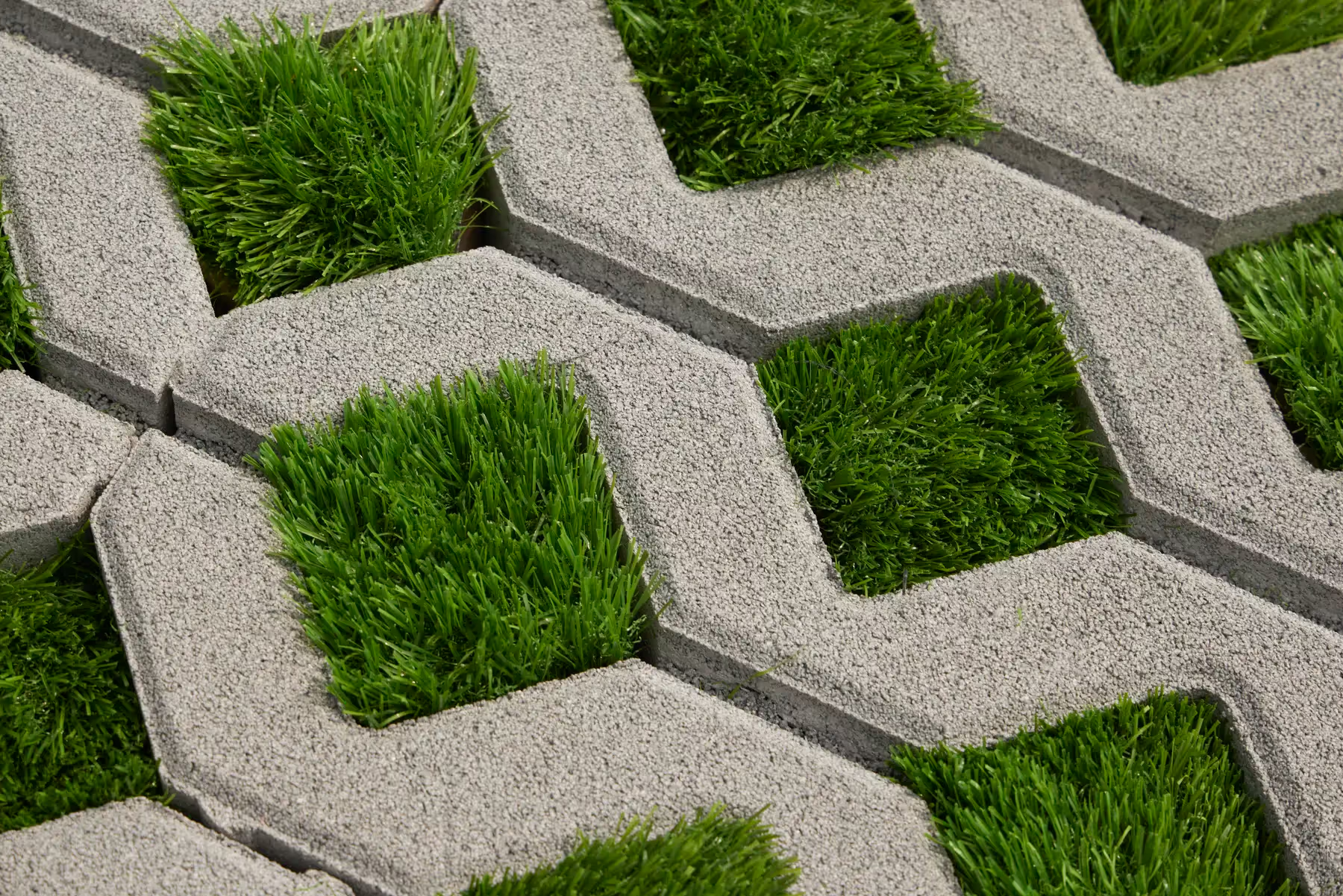
A grass paver goes by many names - lawn stone, turf paver, permeable paver, grassline pavers, and of course, grass pavers. Simply put, it is a paver with voids in which grass can easily grow. Grass pavers create landscapes where greenery and function co-exist.
Grass Pavers vs. Paver Blocks
| Finish | What it is | Best for |
|---|---|---|
| Shot-blasted | Blasted with micro steel balls after curing for a matte, grippy texture | All applications, especially poolsides, public plazas, and internal roads. |
| Fine | A smooth, even top | Residential areas, decorative paving |
| Washed | A carefully jet washed top, done to reveal colourful aggregate chips | Gardens, poolsides, gazebos, marquee spaces |
| Tumbled | Pavers are carefully tumbled to achieve organic-looking, uneven edges | Heritage-inspired spaces, walkways, vernacular architecture. |
Are grass pavers suitable for cars?
Yes! Our Artline Grass Paver can also bear the weight of a fire tender.
Fun fact: one of the most common uses for grass pavers globally is fire-truck access lanes — strong enough to carry a fully loaded fire engine, disguised as ordinary lawn. If it can hold that, it can hold your car.
The unseen benefit of grass pavers
Your landscape will thank you for choosing grass or permeable paving as it supports ground water recharge. Water goes back to the earth quicker and water pooling is avoided. Storm water is effectively managed right on the surface, especially in places like India with heavy monsoons, instead of overdependence on drainage slabs.
Is grass mandatory in grass pavers?
Technically, no. However, we do recommend some infill to maintain level ground with your grass paver. Choose from:
- Turf
- Stone chips
- Sand
- Pebbles
Browse our full paver range alongside the grass paver options, including our newest Lunix Grass Paver — to create a surface designed to breathe.
Quick Questions
Do grass pavers need a lot of maintenance?
Living-grass versions need occasional mowing and reseeding in bare patches; aggregate-filled versions need almost none. Both need periodic gap-clearing and refreshing of the in-fill to keep it tidy.
Grass pavers vs conventional pavers — which should I choose?
Choose grass pavers where drainage, greenery or a softer look matters more than a fully hard surface. Choose conventional pavers where the space sees heavy daily traffic and a uniform, hard-wearing finish matters more.=
Whether it's a full lawn-driveway or just better drainage you're after, write to us at enquiry@basantbetons.com and we'll help you pick the right grid.