

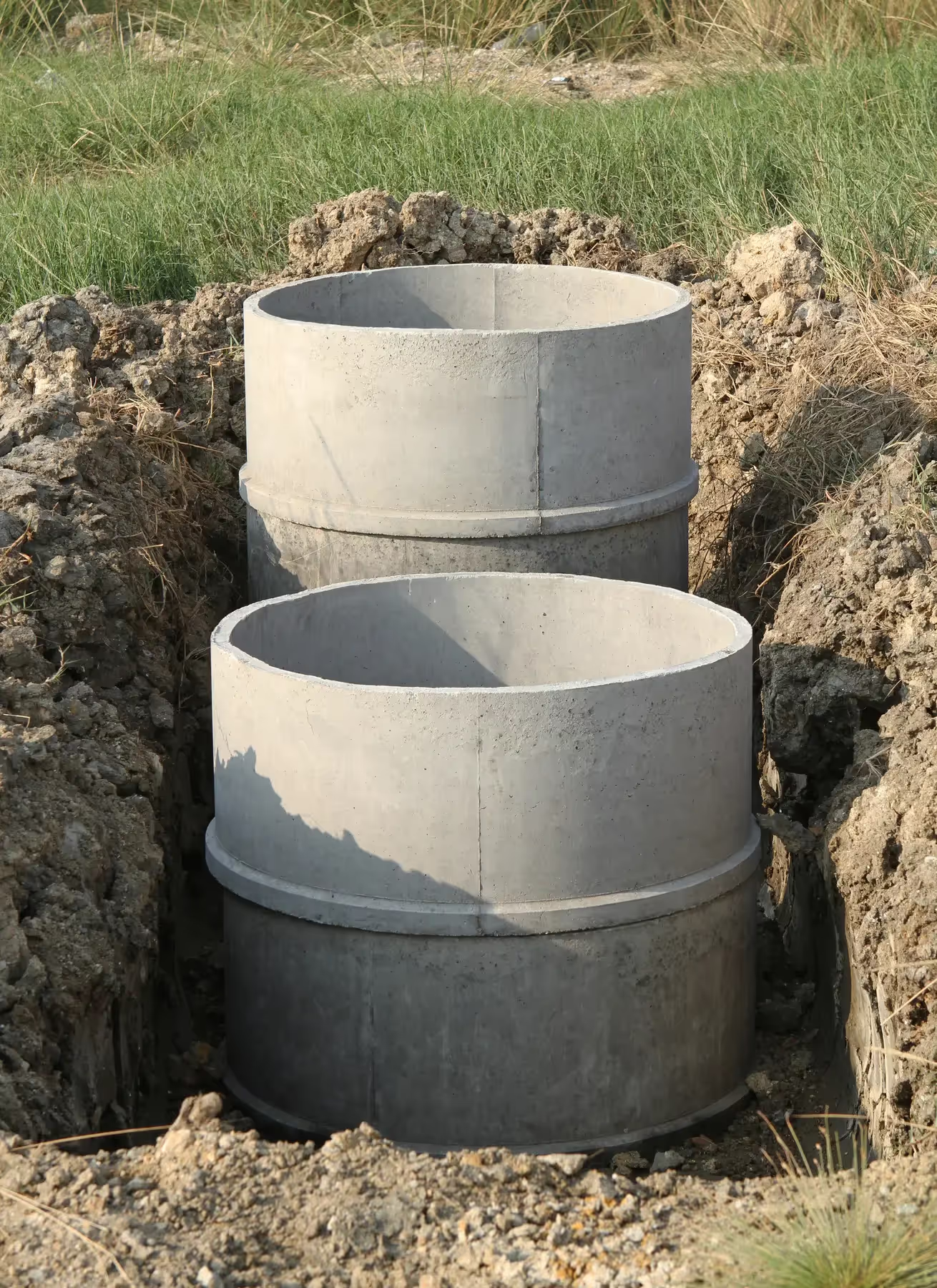

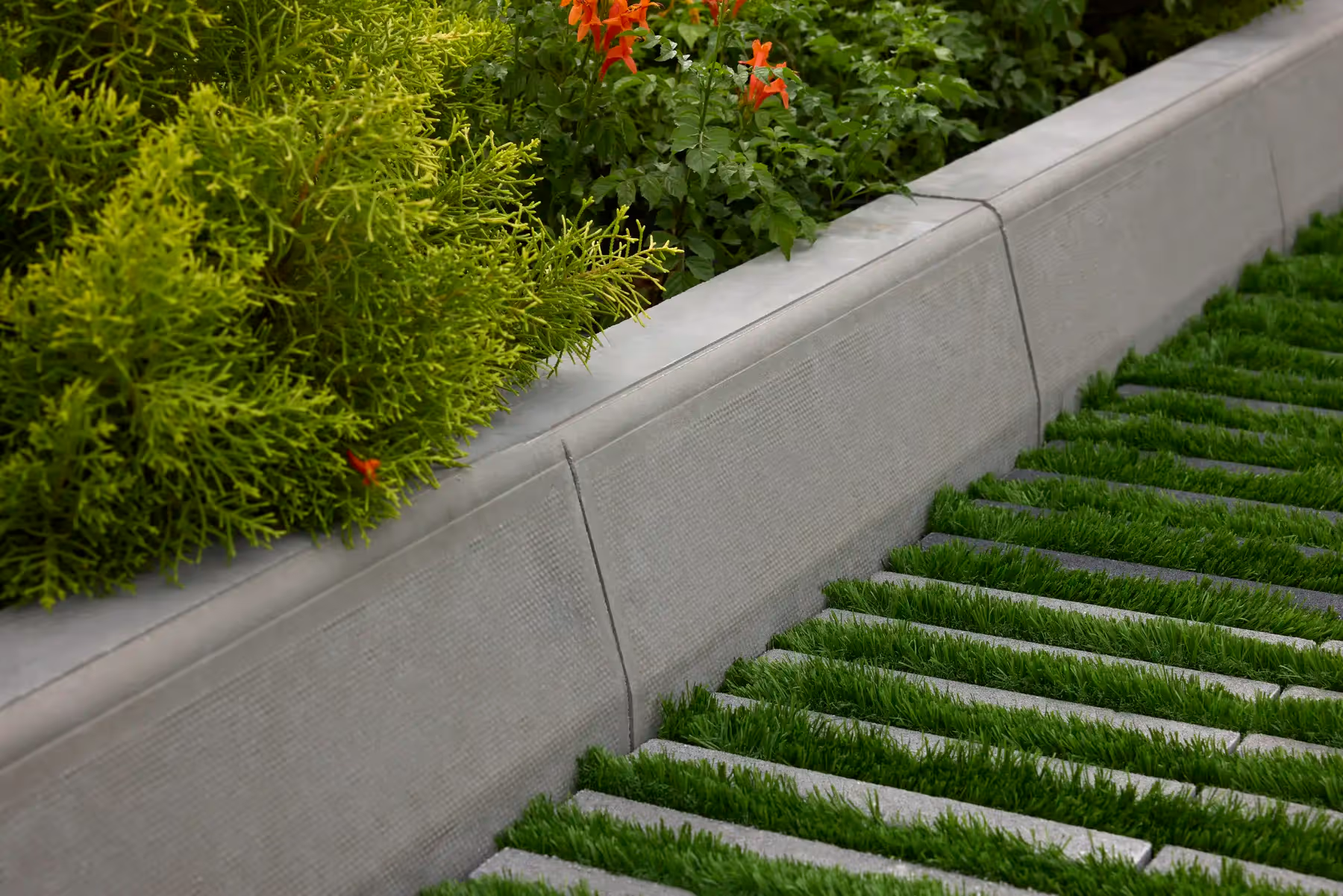
A kerb does two jobs at once. It defines the edge of a hardscape, and it creates a boundary for water when it rains. This guide breaks down kerb styles, water channels, and how to work out how much of each your project actually needs.
Kerbs vs. Channels: What's the Difference?
A kerb is a raised or profiled edge unit that defines and protects the boundary between a road, path, or paved surface and whatever sits beside it. A channel is a shallow, open drainage unit laid to carry surface runoff to an exit point. They're often used together and getting them confused is a common source of drainage problems on site.
The Six Kerb Styles At Basant Betons
Basant Betons manufactures four core kerb profiles, each solving a slightly different problem:
| Kerb style | Profile | Function |
|---|---|---|
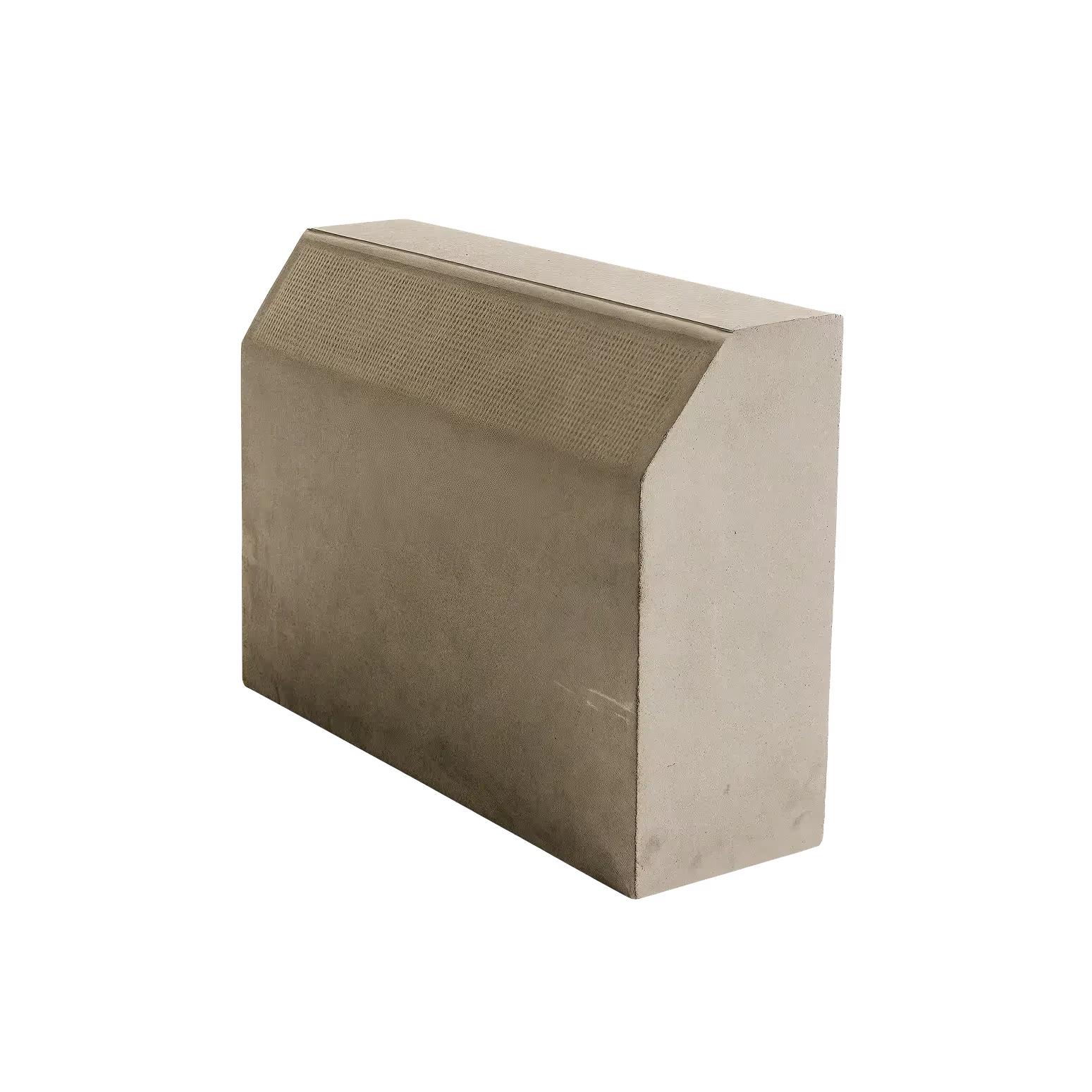
| Splay | 45 degree angled top | Deflects vehicle tyres and guides them back onto the road, with a firmer angle |
| Half Batter | Gentler sloped top | Same tyre-deflecting function as Splay, with a softer visual line |
| Bull Nose | Slight curved top | Prevents edge chipping where pedestrians or light vehicles mount and dismount kerbs, common at bus stops |
| Flush | Level top, no raised edge | Creates a barrier-free transition between a walkway and a driveway, or between two paved zones at different elevations |
| Dropper | Taller on one end and slopes down to be shorter on the other end | Specialised unit for entryways |
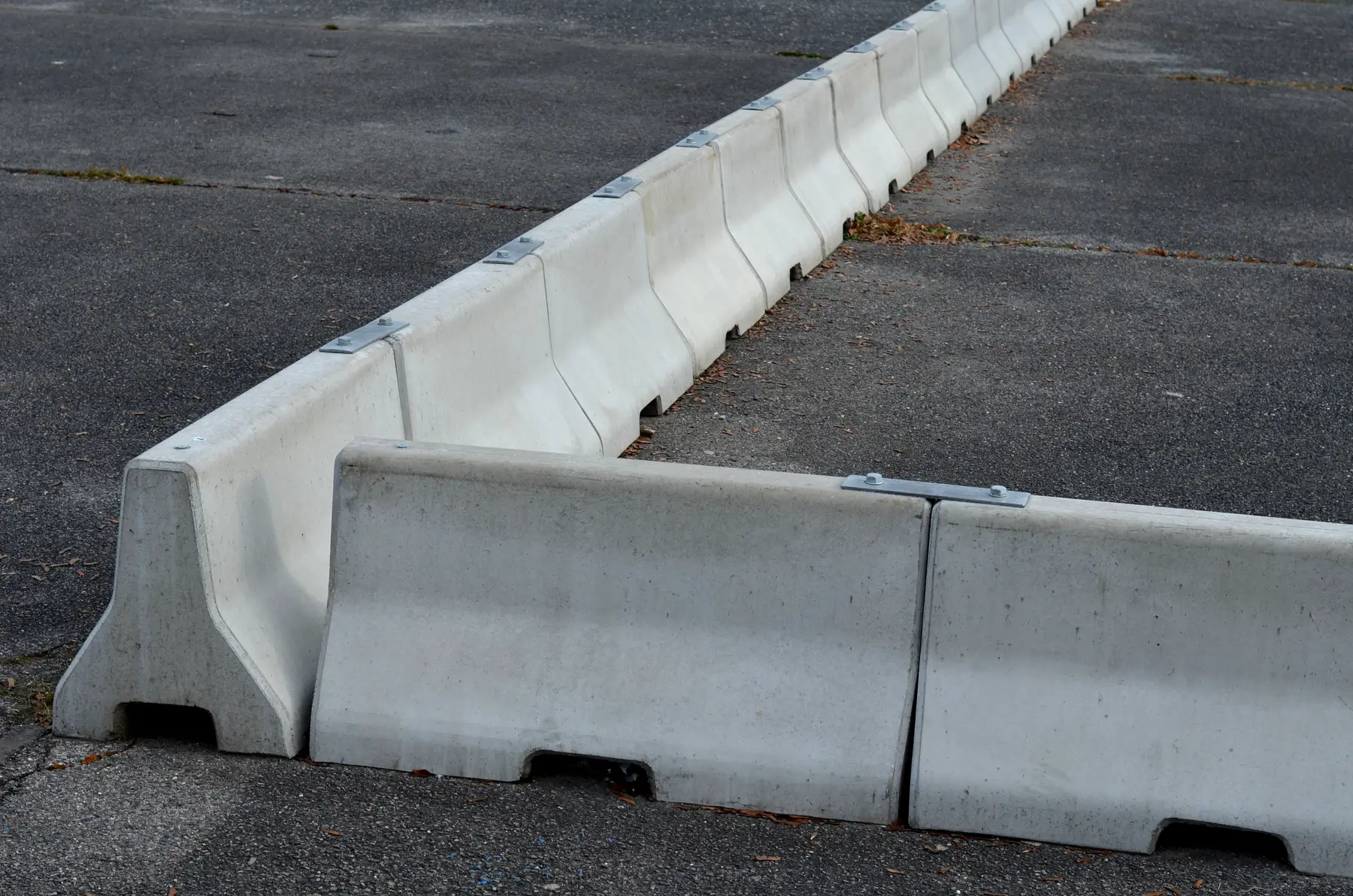
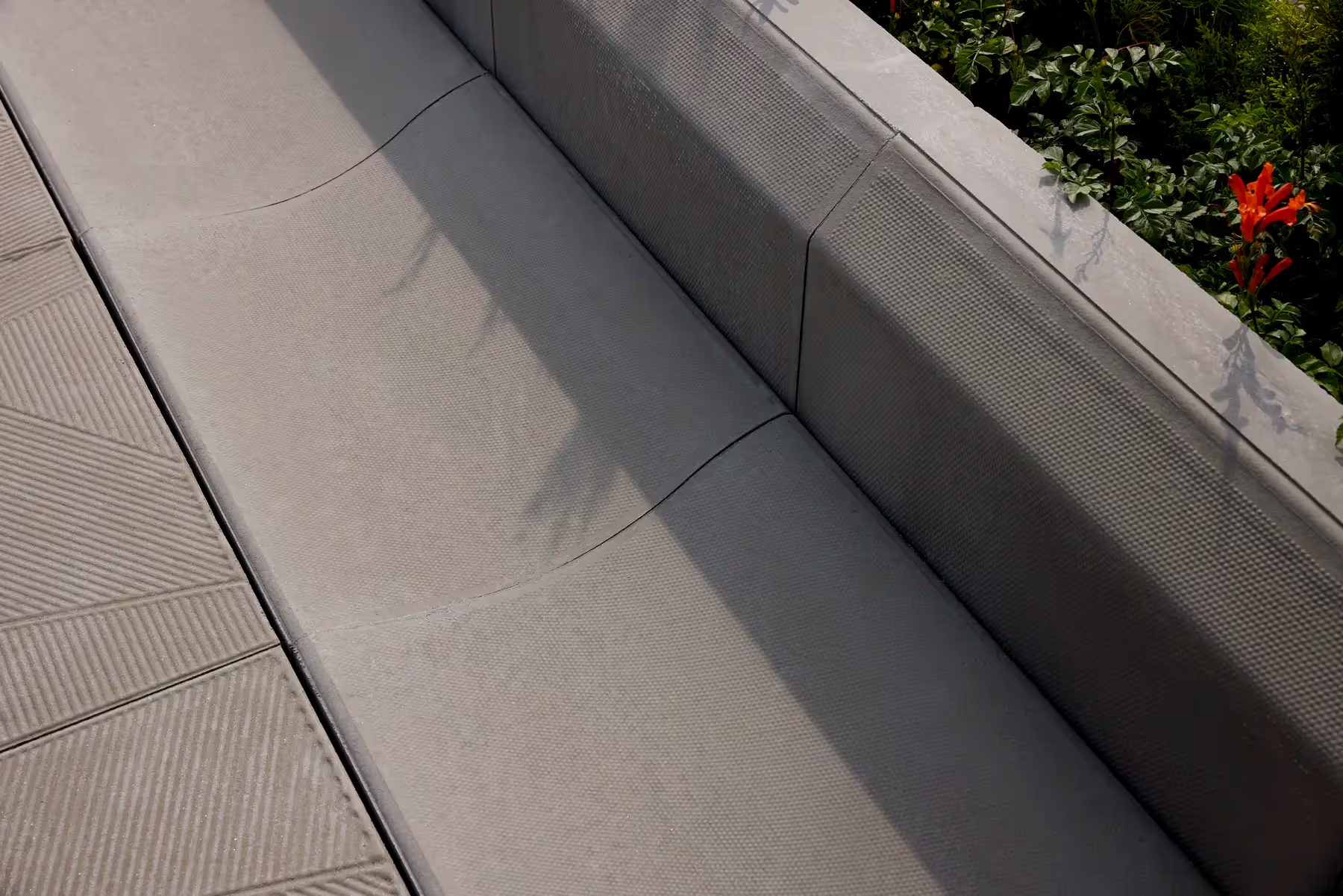
| Crescent | Curved profile | Gently deflects vehicle tyres and guides them back onto the road, softer aesthetic |
Each style can be laid upright, to edge a pathway conventionally, or on its back, to create a gentle slope leading into a path. A specialised dropper variant of the Splay and Half Batter profiles is also available for driveway entrances, where the kerb needs to step down smoothly for vehicle crossings.
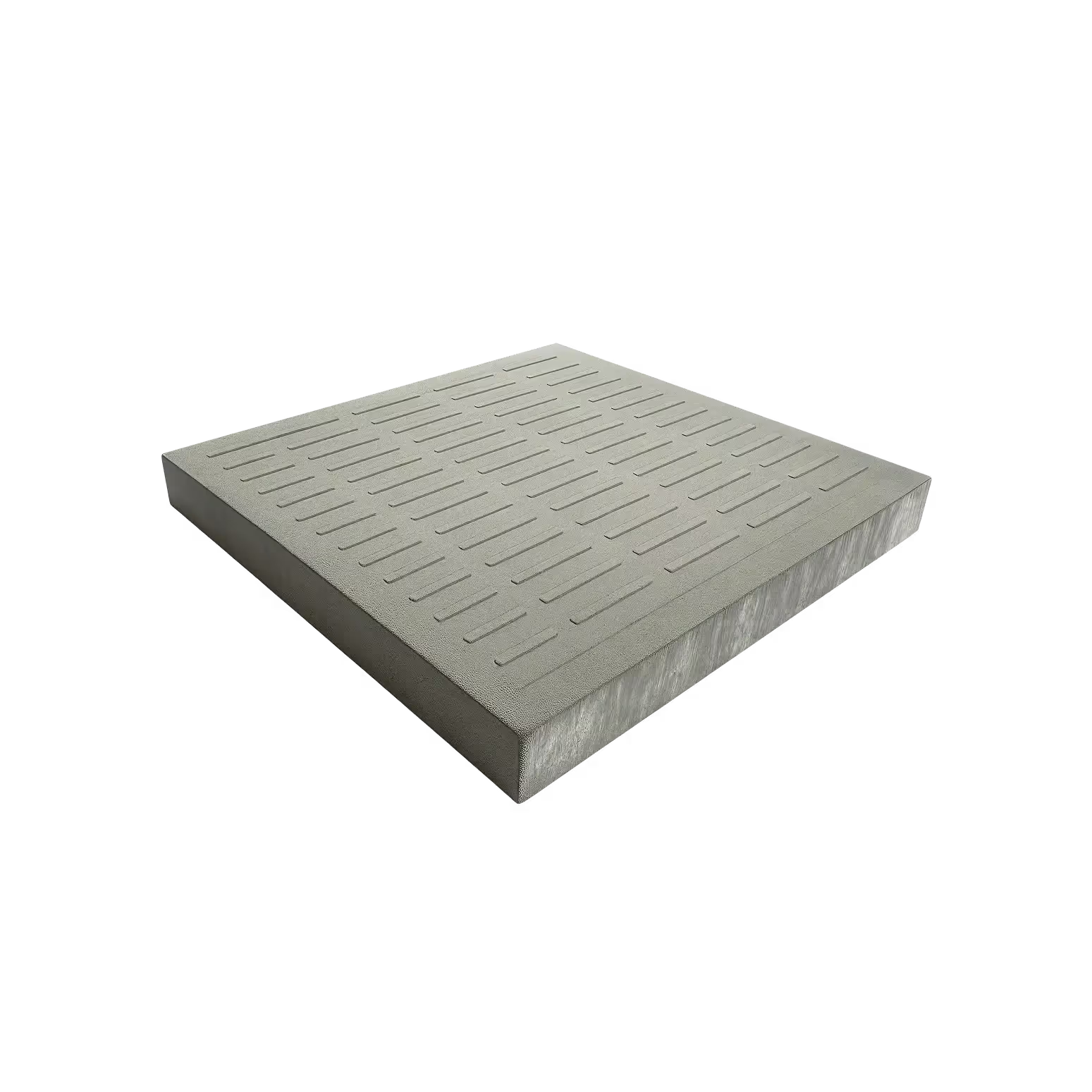
Flush Kerbs in Detail
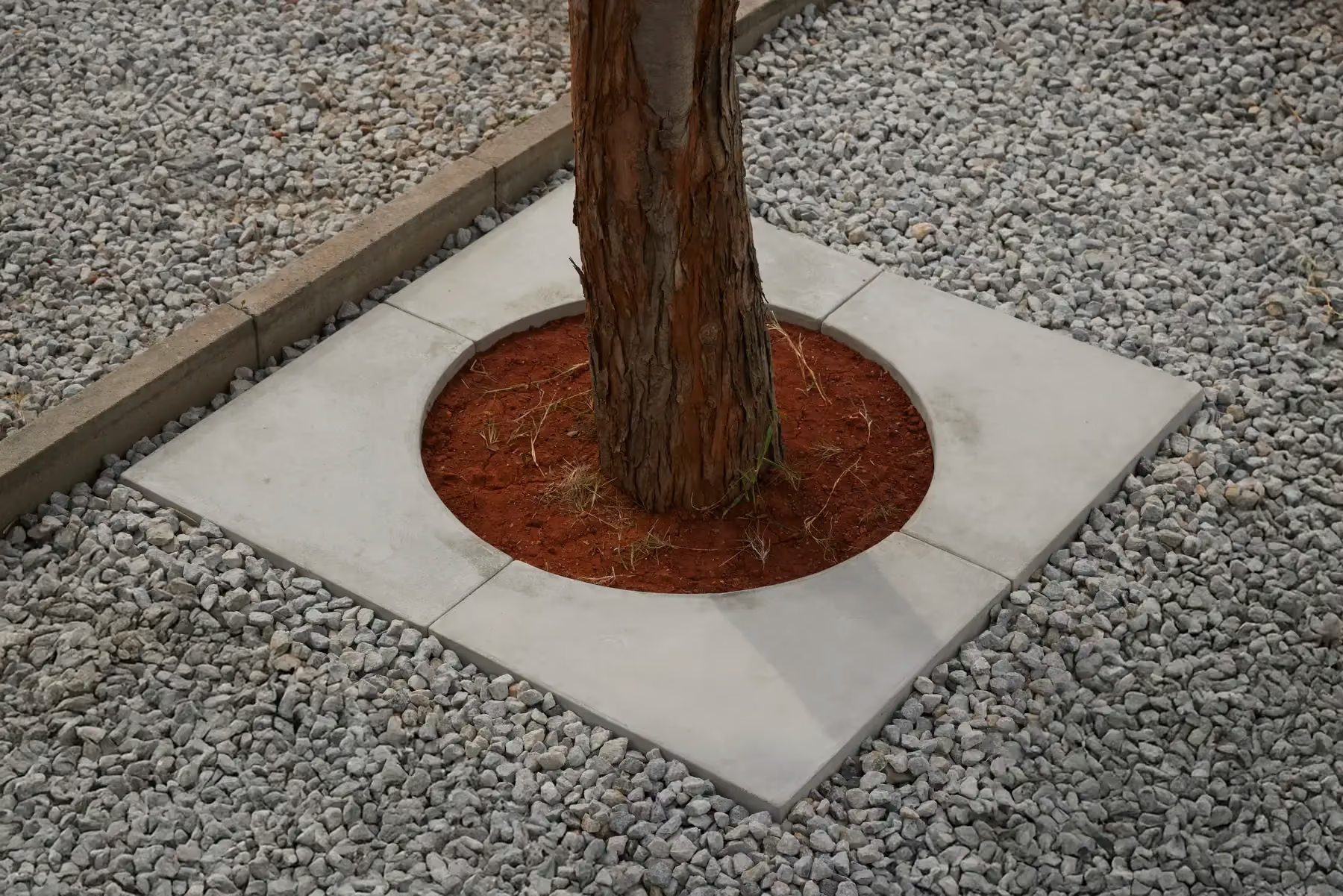
Flush kerbs solve a specific problem that raised kerbs can't: a break between two paved zones that doesn't restrict movement. Instead of stepping up or down, a flush kerb can be laid to sit ‘flush’ or at level with the surrounding hardscape, so wheelchairs, trolleys, and vehicles can cross without interruption.
They're commonly laid flush with the surrounding surface, the most popular installation style, but can also be left slightly exposed where a subtle edge definition is still wanted. On an elevated landscape or hardscape, a flush kerb can double as a step into the elevation while still reading as flush with the raised area itself. This makes it a common choice at entrances, accessible pathways, and transitions between driveways and walkways where a raised kerb would be a genuine obstacle.
Channel Kerbs and Drainage Channels Explained
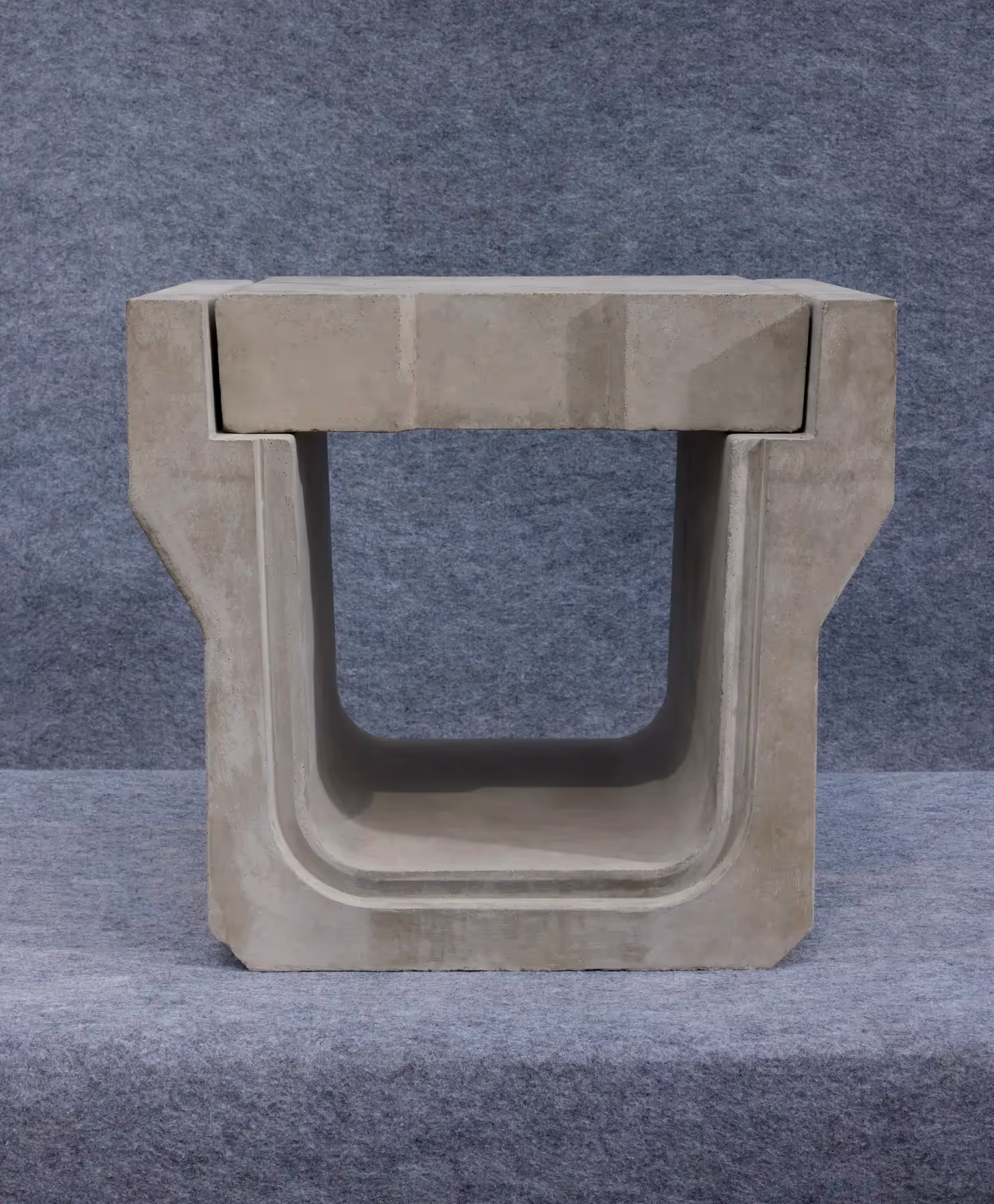
Where kerbs manage the edge, channels manage the water. Basant Betons manufactures two water channel profiles for surface drainage and one channel kerb:
| Channel type | Profile | Thickness options | Traffic rating |
|---|---|---|---|
| English Channel | Shallow, uniform curved bowl | 100mm, 125mm, 150mm | Light, medium and heavy respectively |
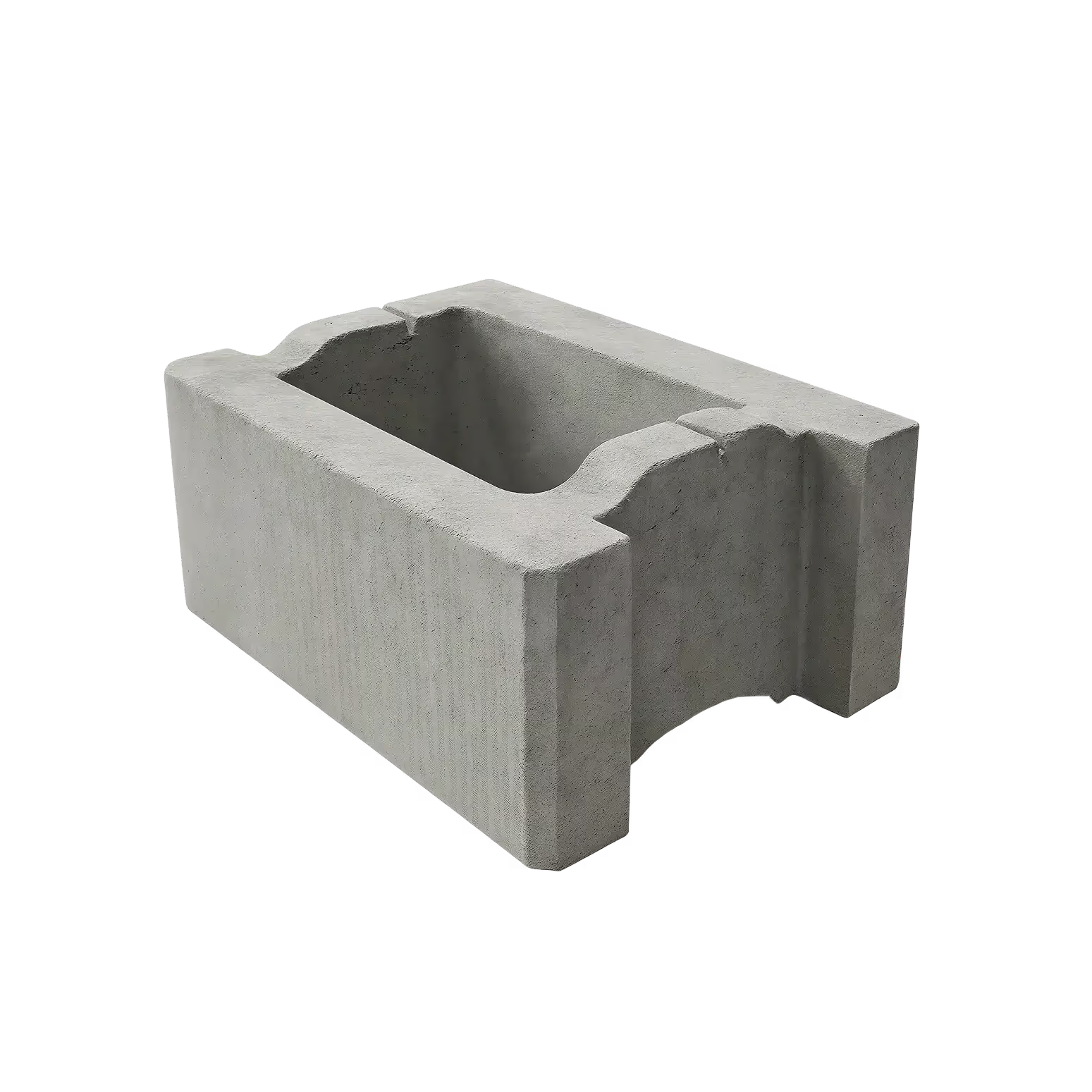
| Down Stream Water Channel | Deeper basin with a wider flat edge leading in | 150mm | Up to heavy |
| L-shaped Kerb With Drain | A monolithic 'L' shaped unit | 120mm | Medium |
All are load-rated, so vehicles can drive over them without damage. The English Channel's shallow, uniform curve suits general roadside and pathway runoff. The Down Stream Water Channel's deeper basin is built for a greater volume of water, useful where a site collects runoff from a larger catchment area before it reaches an exit drain. The L-shaped Kerb with Drain, commonly called a ‘channel kerb’ is a single unit which combines kerbing and channeling. It offers a seamless look to your landscape and requires only product installation instead of two.
Fine Finish vs Wet Pressed - Know The Difference
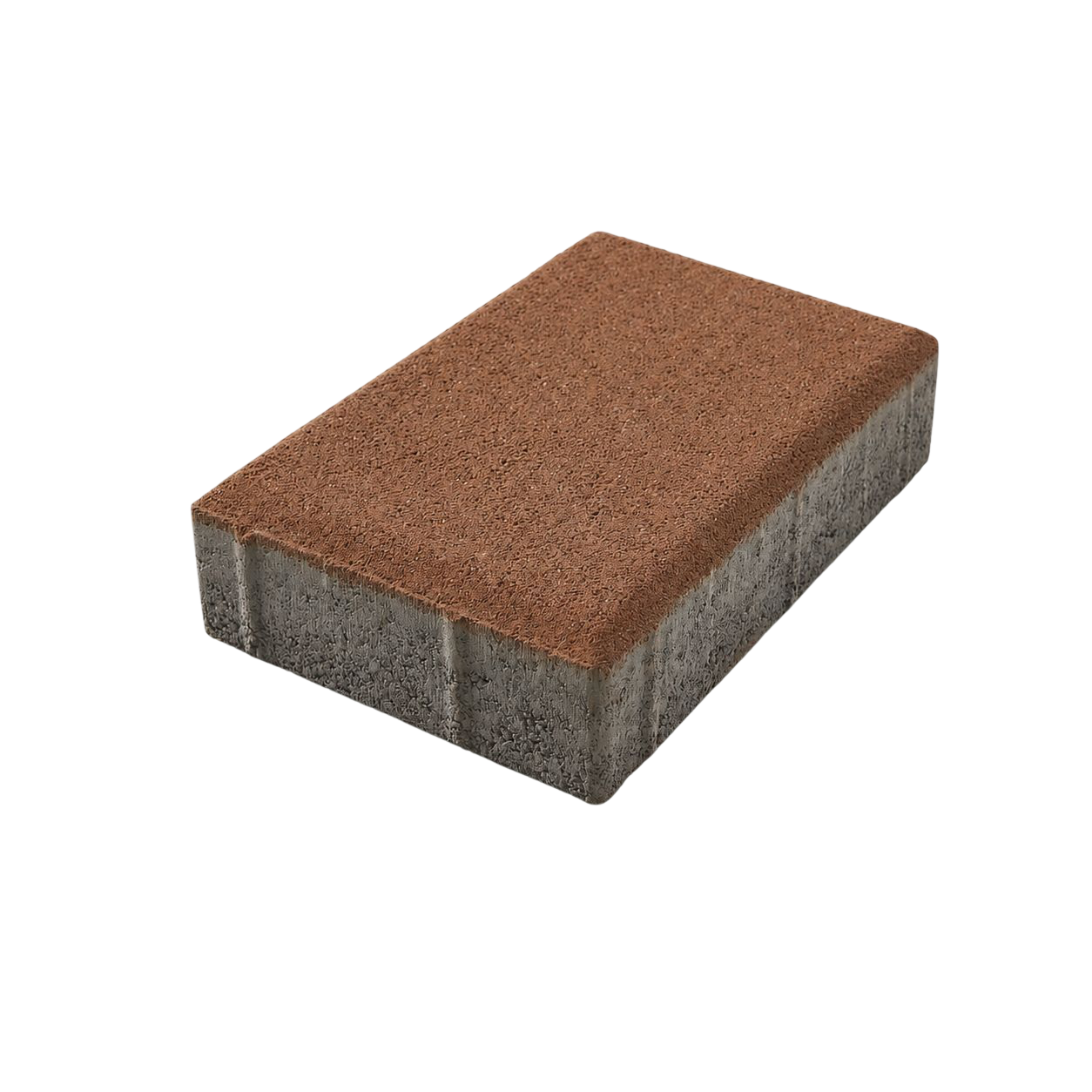
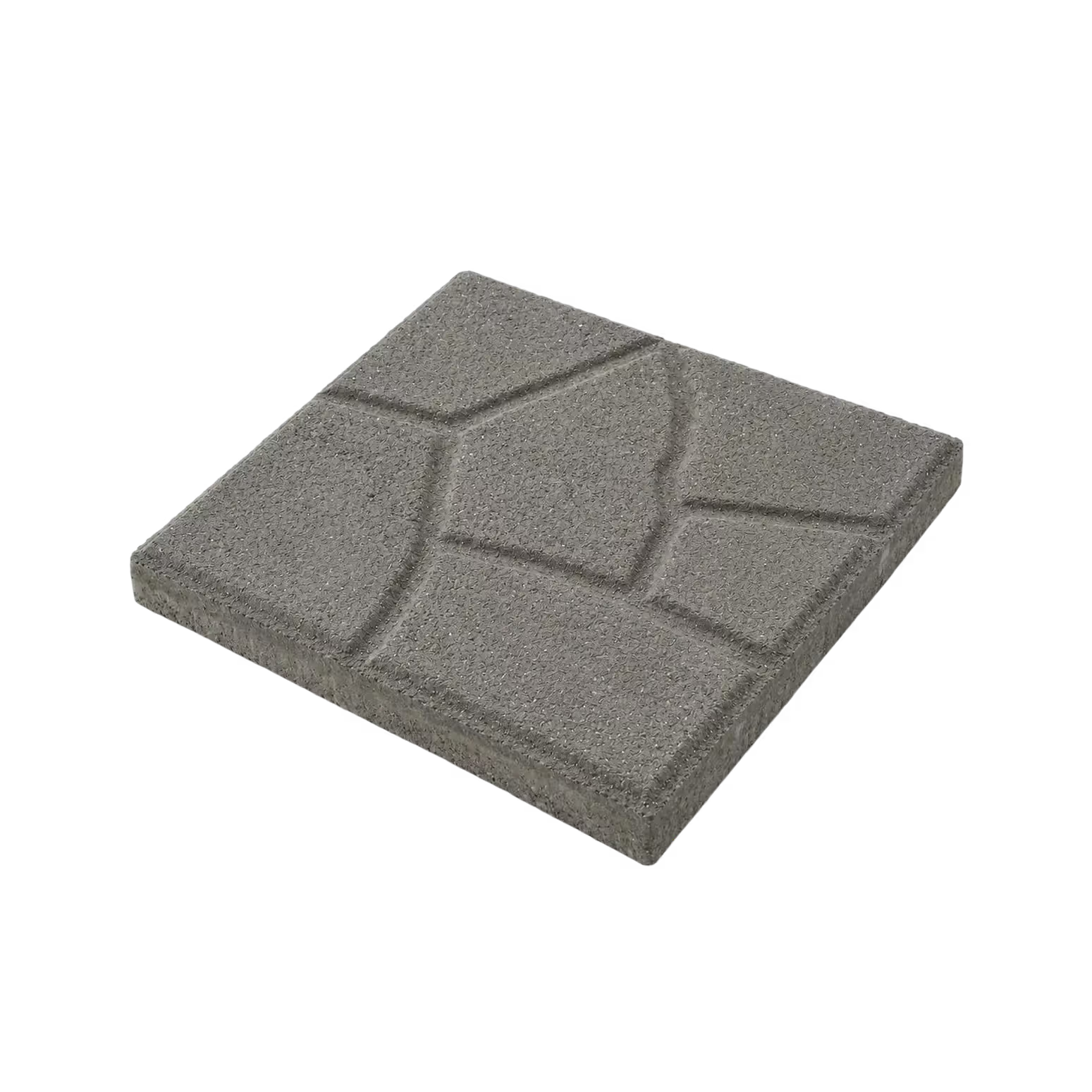
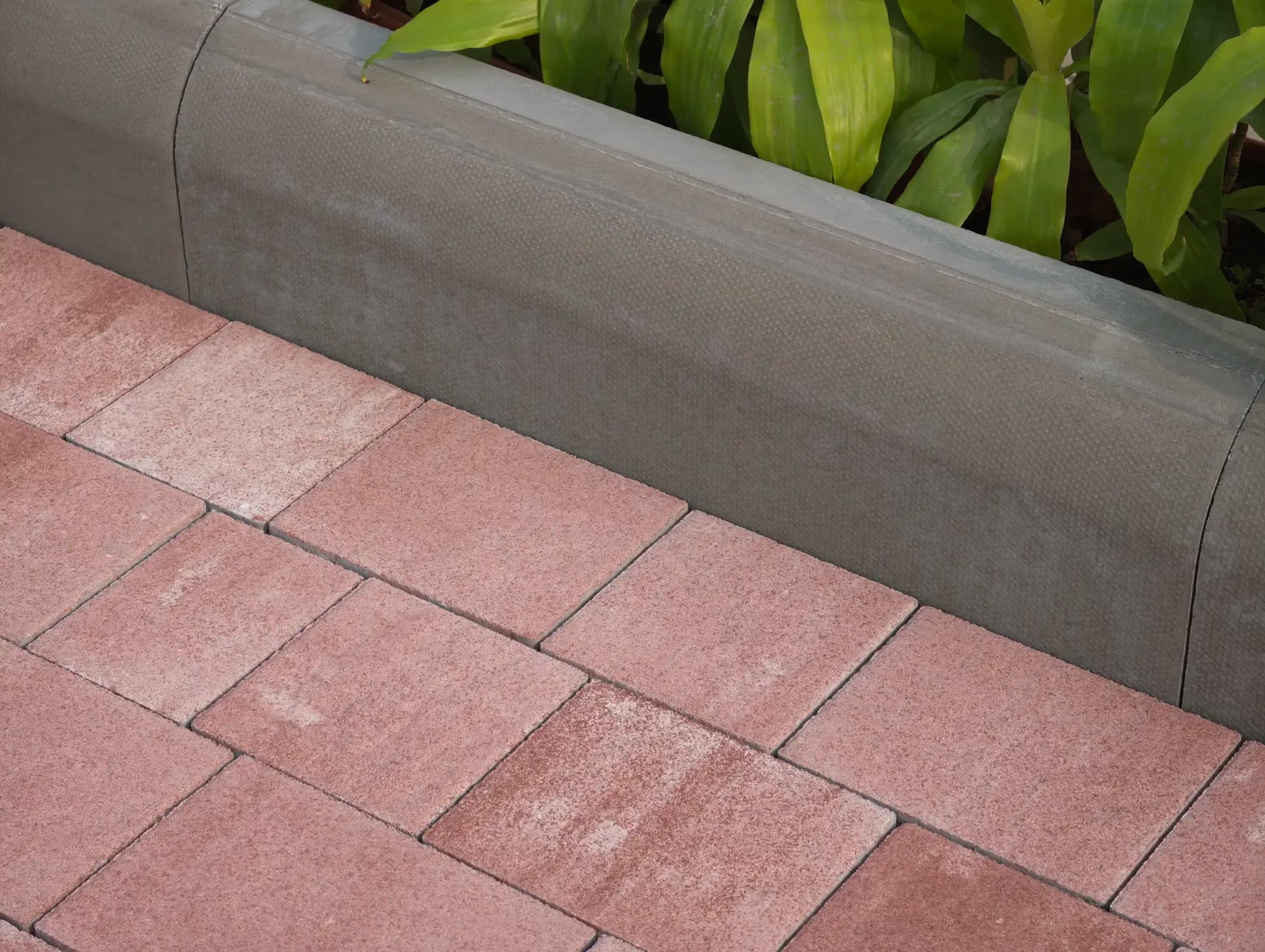
Our kerb profiles are available in a fine finish and a wet-pressed pimple texture. The function stays identical, tyre deflection, edge protection, or barrier-free transition, but the surfaces have a different texture. Fine finish is generally smoother and cleaner, which matters in visible landscaped areas where a rougher texture would look out of place against fine-finish pavers. The wet-pressed kerbs come with a standard pimple texture, which are micro-raised dots that offer traction and visual interest.
The smaller solution - Garden Edging
A smaller-format version, garden edging, follows the same fine finish logic at a reduced scale. It works like a kerb in function, locking pavers in place and defining a boundary, but its size makes it easy to step over and less visually intrusive in areas where a full-height kerb would feel heavy-handed. It's a common choice for defining planting beds, small pathway edges, and garden pits without creating a hard visual break in the landscape.
How Much Kerb or Channel Do You Need?
Kerb and channel quantities are calculated by linear length, not area. Measure the total running length of the edge or drainage line your project needs to cover, in metres. Add a wastage allowance, typically five to ten percent, to account for corners, cuts, and dropper transitions at driveway entrances. Divide that total by the length of a single unit to arrive at a piece count. For projects with multiple traffic zones (say, a driveway entrance transitioning into a heavier-traffic internal road), calculate each zone separately, since the thickness and traffic rating you need can change along the same run.
Where Each Type Is Used
- Splay and Half Batter kerbs. Roads and driveways where vehicle tyre deflection matters.
- Bull Nose kerbs. Bus stops and pedestrian zones where edge chipping from mounting and dismounting is a concern.
- Flush kerbs. Accessible entrances, driveway-to-walkway transitions, and any zone needing barrier-free movement.
- English Channel. General roadside and pathway surface runoff.
- Down Stream Water Channel. Higher-volume drainage, larger catchment areas.
- Kerb with drain. Any run where both edge definition and drainage are needed together.
Common Mistakes in Kerb and Channel Selection
- Using a raised kerb where a flush kerb was needed. Accessible entrances and driveway-to-walkway transitions need barrier-free movement. A raised profile in the wrong spot becomes an obstacle, not a design feature.
- Undersizing the channel for the catchment area. A shallow English Channel installed where a site collects runoff from a much larger area leads to overflow in heavy rain. This is exactly the kind of situation where a Down Stream Water Channel's deeper basin earns its place.
- Treating kerb and channel as one calculation. Since they're separate products with separate unit lengths, calculating quantities together often leads to under-ordering one or the other.
- Ignoring traffic rating on channels. Not every water channel thickness is rated for vehicular crossing. Confirm the traffic rating matches the application before specifying a thinner, lighter-duty option under a driveway.
Basant Betons kerbs and channels have been specified across premium large-scale developments as well as luxury residences and resorts. For project-specific quantities and pricing, request a quote and our team will work through the calculation with you.
Frequently Asked Questions
Channel kerb vs flush kerb: what's the difference?
A channel kerb (or L-shaped Kerb with Drain) is a drainage-cum-kerbing product that simultaneously kerbs the landscape and carries surface runoff to an exit point, while a flush kerb is an edge-definition product that creates a level, barrier-free transition between two paved zones. They solve different problems and are often used along the same run.
Where is each type of kerb used?
Splay and Half Batter kerbs suit roads and driveways needing tyre deflection, Bull Nose suits pedestrian and bus stop zones, and Flush kerbs suit accessible entrances and driveway-to-walkway transitions.
How is kerb volume calculated?
Kerb and channel quantities are based on the total linear length of the run, in metres, plus a five to ten percent wastage allowance for corners and transitions, divided by the length of a single unit.
Can I drive over a water channel?
Yes. Basant Betons water channels are load-rated and designed to be driven over without damage, whether laid alongside a road or across a driveway entrance.
Do flush kerbs work on elevated or sloped landscapes?
Yes. A flush kerb can act as a step into an elevated area while still sitting flush with the raised surface, making it a workable solution for landscapes with level changes.
What's the benefit of a combined kerb-with-drain (channel kerb / L-shaped Kerb with Drain) unit over separate kerb and channel products?
It's cast as a single monolithic piece, so there's no joint between the kerb and the channel for water to leak through, and it installs in one pass instead of two.
What's the difference between a Splay kerb and a Half Batter kerb?
Both deflect vehicle tyres and guide them back onto the road, but Splay has a firmer 45 degree angle while Half Batter has a gentler slope, giving it a softer visual line where a less pronounced edge is preferred.
Is garden edging the same as a full kerb?
It works on the same principle, locking pavers in place and defining a boundary, but at a smaller scale. It's better suited to planting beds and small pathway edges than to zones needing vehicle tyre deflection.
Not sure which kerb or channel combination your project needs? Browse the channel and flush kerb range or the flush kerb range directly, or write to us at enquiry@basantbetons.com and we'll help you plan the run.