



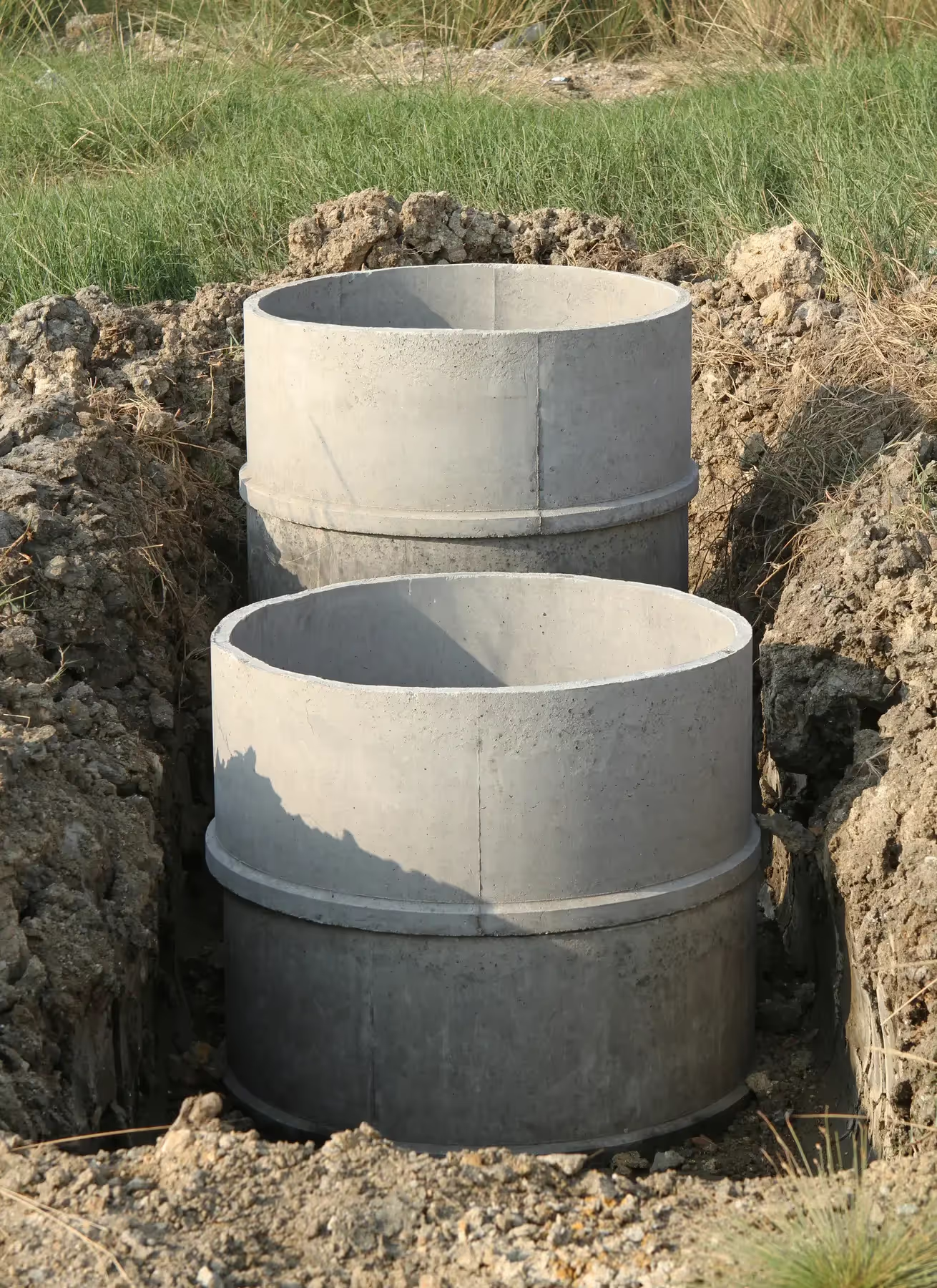

Every campus and industrial site eventually runs out of room above ground for cables. Power lines, data and telecom trunks, all need a path from a distribution point to wherever they're needed. There are plenty of benefits to run it underground:
- Protection from weather
- Prevention of accidental damage
- Remove visual clutter
- Overhead routing at scale becomes a maintenance and safety liability
This guide is specifically about dry services, power, data and telecom, not water conveyance, which is a separate discipline covered by stormwater drainage design.
Building a Duct Network From Existing Precast Elements
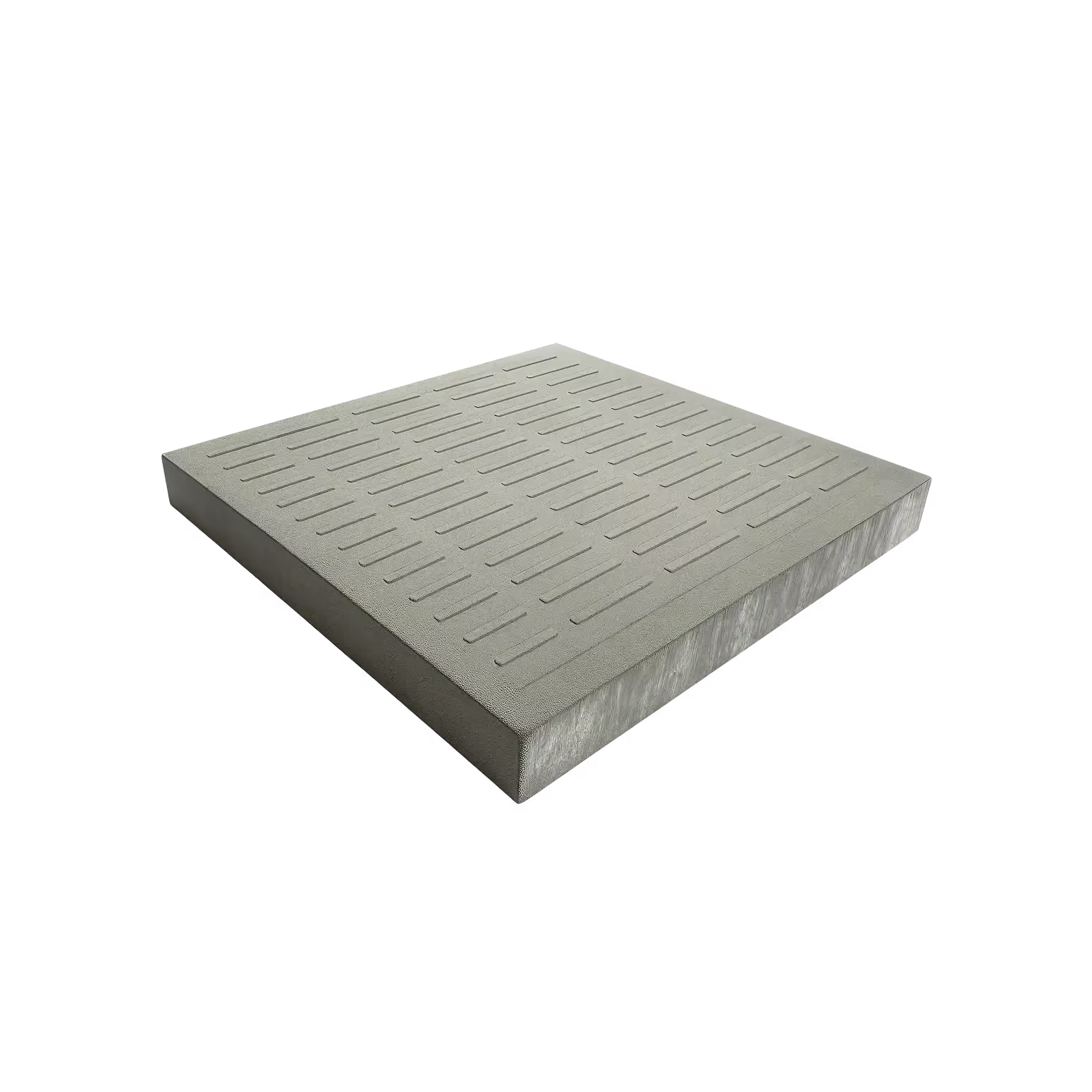
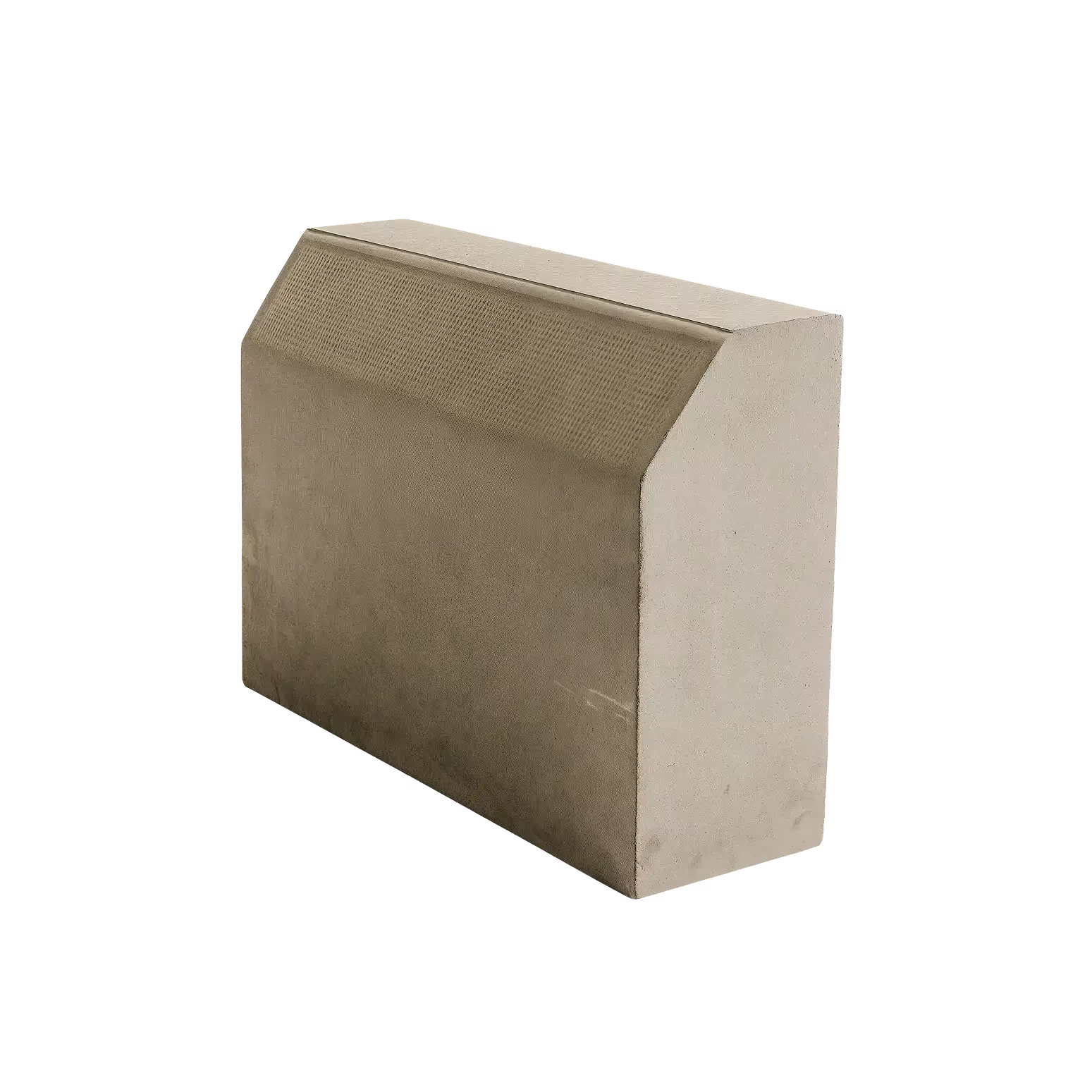
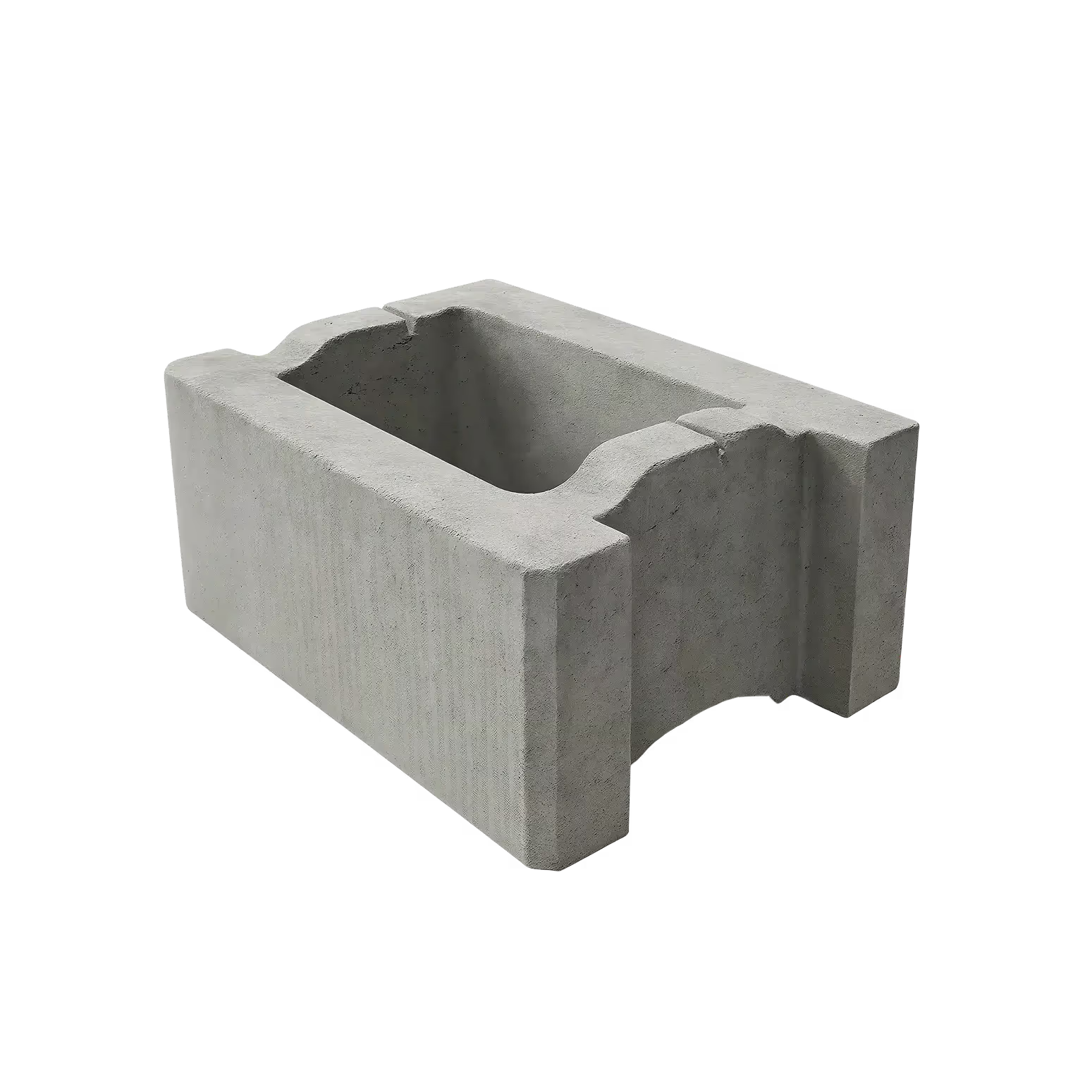
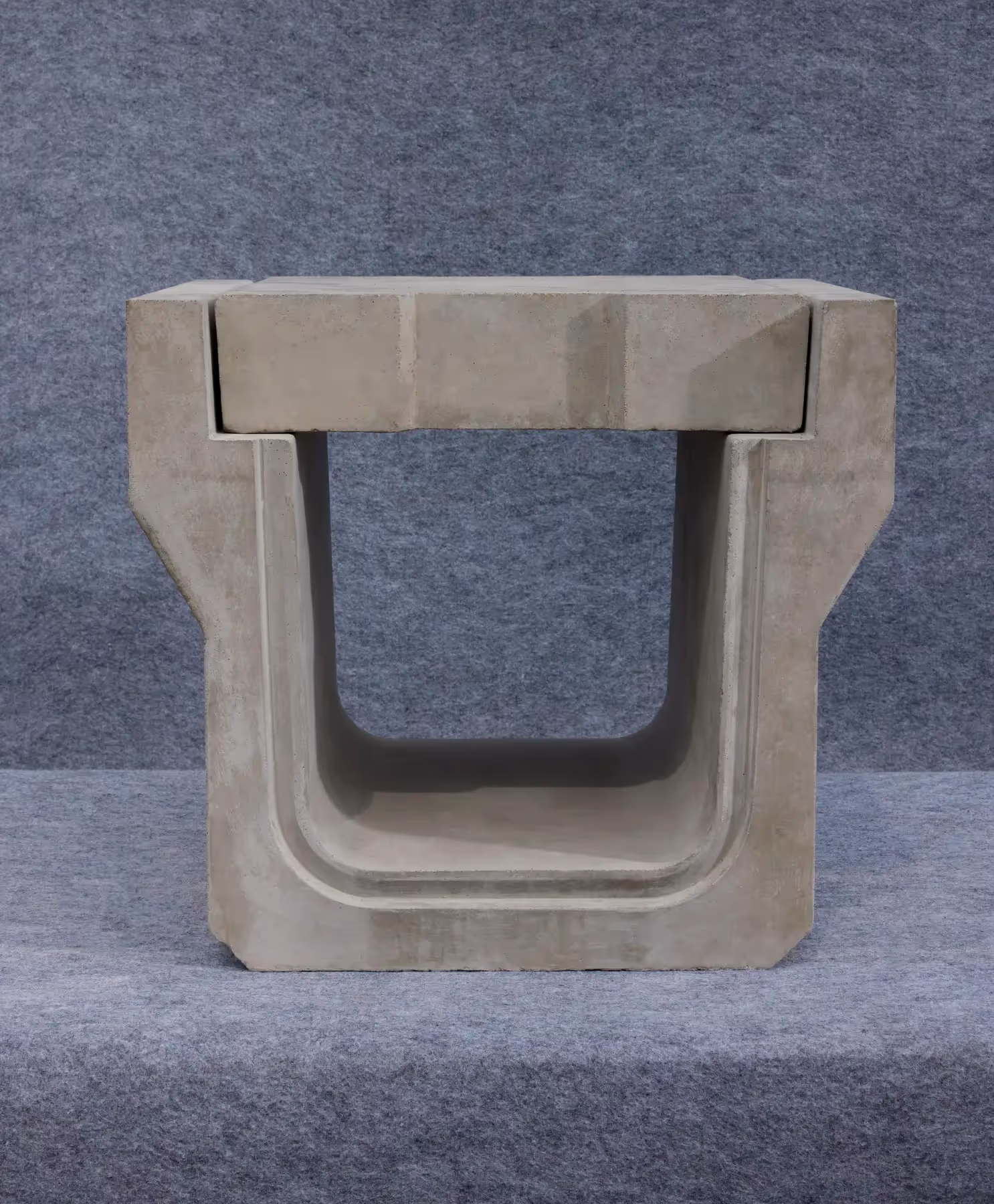
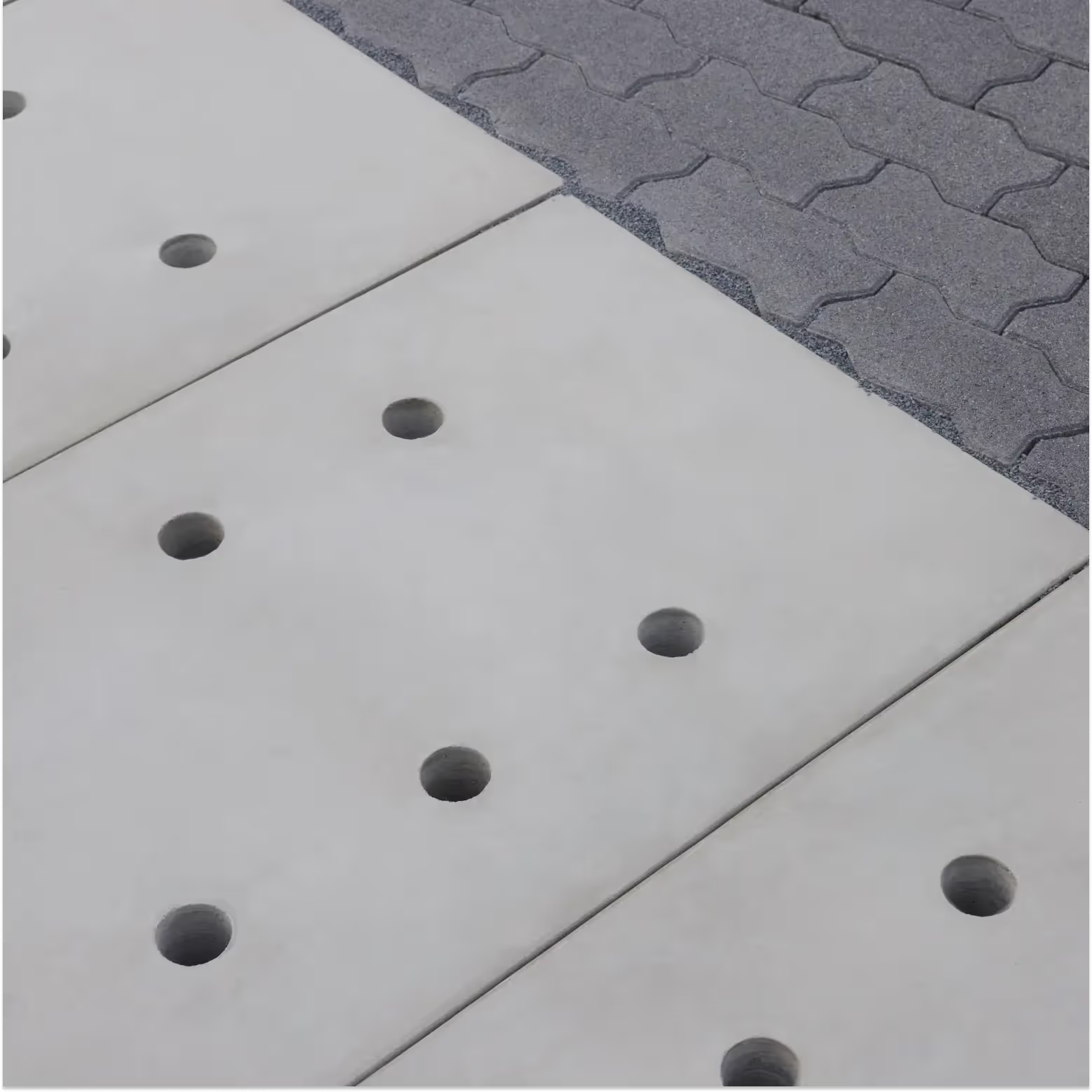
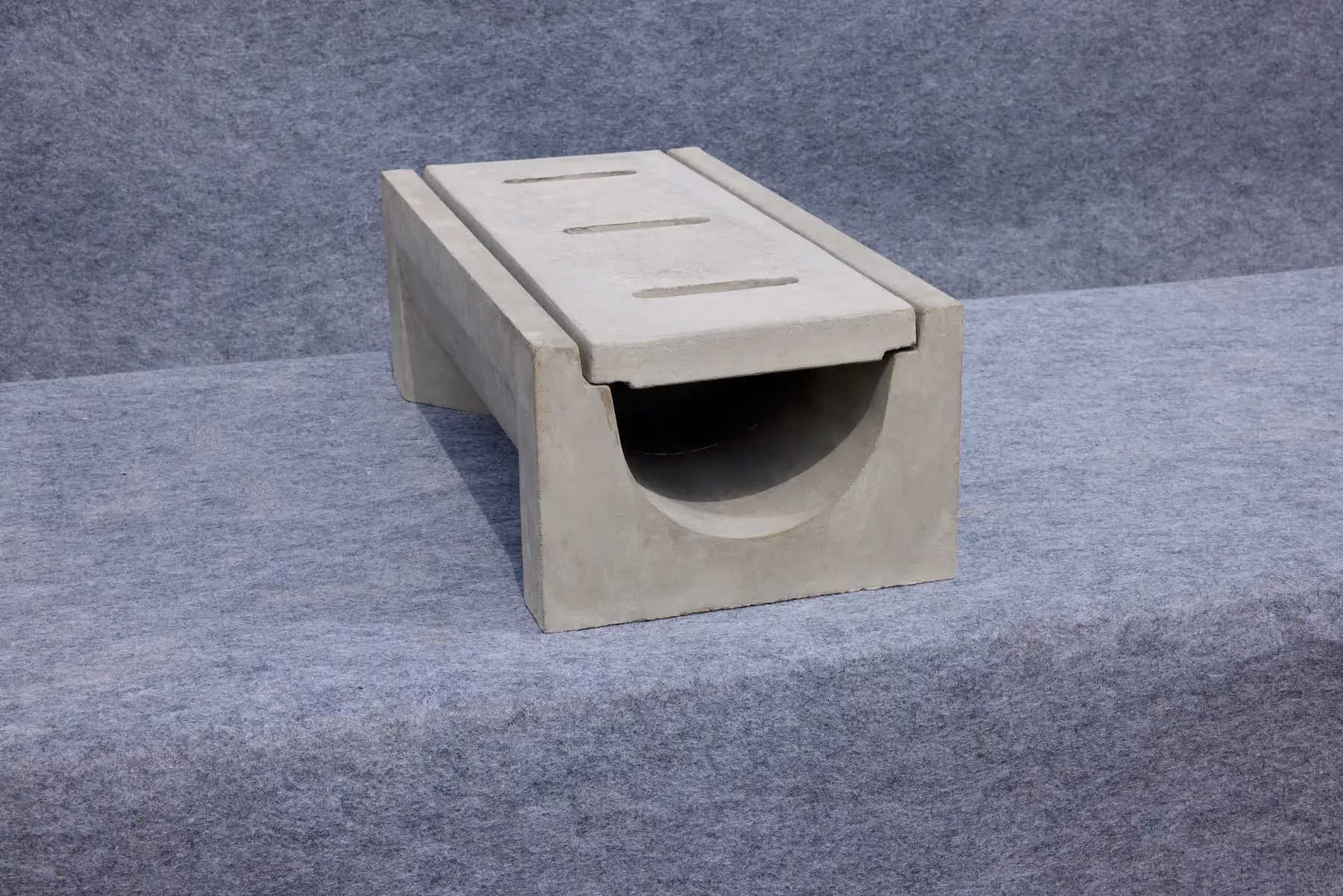
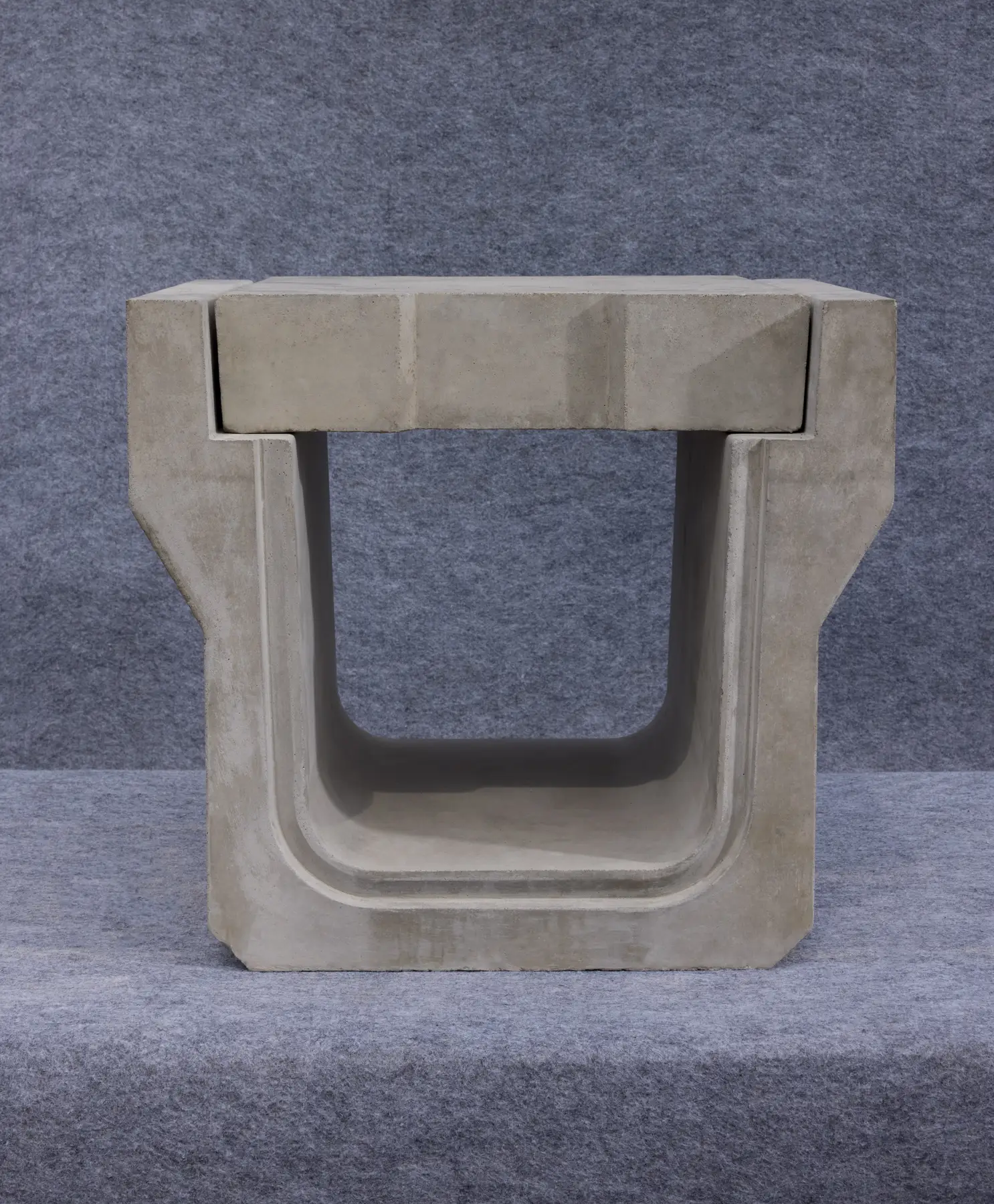
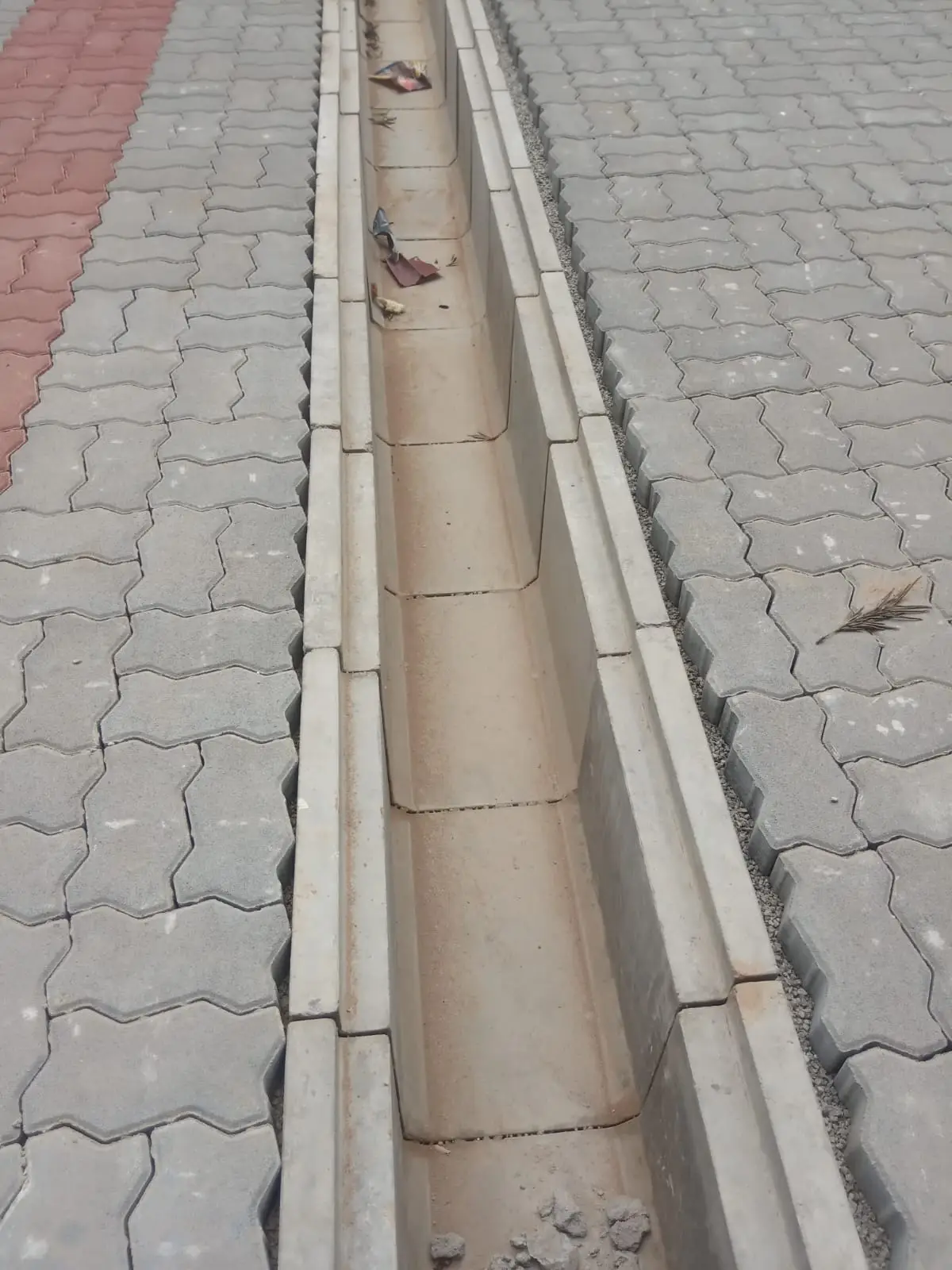
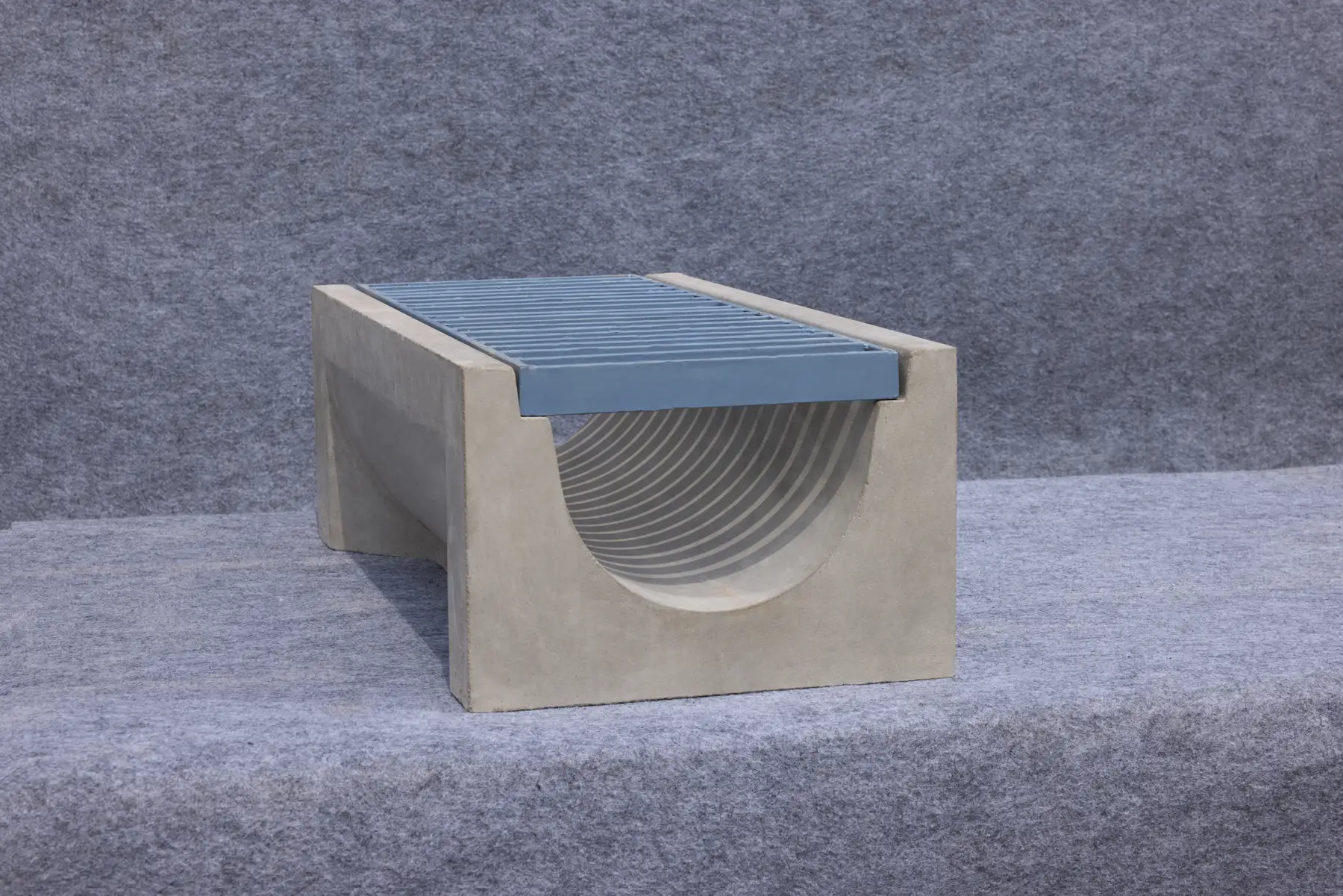
Basant Betons U-Shape drain is engineered to not only convey water, but to act as a duct for utility cabling. We switch from a drainage slab to a completely closed slab to keep the drain cavity dry and protected from the elements. These elements are well suited for cabling as:
- They have a T-25 load rating, this withstands heavy loads
- Specially engineered to run on road shoulders, which matches cable routes
- The covers can easily be removed and refitted to access the cabling for maintenance
- Multiple size availabilities to cater to different cabling requirements
Trench Depth: Getting the Basics Right
Trench depth for underground services isn't a single fixed number, it depends on the service being routed, the load above it, and local regulations, but a few principles apply generally:
- Deeper for higher-traffic areas. A duct beneath a road or heavy vehicle route needs to sit deeper than one beneath a landscaped area with no vehicle load, both for structural protection and to reduce the risk of future excavation damage.
- Separation between services. Power and data or telecom lines are typically routed with physical separation between them, both for safety (avoiding electromagnetic interference with data lines) and to allow independent access without disturbing other services.
- Consistent depth along a run, where practical, makes future tracing and maintenance considerably easier than a trench that varies in depth without documentation.
- Marker tape or warning layers above the duct but below finished grade are standard practice, giving any future excavation work a visual warning before equipment reaches the actual duct.
Applications on Campus and Industrial Sites
- Inter-building power and data trunk runs, connecting a central distribution point to multiple buildings across a large site
- Telecom and network infrastructure for campuses with distributed connectivity needs, data centres, universities, large corporate campuses
- Industrial facilities routing power to distributed equipment across a plant floor or yard, where overhead routing would obstruct machinery movement
- Streetlighting and site lighting circuits, a common lower-voltage application that still benefits from protected, accessible underground routing
Common Mistakes in Underground Utility Planning
Trenching reactively, connection by connection. The single most common inefficiency on campus and industrial sites is treating each new cable requirement as an isolated trenching job. Over years, this produces an undocumented, inconsistent network that's expensive to trace and easy to accidentally damage during unrelated site work.
Undersizing for future capacity. A duct sized exactly for today's cable count leaves no room for the additional connectivity nearly every campus or industrial site eventually needs. Sizing with reasonable future capacity in mind, even if it means specifying a marginally larger channel than current requirements strictly demand, avoids a second excavation a few years later.
Ignoring load rating on covers in areas that later see vehicle traffic. A cover specified for pedestrian load that later ends up under a service vehicle route, because site usage changed after the duct was installed, is a genuine structural risk. Where there's any reasonable chance a route could see vehicle traffic in the future, specifying for that load upfront costs little extra and avoids a serious problem later.
Frequently Asked Questions
What is a precast U-Drain duct used for?
A precast U-Drain can also be used to duct power cables, data or telecom cables underground, protecting them from weather, accidental damage and visual clutter across a site. On campuses and industrial sites, existing precast drainage elements like U-shape drains and drainage slab covers are commonly adapted for this purpose, rather than a dedicated single-purpose duct product.
How deep should a cable trench be laid?
Depth depends on the service type, the load expected above it, and local regulations, but general practice is deeper trenches beneath vehicle traffic and shallower ones beneath landscaped, low-disturbance areas. Consistent depth along a run and a marker layer above the duct are both standard good practice regardless of exact depth.
Can drainage slabs be used as trench covers?
Yes. A precast drainage slab, engineered to bear surface load while remaining removable, works effectively as a cable trench cover, giving future maintenance or additional cable pulls straightforward access without needing to break open a sealed trench.
Do power and data cables need separate trenches?
Typically yes, or at minimum physical separation within a shared trench. This protects data and telecom lines from electromagnetic interference generated by power cables, and allows access to one service without disturbing the other.
What's the difference between an open trench and an enclosed duct for cabling?
An open, coverable channel, like a U-shape drain profile with a removable cover, suits lower-disturbance areas with straightforward access needs. A fully enclosed duct bank offers more protection where the run crosses a road, heavy traffic area, or anywhere future excavation risk is higher.
Can a cable duct network be customised to a specific site layout?
Yes. Where routing needs don't match a standard drainage profile, bespoke precast elements can be engineered to the site's actual trench dimensions, cable count and load requirements, which is common on large or irregular campus layouts.
Planning underground service routing for a campus or industrial site works best when it's mapped across the whole site upfront, not trenched reactively over time. Browse our drainage and ducts range or bespoke precast options, or write to us at enquiry@basantbetons.com with your site layout and service requirements, and we'll help you plan the network.